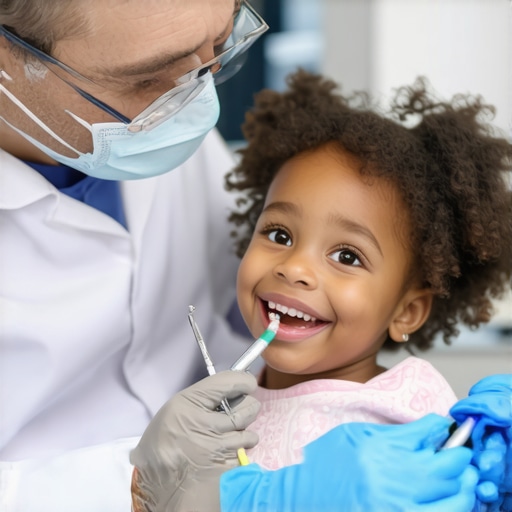
I remember the day vividly—my child’s eyes welled up with tears the moment we approached the dental office, clutching her favorite stuffed animal for dear life. The whir of the dental drill had become her biggest nightmare, turning a routine checkup into a battlefield of anxiety and tears. It hit me that I was missing something crucial—how to help her face her fears instead of succumbing to them. That lightbulb moment sparked my journey into understanding not just the child’s perspective but also effective ways for parents like you and me to be the helpful neighbor they need.
Why We Can’t Ignore Children’s Fear of Dental Procedures
Early experiences shape how children perceive dental care, and a traumatic encounter can set the tone for lifelong dental anxiety. The fear of the drill is often rooted in the unfamiliar, the loud noise, or previous discomfort—think of it as a primal response to a perceived threat. If left unaddressed, this anxiety can lead to future avoidance, worsening oral health, and even behavioral issues during dental visits.
Research shows that nearly 60% of children experience dental fear, which can contribute to poor oral hygiene habits due to avoidance behaviors. As parents, we might think that distraction or quick reassurance is enough, but based on my early mistakes—like dismissing her fears as irrational—I realize the importance of a strategic, compassionate approach.
So, what can we do today to turn the tide? How do we help our kids face the dental drill without turning every visit into a battle? That’s what I’ll share with you—drawing from expert tips and my personal experience—to make these visits calmer and more manageable.
Is the Fuss About Dental Anxiety Actually Worth the Hype?
Initially, I underestimated how deeply a child’s fear could run. My mistake was pressing for quick cooperation without acknowledging her feelings. Ignoring the emotional side of dental care is a common mistake; instead, understanding and patience pave the way for trust. If you’re tired of the tears and resistance, you’re not alone—and you’re about to discover proven strategies that can change your child’s dental journey for the better.
Let’s explore some practical steps that can help alleviate that terrifying fear, starting with creating a supportive environment that eases anxiety and building positive associations with dental visits. Are you ready to make a real difference in your child’s oral health—and their outlook on dentistry? Let’s dive in.
Create a Calm Dental Environment
Start by transforming the dental office into a friendly space. Use bright colors, friendly decor, and soft lighting to reduce intimidation. When I took my daughter for her first checkup, we arrived early to let her explore the reception area, which was filled with colorful posters and toys. This helped her associate the space with positive experiences rather than fear.
Use Age-Appropriate Explanations
Speak in simple, reassuring words suitable for your child’s age. Instead of saying, “The drill is loud and scary,” explain that the dentist will use special tools to keep her teeth healthy. I once showed my daughter a picture of the dentist’s mirror, comparing it to a fun magnifying glass, which made her giggle and intrigued her, easing her apprehension.
Introduce Play and Distraction Techniques
Incorporate distraction methods such as listening to favorite music through headphones or counting the bubbles in the air. During a visit, I brought along her favorite toy and played her favorite song softly through my phone, which diverted her attention from the procedure, making it smoother for both of us.
Practice Progressive Desensitization
Gradually acclimate your child by starting with simple visits focused on non-invasive procedures. Begin with just a tour of the dental office, then progress to sitting in the chair, and finally, to gentle examinations. This step-by-step approach builds trust. I remember taking my daughter for a mock visit, where she sat in the chair while we just talked to the dentist, setting a foundation of familiarity and confidence.
Empower Through Role Play and Books
Use books and role play to familiarize children with dental procedures. Reading stories about dental heroes who fight cavities can be motivating. I role-played as the dentist with my daughter, using her stuffed animals to demonstrate gentle brushing and checkups, which demystified the process and reduced her fear of being examined.
Manage Expectations and Offer Rewards
Set realistic expectations and reward bravery. Praise your child’s courage after each visit, perhaps with a sticker or a small treat. During her first few appointments, I kept a sticker chart, visibly marking her progress, which encouraged her to face future visits with more confidence.
Collaborate with Dental Professionals
Communicate your child’s fears with the dentist. Many dental offices now have child-friendly techniques or sedation options if needed. When I mentioned her anxiety to our dentist, they suggested using flavored numbing gels and a gentle approach, making subsequent visits less traumatic. It’s also important to maintain regular checkups—consistent visits help children become familiar with the routine and reduce anxiety, as discussed in family dentistry strategies [here](https://periodontistcare.com/family-dentistry-focus-building-a-lifetime-of-healthy-smiles). Keep the lines of communication open, and don’t hesitate to ask about specialized techniques or calming aids like noise-canceling headphones or audiovisual distractions, which can make a significant difference.When it comes to family dentistry, many believe that regular checkups and brushing are sufficient for maintaining oral health. However, a common misconception is that professional cleanings are simply cosmetic, rather than vital to preventing serious issues like periodontal disease. In fact, neglecting the deeper nuances of dental care can lead to overlooked problems, such as micro-leakage under crowns that can cause secondary decay if not properly managed. Experts warn that relying solely on at-home care without understanding the importance of professional evaluations might inadvertently compromise long-term dental stability, as discussed in [teeth cleaning secrets](https://periodontistcare.com/teeth-cleaning-secrets-effective-home-practices-for-family-dental-health).
A widespread myth is that dental restorations like crowns are permanent fixes. On the contrary, many people underestimate how crucial it is to follow specific maintenance routines, such as avoiding certain foods and regular checkups, to prolong their lifespan. For example, tiny cracks in crowns often go unnoticed but can develop into bigger problems, emphasizing the need for routine assessments. An advanced mistake is believing all crowns are equal; materials like zirconia offer more resistance to chipping, which is vital for longevity. Proper care is covered in [caring for crowns](https://periodontistcare.com/caring-for-crowns-essential-tips-for-longevity-and-shine), highlighting that diligent maintenance extends their functional and aesthetic life.
The role of oral health routines extends beyond mere brushing. Many overlook the significance of interdental cleaning tools, with some assuming flossing alone suffices. Yet, according to recent studies, neglecting methods like water flossers can leave behind plaque buildup, directly impacting gum health and overall wellness, as detailed in [oral health routine](https://periodontistcare.com/oral-health-routine-strengthening-your-smile-every-day). Proper teeth cleaning involves a combination of tools and techniques tailored to individual needs, which is particularly important in preventing issues that could influence systemic conditions like heart disease.
So, what about family-focused strategies? A common mistake is not integrating age-specific care tailored to children’s developing teeth. For instance, children’s dental needs evolve rapidly, and neglecting early interventions can lead to misaligned teeth or cavities. An advanced insight is that early orthodontic assessments can identify problems like crossbites before they become more complex, saving time and money down the line. For comprehensive guidance, exploring [family dentistry focus](https://periodontistcare.com/family-dentistry-focus-building-a-lifetime-of-healthy-smiles) provides valuable tips for nurturing a healthy smile across all ages.
Finally, many underestimate the impact of regular evaluations for underlying issues, such as micro-leaks under crowns or early signs of gum recession. These subtle indicators often precede more severe conditions, which makes routine professional assessments indispensable. If overlooked, such issues can escalate, leading to expensive restorative procedures or periodontal disease. Staying informed about these nuances ensures you and your family maintain optimal oral health.
Have you ever fallen into this trap? Let me know in the comments.Maintaining excellent oral health requires more than just regular brushing and flossing. Having the right tools can make a significant difference in ensuring your teeth and gums stay healthy over the long term. One of my top recommendations is investing in an **electric toothbrush with Bluetooth connectivity**, like the Oral-B Genius series. I personally use it because it provides real-time feedback on your brushing habits via a connected app, helping you target plaque and reach hard-to-clean areas. This technology encourages better technique and consistency, which are crucial for preventing decay and gum disease.
How do I maintain my dental tools over time?
To keep your electric toothbrush functioning optimally, replace the brush heads every three months and clean the handle regularly with a damp cloth. Also, avoid sharing toothbrushes to prevent cross-contamination. For manual brushes, choose soft-bristled options to prevent gum irritation, and replace them every two to three months or sooner if the bristles fray. Additionally, I incorporate a **water flosser**, such as the Waterpik Aquarius, into my daily routine. It effectively removes plaque between teeth and along the gumline, especially for those with crowns or braces. I find that water flossers are gentle yet thorough, reducing the risk of gum recession and micro-leakage under crowns. Regular use of these tools, combined with timely professional cleanings, contributes significantly to long-term oral health. Trend prediction indicates that smart dental devices will become even more integrated with personalized oral health monitoring, offering tailored advice and early detection of issues. To optimize your routine, try adding a **dental scaler** for plaque removal in hard-to-reach areas during your routine cleaning at home. Just ensure you’re trained in proper technique to avoid damaging your enamel or gums. For more detailed guidance, visit [expert advice on crowns and teeth cleaning](https://periodontistcare.com/expert-advice-on-crowns-and-teeth-cleaning-for-lasting-results). Keeping your dental tools in excellent condition and using them correctly is essential for sustained oral wellness. If you’re interested in developing a comprehensive maintenance routine, schedule a consultation with your dental professional today through [our contact page](https://periodontistcare.com/contact-us). Remember, a proactive approach with quality tools will help your smile last a lifetime.
What I Wish I Knew About Easing Dental Fears
My biggest lesson was realizing that acknowledging a child’s fears isn’t a sign of weakness but a step toward trust. Pushing for quick compliance only deepened her anxiety, making future visits even harder. Now, I know that patience and understanding can turn a traumatic experience into an empowering one, emphasizing the importance of emotional support during dental visits.
I learned that preparation is key—using stories, role play, and gentle explanations helps children feel control and safety. Overcoming my instinct to hurry through procedures taught me that a few extra minutes of empathy can lay the foundation for a lifetime of healthier, happier smiles.
Connecting with dental professionals who understand pediatric anxiety has been a game changer. Their techniques, like using flavored topical agents and distraction gadgets, complement our at-home strategies perfectly. This holistic approach has transformed our family’s dental experience from fear-based to friendly.
My Go-To Resources and Tools for Child Dental Care
- Dental Storybooks: Books like “The Berenstain Bears Visit the Dentist” offer relatable scenarios that demystify dental visits, making kids more receptive.
- Water Flossers: Devices such as the Waterpik Aquarius have been invaluable for gentle, effective cleaning, especially for children with braces or crowns, ensuring plaque doesn’t become a source of fear or pain.
- Expert Guides: The article “Expert advice on crowns and teeth cleaning for lasting results” provides essential insights for maintaining dental work, helping kids understand the importance of proper care and instilling good habits early.
- Family Dentistry Resources: The focus on building a lifetime of healthy smiles at family dentistry offers tailored strategies for all ages, making it easier to navigate their evolving needs.
Your Bright Smile Starts Here—Take Action Today
Every effort you make now in easing your child’s dental fears sets the stage for a future free of anxiety and oral health issues. Remember, patience, preparation, and professional support are your allies in this journey. Your child’s comfort and confidence are worth every step, so start today and watch how their smile transforms into a source of pride and joy.
Have you found effective ways to make dental visits less daunting for your child? Share your experiences below—I’d love to hear what worked for your family!