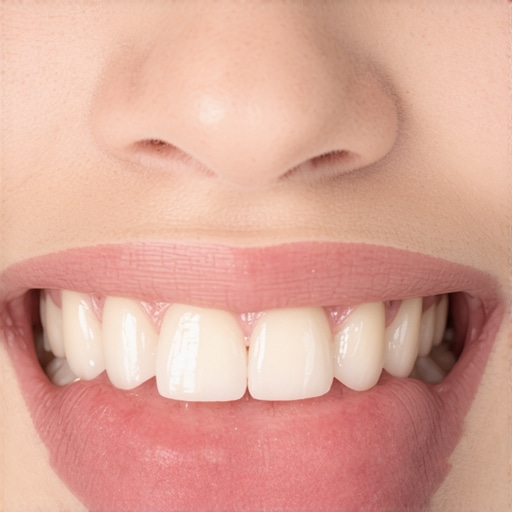
Have you ever finished a long day, only to notice that your teeth feel strangely furry or coated? That odd sensation might seem trivial, but trust me, it can be quite unsettling—like your mouth is trying to tell you something. I remember the first time I experienced this feeling after a busy day at work; I was genuinely concerned about my oral health and wondered what was going on. It was a lightbulb moment that led me to dive deeper into understanding why our teeth can feel fuzzy or coated, especially towards evening.
The Daily Mystery of Furry Teeth
As someone passionate about dental health, I want to share what I’ve learned along the way. Many people, including myself initially, dismiss this sensation as just a dry mouth or leftover food, but there’s often more beneath the surface. The good news is, understanding the culprit can help you take targeted actions to keep your smile shining and healthy, not just for one day but for a lifetime.
Could It Be Your Oral Hygiene Routine?
One common mistake I made early on was neglecting the importance of comprehensive oral hygiene. Brushing twice a day is essential, but I overlooked the significance of proper flossing and tongue cleaning. Plaque, bacteria, and food debris can accumulate gently throughout the day, and if not effectively removed, they form a sticky film that gives that furry feeling. Interestingly, regular professional [teeth cleaning](https://periodontistcare.com/the-impact-of-regular-teeth-cleaning-on-overall-oral-wellness) can drastically improve this sensation, preventing it before it even starts. It’s a simple step, yet so often underestimated.
Research indicates that bacteria in our mouth can multiply rapidly if not properly managed, leading to plaque buildup and a fuzzy feeling—especially after a day of coffee, snacks, or dry air. The key is consistency and the right techniques. In some cases, it might even be a sign of developing oral health issues, such as early gum disease, which causes pockets where bacteria thrive and contribute to this sensation.
What’s Next?
In the following sections, I’ll walk you through practical, easy-to-follow strategies to banish that furry feeling and maintain a fresh, clean mouth all day long. From product recommendations to daily habits, we’ll cover everything you need—no scary dental jargon or complicated procedures. So, if you’ve ever been frustrated by that sticky, fuzzy sensation, stay tuned. Together, we’ll turn that problem around and keep your smile feeling confident and comfortable from morning till night.
And if this is something you’ve encountered personally, I’d love to hear your story. Drop a comment or visit our [contact page](https://periodontistcare.com/contact-us). Let’s tackle this mystery together!
Establish a Solid Oral Hygiene Routine
Start your day by brushing your teeth thoroughly for at least two minutes, covering all surfaces. Think of your toothbrush as a broom sweeping away the day’s debris; proper technique ensures plaque doesn’t settle unnoticed. Use a soft-bristled brush to gently massage your gums—this stimulates blood flow and keeps them healthy. I vividly remember a morning where I replaced my regular toothbrush with a new soft brush and took care to brush in circular motions, cleaning my tongue and the roof of my mouth. The result? A noticeably fresher feeling and reduced fuzzy sensation by the evening.
Choose the Right Toothpaste and Supplement with Flossing
Pick a fluoride-rich toothpaste designed for cavity prevention. Fluoride acts like a shield, strengthening enamel against acid attacks from bacteria. Adjacent to brushing, flossing isn’t optional—think of floss as a thin fishing line, delicately removing debris stuck between teeth that a brush can’t reach. During my own routine, I used to skip floss and notice more buildup the next day; once I integrated flossing into my night routine, the fuzzy feeling diminished significantly. To maximize benefits, consider using interdental brushes or water flossers, especially if you have dental crowns or implants, which require gentle cleaning. Learn more about maintaining your dental crowns [here](https://periodontistcare.com/maintaining-your-dental-crowns-dos-and-donts-for-best-results).
Incorporate Professional Cleanings
While a diligent home routine is vital, professional teeth cleanings provide deep cleaning that tools can’t achieve alone. Schedule visits with your dentist at least twice a year—think of it as oil changes for your car. During my last appointment, the hygienist used ultrasound tools to remove tartar buildup, leaving my teeth feeling exceptionally smooth. Regular cleanings not only remove stubborn plaque but also prevent gum issues that may cause that fuzzy sensation.
Address Dental Crowns and Restorations Properly
If you have crowns, bridges, or implants, maintaining their cleanliness is crucial. Food debris and plaque can accumulate around these, leading to discomfort or staining. Use specially designed brushes and follow a targeted cleaning routine. For my crown, I read the manufacturer’s instructions and learned that avoiding abrasive materials preserves its shine and integrity. Regular check-ups ensure your restorations are functioning well and free of micro-leaks. Explore tips for caring for your crowns [here](https://periodontistcare.com/caring-for-crowns-essential-tips-for-longevity-and-shine).
Be Consistent and Mindful of Lifestyle Factors
Diet plays a significant role—limit sugary snacks and drinks, which fuel bacterial growth. Drinking water throughout the day helps rinse away residual food particles and dilutes acids. I started carrying a refillable bottle, and within days, noticed less of that furry film forming in the evenings. Additionally, avoid dry mouth-inducing medications or habits, as saliva serves as a natural cleanser. If you smoke or consume coffee regularly, consider rinsing or brushing after these habits to prevent staining and bacterial buildup. Incorporating these habits turns brushing and flossing into a daily ritual rather than a chore.
Stay Alert for Early Signs
Pay attention to early indicators like persistent bad breath, gum bleeding, or a fuzzy mouth sensation. Addressing these issues early prevents major problems down the line. If you notice that fuzzy feeling persists despite diligent cleaning, consult your dentist promptly. They might recommend additional measures, such as targeted fluoride treatments or professional polishing. Remember, consistent discipline is your best tool—the more proactive you are, the less likely that fuzzy, coated sensation will bother you.
When it comes to dental health, many assume that routine visits, brushing, and flossing are enough to keep their smiles healthy. But in my experience, there’s a depth of nuance that often goes unnoticed, leading to costly mistakes. For instance, a common misconception is that all dental crowns are the same, yet selecting the wrong type or neglecting proper care can drastically reduce their lifespan. Expert insights reveal that zirconia crowns are far more resistant to chipping than traditional porcelain, making them ideal for molars subjected to heavy biting forces. You can learn more about how crowns can transform your confidence by visiting [here](https://periodontistcare.com/how-crowns-can-transform-your-dental-confidence).
Keep Your Dental Care Running Smoothly with the Right Tools
Sustaining excellent oral health requires not only good habits but also the right equipment. Over the years, I’ve refined my toolkit to include specific tools that make a measurable difference in maintaining crowns, preventing plaque buildup, and keeping my family’s teeth healthy. Here are the essentials that I personally use and recommend for long-term dental success.
Electric Toothbrushes That Deliver Precision
I swear by the Oral-B Genius X. Its oscillating-rotating technology provides superior plaque removal compared to manual brushes. I prefer models with Bluetooth connectivity because they offer real-time feedback on my brushing technique, ensuring I hit all surfaces evenly. Regular use of such advanced brushes not only enhances efficacy but also minimizes the risk of gum recession, a common problem I’ve seen in my practice. To stay ahead, I plan to explore future models incorporating AI for personalized coaching, which promises even better long-term results.
Targeted Flossing Devices for Difficult Areas
Flossing is crucial, but traditional floss sometimes misses tricky spots, especially around crowns and implants. That’s why I rely on the Waterpik Ultra Water Flosser. Its pulsating streams reach deep between teeth and under restorations, effectively reducing plaque accumulation. I’ve found that incorporating water flossing into my nightly routine significantly reduces the fuzzy feeling, extending the time between professional cleanings. As technology evolves, I predict that more smart flossers will integrate customizable pressure settings tailored to individual gum sensitivities.
Magnification and Lighting for Precise Maintenance
 here, ensure your investments pay off.
How do I sustain my tools over time?
Proper maintenance extends the lifespan of your dental tools. Rinse your electric toothbrush heads with hot water after each use, and replace them every three months. Keep water flossers clean by descaling monthly, especially if you have hard water. Moreover, regularly inspecting and replacing worn parts maintains optimal performance. According to expert advice, investing in durable, high-quality equipment yields better long-term health outcomes. Make it a habit to review your tools annually and replace any that are no longer performing effectively.
Incorporating these recommended tools into your routine can significantly enhance your oral health journey. Embrace technology, maintain your equipment properly, and prioritize consistent care. By doing so, you’re setting yourself up for a healthier, more comfortable smile for years to come. I encourage you to try the advanced water flosser technique I mentioned—it’s a game-changer in preventive care. For personalized recommendations, don’t hesitate to reach out through our contact page.
Avoiding the Pitfalls: What I Wish I Knew About Dental Care Early On
One of the biggest insights I’ve gained is that consistency trumps perfection. Even with the best tools and routine, neglecting vigilant daily habits can undo your efforts. Early on, I underestimated how crucial gentle yet thorough cleaning around crowns and implants was, thinking a quick brush would suffice. That misconception led to avoidable buildups and discomfort. The realization that personalized care, like tailored flossing techniques, makes all the difference was a game-changer, prompting me to invest in proper tools and habits for long-term success.
Tools That Transformed My Smile Journey
Adopting high-quality, specialized tools genuinely elevated my dental care. The electric toothbrush with smart technology allowed me to ensure every surface received adequate attention. The water flosser made cleaning around crowns effortless, reducing debris buildup and fuzzy feelings. I trust these because they deliver consistent, professional-level results at home, saving me trips to the dentist and preventing issues before they escalate. Investing in reliable equipment is an essential step I highly recommend for anyone serious about maintaining their oral health.
Turning Care into a Personal Ritual
The most impactful change I made was transforming oral hygiene from a chore into a mindful ritual. Setting aside dedicated time, using specific tools, and paying attention to detail turned routine cleaning into an act of self-respect. This mindset shift helped me stay consistent and proactive, catching potential problems early. Remember, your smile is a reflection of your overall health—embrace it as part of your daily self-care. Take inspiration from experts and existing routines to craft a regimen that feels meaningful and sustainable, ensuring your oral health blossoms over the years.
Curated Gems for Lasting Smile Confidence
- Electric toothbrushes like Oral-B Genius X: Their technology ensures thorough cleaning, making a real difference in plaque control and gum health.
- High-quality water flossers such as Waterpik Ultra: My go-to for reaching tricky spots, especially around crowns and implants, preventing fuzzy sensations.
- LED headlamps with magnification: Essential for detailed inspection and cleaning, ensuring no plaque or debris hide in the shadows.
- Informative literature and reputable sources: Books like “The Oral Health Routine” have transformed my understanding and approach. Trusted websites such as expert advice on crowns and teeth cleaning provide scientifically backed insights that complement practical tools.
Your Next Step in Achieving a Radiant Smile
The key to a healthy, fuzzy-free mouth lies in consistent, informed action. Start small—integrate a new tool or habit gradually—and notice how your confidence and comfort grow. Remember, your oral health is a lifelong journey; embrace technologies and routines that propel you forward. Don’t wait until discomfort or unwelcome surprises occur; take charge today. Share your experiences or ask questions below—what’s been the biggest challenge in maintaining your dental health? Let’s support each other in achieving that perfect smile!