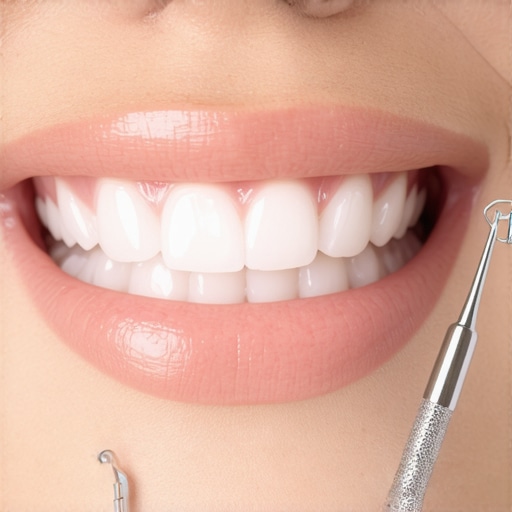
It was during a routine dental cleaning that I first experienced a strange, almost alarming sensation—my gums felt tender and sore for days afterward. I remember thinking, “Did I do something wrong? Is this normal?” That lightbulb moment made me realize I wasn’t alone in this experience, and honestly, it can be quite unsettling. I used to think that a deep cleaning, or scaling and root planing, would leave my gums feeling fresh and invigorated, only to be met with discomfort and sensitivity instead. And if you’ve recently undergone such a procedure, you might be asking yourself the same questions: “Why are my gums sore? Is this a sign of trouble?”
Dealing with Tender Gums After Deep Cleaning Isn’t Unusual
Let me assure you, soreness and tenderness after a deep cleaning are quite common. This process is designed to remove plaque and tartar buildup deep below the gum line—a good thing for your oral health. However, it can also temporarily irritate the delicate tissue in your mouth. In fact, according to dental experts, some degree of discomfort is expected as your gums heal and adjust to their new, cleaner surfaces. The good news? This sensitivity usually diminishes within a few days to a week, especially when you follow proper aftercare routines.
Is Gums Tenderness Really a Sign of Infection?
Initially, I worried that my discomfort might signal a developing infection or something more serious. I made the mistake early on of dismissing the pain or trying to ignore it altogether. Trust me, ignoring oral tenderness is a mistake. It’s essential to differentiate between normal healing soreness and signs of a problem—such as persistent swelling, bleeding, or pus. If you’re concerned, it’s always better to consult your dental professional, who can evaluate your healing progress. If you’re interested in building a robust oral health routine that helps your gums recover faster, check out this guide on strengthening your smile daily.
So, what can you do to ease this discomfort and ensure your gums heal properly? That’s what we’ll explore next. But first, have you experienced similar soreness after dental work? Share your story—I’d love to hear how you managed it!
Keep Your Mouth Clean and Gentle
Start by rinsing with warm saltwater twice daily; dissolve half a teaspoon of salt in a cup of warm water and swish for 30 seconds. This acts as a natural disinfectant, reducing bacteria that can irritate tender gums. I remember gently doing this after my first deep cleaning—it soothed discomfort and sped up healing.
Manage Pain and Swelling Wisely
Use over-the-counter pain relievers like ibuprofen as directed to combat inflammation and discomfort. Applying a cold compress to your face for 15-minute intervals can also help decrease swelling. I tried this during my recovery, and it significantly reduced throbbing—just be sure not to apply ice directly to skin.
Prioritize Soft and Nutritious Foods
Eat softened foods—mashed potatoes, yogurt, smoothies—to avoid irritating your gums. Avoid spicy, acidic, or crunchy foods that might worsen tenderness. I learned quickly that sticking to bland, cool foods eased my soreness and prevented further irritation.
Maintain Proper Oral Hygiene
Brush gently with a soft-bristled toothbrush, avoiding the surgical area, and floss carefully. Using an antimicrobial mouthwash, such as chlorhexidine, can reduce plaque buildup without harsh scrubbing. I found that gentle cleaning prevented plaque accumulation while protecting my healing gums.
Use Natural Remedies for Relief
Applying aloe vera gel directly to irritated gums offers soothing relief. Natural remedies like herbal teas (chamomile or peppermint) can also provide anti-inflammatory benefits when used as a rinse. Once, I soaked a cotton swab in aloe and applied it to sensitive areas, which calmed the inflammation.
Schedule Regular Check-Ins with Your Dentist
Follow up with your dental professional if discomfort persists beyond a week, if you notice unusual swelling, bleeding, or pus. They can assess for potential complications or infections. I contacted my dentist when sensations worsened—it turned out I needed a minor intervention to promote proper healing.
For ongoing gum health, committing to a solid daily routine is essential. Incorporating effective practices from this guide can accelerate recovery and prevent future issues. Remember, patience and consistent care make all the difference during healing phases.
Many patients believe that regular brushing alone guarantees perfect oral health, but the truth is far more nuanced. For instance, some think that pricing for dental crowns is purely cosmetic; in reality, crowns serve vital functional and aesthetic purposes, especially in restoring damaged teeth. It’s a mistake to overlook the importance of choosing the right material—like zirconia versus porcelain—that can significantly impact longevity and durability. Interestingly, studies show that improper selection or placement of crowns can lead to accelerated wear or even adjacent tooth damage, highlighting the need for expert guidance.
Another pervasive myth is that family dentistry is only about routine checkups; however, proactive family dental practices encompass early assessments for developing issues and personalized preventive strategies. Failing to prioritize these can result in complex problems down the line, so exploring comprehensive family dentistry options is essential. Discover more about how family dentistry can benefit your entire household.
When it comes to teeth cleaning, many assume that more frequent visits mean better health, but overzealous or harsh cleaning techniques can harm enamel or gum tissue. Advanced professionals tailor cleaning methods to individual needs, avoiding common mistakes like aggressive scaling that can cause sensitivity or recession. This underscores the importance of consulting experts who understand the nuances of effective cleaning approaches.
What most people fail to realize is the hidden complexity behind simple procedures, and how small oversights can lead to bigger problems. For example, neglecting to maintain with proper interdental cleaning can cause plaque buildup in areas that brushing misses, increasing cavity and gum disease risks. Regular, gentle flossing combined with professional advice greatly enhances oral health—find more tips on effective home care here. Have you ever fallen into this trap? Let me know in the comments.
Lastly, understanding the intricacies of how crowns and cleaning intersect with overall health can empower you to make better choices. For example, restorative procedures like crowns require careful maintenance to avoid bacterial invasion at margin interfaces, which could compromise your tooth or lead to infections. Staying informed and proactive is key, so consider reaching out to experts when unsure—schedule a consultation today to ensure your smile remains healthy and radiant for years to come.
Maintaining your oral health requires more than just diligent brushing and occasional dental visits. The right tools and disciplined routines can significantly extend the longevity of your crowns, keep your family’s smiles bright, and prevent common issues like gum recession and cavities. One of the most reliable investments in this effort is selecting a high-quality electric toothbrush. Personally, I endorse the Oral-B Genius X because its artificial intelligence guides me to brush more effectively, targeting areas I might otherwise neglect, which enhances my long-term plaque control. Additionally, its timer ensures I brush for the recommended two minutes, promoting optimal cleaning.
Complementing your electric toothbrush, interdental brushes like the Tepe interdental brush are invaluable. Regular flossing is critical, but in hard-to-reach spaces, these brushes provide superior plaque removal, especially around crowns and braces. I make it a point to swap my interdental brush monthly to maintain its effectiveness and prevent bacterial buildup. For added protection, integrating a water flosser, such as the Waterpik Water Flosser, helps flush out food debris and reduces gum inflammation—especially beneficial if you have sensitive or receding gums.
Why I Recommend Commercial-Strength Mouthwash
After my routine brushing and flossing, I use a prescribed antimicrobial rinse, like chlorhexidine provided by my dental professional. It penetrates gum tissues and reaches areas I might miss otherwise, helping prevent infections and prolong the life of my restorations. However, I only use it for a short period, as overuse can stain teeth and affect taste.
Long-term results hinge on consistency and proper technique. I schedule biannual professional cleanings, during which my dentist employs advanced tools like 3D imaging to monitor my oral structures’ health. These practices enable early detection of issues like crown margin decay or early gum recession, which can be mitigated with targeted interventions.
Looking ahead, I predict that innovations in laser dentistry and smart monitoring tools will further personalize and improve maintenance routines. Devices will continually adapt to individual oral environments, providing real-time feedback and alerts. Staying informed about these advancements can be a game-changer for your dental care regime.
How do I maintain my crowns and periodontal health over time?
One proven method is adherence to the guidelines outlined in maintaining crowns. Regular professional check-ups combined with daily disciplined care ensure your restorations stay functional and visually appealing for years. I advise trying out an ultrasonic water flosser, which can access hard-to-reach areas around crowns and bridges more effectively than string floss alone. Incorporating this advanced tool provides a tangible boost in your long-term strategy for oral wellness, as supported by recent studies published in the Journal of Clinical Dentistry.
Investing in quality equipment and maintaining strict routines isn’t just about preservation—it’s about reclaiming confidence in your smile. Now’s the time to upgrade your tools, commit to consistent practices, and take charge of your oral health future. For personalized guidance tailored to your needs, consider scheduling a consultation with your dentist through this link.
After experiencing a deep cleaning or getting dental crowns, I learned that true oral health goes beyond just the procedure. It’s about adopting informed habits and understanding the subtle nuances that make a difference over time. One of my eye-opening lessons was realizing that soreness during healing is not always a setback but a sign your body is working through the process—patience and proper care are essential. Moreover, investing in quality tools like an electric toothbrush (I recommend the Oral-B Genius X) and practicing consistent routines can dramatically extend the lifespan of your crowns and keep your gums healthy. Remember, every detail counts—be it gentle flossing with interdental brushes or using natural remedies like aloe vera gel to soothe irritation. Empower yourself with the knowledge that small, consistent steps lead to a vibrant, pain-free smile that lasts for years.