
It hit me one morning—the way my teeth felt was different. Not painful, exactly, but a strange looseness that made me pause in front of the mirror. I remember thinking, “Is this normal?” My mind raced, recalling vaguely that hormones could affect oral health, but I didn’t realize how common or concerning this could be for pregnant women. That lightbulb moment sparked my journey to understand what’s happening inside my smile during pregnancy and how to navigate it.
Understanding Pregnancy and Tooth Stability
Many women experience changes in their oral health during pregnancy, with some noticing their teeth feeling more mobile than usual. Hormonal fluctuations, especially increased levels of progesterone and estrogen, can influence the gum tissues and the supporting structures around teeth. These changes can lead to increased blood flow and gum swelling, sometimes making teeth feel slightly loose. While this might sound alarming, it’s often a temporary situation if managed properly.
Have you ever wondered if this sensation is something to worry about? You’re not alone. Early in my pregnancy, I made the mistake of ignoring the mild looseness, brushing it off as normal. But that oversight only made me more anxious when the feeling persisted. Trust me when I say, understanding the reason behind this can help you feel more in control and prevent unnecessary worry.
Research confirms that pregnancy-related hormonal shifts can temporarily loosen periodontal ligaments, which are responsible for holding teeth firmly in place. Knowing the difference between normal changes and warning signs is crucial. For a comprehensive approach to maintaining your oral health during pregnancy, check out the impact of regular teeth cleaning.
In the next sections, I’ll share practical strategies to protect your teeth and keep that loose feeling at bay. So, if you’ve ever felt anxious or frustrated about this temporary wobble, stay tuned—help is on the way.
Prioritize Professional Cleanings for Lasting Health
Start by scheduling a professional cleaning with your dentist to remove plaque and tartar that brushing alone cannot handle. These cleanings not only maintain oral health but also reduce inflammation that hormonal changes can exacerbate. During my second trimester, I visited my dentist for a deep cleaning, which significantly improved my gum health and reduced sensitivity. Regular visits, such as those detailed in the impact of regular teeth cleaning, are key to sustaining this benefit.
Establish a Consistent, Effective Home Care Routine
Adopt a daily routine incorporating brushing twice and flossing once, but do so with proper technique akin to cleaning delicate fabric—gentle yet thorough. Use a soft-bristled brush to avoid unnecessary gum trauma. When I first attempted to clean more gently, I found my gums bled less, and my teeth felt cleaner. For tips on effective home practices, see teeth cleaning secrets for family dental health. Making this a daily habit fortifies your defenses against pregnancy-related oral issues.
Choose the Right Dental Products for Sensitive Gums
Select toothpaste formulated for sensitive teeth and gums to minimize irritation. I swapped to a mild, fluoride-rich toothpaste recommended by my dentist, which helped me avoid discomfort during brushing. This small change, supported by advice in oral health routine tips, can make a crucial difference in maintaining comfort and cleanliness.
Incorporate Worm-Friendly Dietary Habits
Limit sugary and acidic foods that can weaken enamel and promote decay. Instead, opt for crunchy vegetables, dairy, and water—like me, when I started snacking on celery sticks with yogurt, my teeth felt stronger and cleaner. Proper nutrition supports overall oral integrity, reducing sensitivity and loose teeth sensations. For comprehensive dietary advice, visit family oral health tips.
Use Specialized Tools for Gentle Care
Consider tools such as interdental brushes or rubber-tipped gum stimulators to gently clean hard-to-reach areas without traumatizing gums. During my routine, I introduced a silicone interdental brush, which effectively cleaned between my teeth, preventing plaque buildup that hormonal shifts can cause. This practice aligns with effective cleaning methods outlined at home cleaning practices.
Monitor and Recognize Warning Signs
Stay alert for persistent symptoms like bleeding, swelling, or increased looseness. These signs may indicate inflammation or periodontal issues requiring prompt professional attention. I learned to pay close attention to my gums’ response after every cleaning or brushing session, which helped me catch issues early. For more on managing indicators, see gums irritation management.
Schedule Regular Dental Check-Ups
Maintain consistent dental visits, ideally every three to six months, to monitor your oral health status during pregnancy. These check-ups allow the dentist to early detect problems like loose teeth or gum disease before they worsen. During my pregnancy, adhering to scheduled appointments kept me confident that my smile remained stable and healthy. Learn about the importance of routine in family dentistry.
Many individuals assume that maintaining good oral hygiene is straightforward: brush twice daily, floss regularly, and visit the dentist periodically. However, beneath these basic practices lie common misconceptions and advanced pitfalls that can undermine your dental health. Let’s dig deeper to uncover the nuances that often go unnoticed and how you can avoid expensive mistakes.
Are All Dental Cleanings Created Equal?
Contrary to popular belief, not all professional teeth cleanings provide the same level of benefit. Many think that semi-annual visits are sufficient for everyone, but recent research emphasizes personalized care. For instance, individuals with specific risk factors for gum disease or decay may need more frequent cleanings tailored to their unique needs. Additionally, the technique employed during cleaning—such as the use of ultrasonic scalers versus hand scaling—can impact the effectiveness, especially in removing stubborn calculus that contributes to periodontal issues. For optimal results, discuss your specific risk factors with your dentist, and consider scheduling cleanings based on personalized recommendations, which is covered extensively at this resource.
Beware of the Overconfidence in Home Care
Many assume that brushing and flossing are universally effective without considering quality and technique. Using a soft-bristled brush with proper motion, for example, is vital. Aggressive brushing can cause gum recession and enamel wear, while too gentle a brush may leave plaque behind. Moreover, neglecting interdental cleaning tools like rubber-tipped stimulators or interdental brushes can result in overlooked plaque accumulation. An often-missed nuance is the importance of regular tool replacement; worn-out brushes and floss lose efficacy quickly. Remember, effective home care combines proper technique, quality tools, and consistent routine. For advanced tips on home practices, see this guide.
Family Dentistry: More Than Just Routine Checks
Many individuals underestimate the advanced role of family dentistry. It’s not only about routine cleanings but also about identifying early signs of complex conditions such as bite issues, bruxism, or early decay in children. For example, children can develop habits that impact future dental health, like thumb-sucking or tongue thrusting, which need early intervention. Moreover, family dentists often provide custom solutions like sealants or space maintainers to prevent future problems. Engaging with a family dentist who understands these nuances can save you from invasive procedures later. To explore how family dentistry can truly safeguard lifelong oral health, visit this resource.
Common Myth About Crowns That Could Cost You
A prevalent misconception is that crowns are permanent and require no special care once placed. In reality, crowns, especially porcelain or zirconia, can last decades when properly maintained, but neglecting routine care can lead to early failure. For example, using abrasive toothpaste or biting into hard foods can cause chipping or damage, necessitating replacement. Furthermore, some believe crowns don’t need any special attention beyond brushing, but consistent cleaning around the crown margins is essential to prevent decay at the interface—a common culprit of crown failure. Your crown is an investment in your smile, and proactive maintenance can extend its lifespan significantly. For expert advice on crown care, see this comprehensive guide.
In understanding these nuances, remember that good oral health extends beyond basic routines. By debunking myths, paying attention to advanced care, and tailoring treatments, you can prevent more serious issues and save money in the long run. Have you ever fallen into this trap? Let me know in the comments, and share your experiences!
How do I maintain my dental health over time?
Maintaining a healthy smile requires more than regular brushing and occasional dentist visits; it involves mastering the right tools and methods that support long-term results. I personally rely on specific equipment that has proven effective in my routine, such as electric toothbrushes with advanced oscillation technology. Devices like the Oral-B Genius series not only remove plaque more efficiently but also track brushing habits, ensuring thorough cleaning. Additionally, I incorporate flossing with high-quality silicone interdental brushes, which my dentist recommended for gentle yet effective debris removal between teeth—especially crucial when using crowns or with sensitive gums.
When it comes to preserving the integrity of crowns, I use specialized interdental cleaners designed to reach around the margins without damaging the restorative material. Regular updates on my dental care tools from reputable sources like this expert advice guide me to replace tools at appropriate intervals, preventing bacterial buildup. For watching my oral health’s progress over time, I track my routines and results with apps that sync with my device, giving me data-driven insights—an approach that’s becoming increasingly popular in modern dentistry.
Looking ahead, I predict that digital and AI-enhanced dental tools will become commonplace, providing personalized care and real-time feedback to users. These innovations will further empower individuals to maintain their oral health proactively, reducing reliance solely on clinical interventions. If you want to try an advanced tip today, start by adopting an electric toothbrush with app integration, and monitor your brushing patterns for improvements. Refresh your routine with these specialized instruments, and take a step closer to a more resilient smile.
Remember, consistent use of high-quality tools combined with proper technique is key. Explore how best practices for crown maintenance can extend your restorations’ lifespan. Incorporate these tools into your daily routine, and you’ll be investing in your long-term oral wellness.
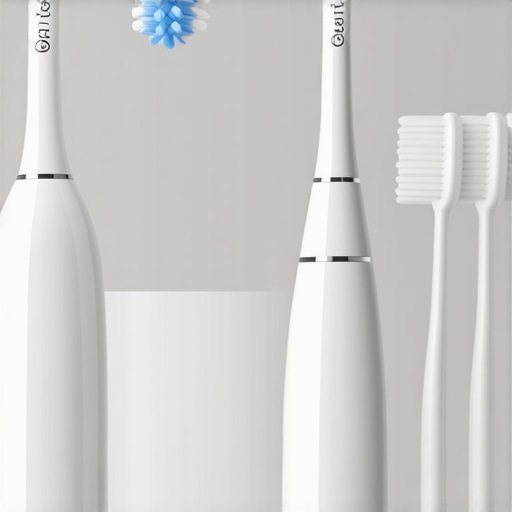
Lessons Life Taught Me About Staying Smile-Ready During Pregnancy
- One of my most eye-opening moments was realizing that my loose teeth during pregnancy were a sign, not a setback. It made me prioritize gentle care and professional advice over panic, transforming my approach to oral health.
- Investing in personalized dental care routines and tools—like choosing the right toothbrush and interdental cleaners—has made a world of difference in maintaining my smile through hormonal waves.
- I learned that proactive communication with my dentist about my unique pregnancy-related changes allowed me to prevent minor issues from becoming major worries, a lesson I wish I’d embraced sooner.
Tools and Insights That Changed How I Maintain My Dental Well-being
- Trusted professional sources, such as regular teeth cleaning, helped me understand that personalized care is key to lasting oral health, especially during pregnancy.
- Advanced tools like electric toothbrushes with app support and silicone interdental brushes became my allies in daily maintenance, turning routine into an effective self-care ritual.
- Reading detailed guides on crown maintenance and proper brushing techniques, available at this resource, empowered me to prolong the life of my restorations and protect my smile.
Your Turn to Shine Bright
Remember, your smile during pregnancy is a reflection of your overall well-being. Embrace personalized care, stay informed, and don’t hesitate to seek professional advice when needed. These small steps can make a significant difference in your oral health journey.
What’s the biggest challenge you’ve faced keeping your smile healthy during pregnancy? Share your experience below and let’s support each other on this journey!