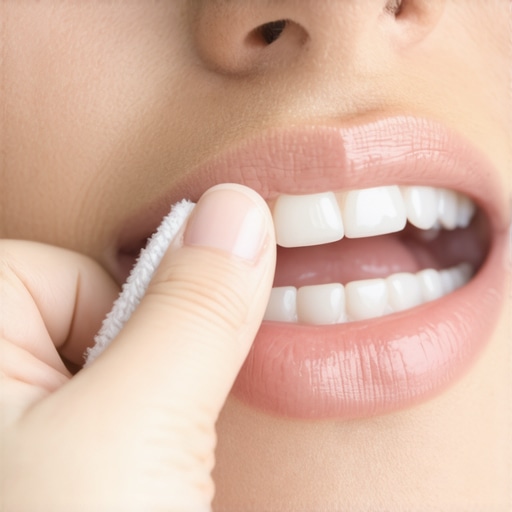
I remember the first time I experienced a gum bleed after a routine brush — that sudden, alarming gush of blood made me pause in shock. It was a moment that made me realize just how fragile our oral health can be, and how easily something as simple as gum irritation can turn into a cause for concern. That lightbulb moment inspired me to dig deeper, because honestly, I didn’t want to feel helpless every time my gums decided to protest.
If you’ve ever faced the frustration of bleeding gums, you know how unsettling it can be. You’re brushing, maybe flossing in a hurry, and suddenly your mouth turns into a mini crime scene. The question that usually follows is, “What now?” Well, today, I promise to guide you through effective, easy steps to stop that bleeding fast, so you can regain control and keep your smile healthy.
Understanding Why Your Gums Bleed When Irritated
Bleeding gums are often a sign that something needs attention — it’s not just about bleeding; it’s about what that bleeding says about your oral health. Usually, irritation, plaque buildup, or trauma from aggressive brushing can cause tiny blood vessels in your gums to rupture. According to dental experts, knowing the root cause is crucial. For instance, if you’re brushing too hard or using a toothbrush with stiff bristles, you’re more likely to damage the delicate tissue.
One common mistake I made early on was neglecting gentle brushing, thinking that scrubbing harder would clean better. That backfired, leading to more irritation and unnecessary bleeding. To avoid such setbacks, I learned to choose a soft-bristled brush and adopted a gentler technique, which made a world of difference.
If this sounds familiar, you’re not alone. Many folks underestimate the impact of a proper oral routine. Regular professional cleanings can help eliminate plaque and tartar that cause irritation in the first place, as discussed in [this article](https://periodontistcare.com/the-impact-of-regular-teeth-cleaning-on-overall-oral-wellness). Understanding and addressing the underlying issues can empower you to prevent future bleeding episodes.
Now, before jumping into remedies, it’s important to recognize whether your bleeding is a one-time flare-up or a recurring problem. If your gums bleed persistently, it could indicate periodontal issues and warrants a consultation with a dentist. But for most cases, simple, immediate actions can stem the bleeding and soothe your gums.
Are you tired of feeling helpless whenever your gums bleed? Well, don’t worry — next, I’ll share practical, proven steps that have worked for me and many others. From basic home care tips to knowing when to seek professional help, you’ll find this guide a reliable companion on your journey to healthier gums.
Apply Gentle Pressure to Control Bleeding Instantly
When bleeding occurs, the first immediate action is to focus on applying direct, firm pressure using a clean, damp cloth or sterile gauze pad. I remember one time after a particularly vigorous flossing session, my gums started bleeding unexpectedly. I pressed gently but firmly for about 10 minutes, which significantly slowed the bleeding. This simple step helps blood vessels constrict, reducing blood flow and giving your body a chance to stop the bleeding naturally.
Rinse with a Saltwater Solution to Cleanse and Reduce Inflammation
Next, rinse your mouth with a warm saltwater solution—dissolve half a teaspoon of salt in a cup of warm water. I personally did this after noticing bleeding gums from my usual brushing. Swish gently for 30 seconds, then spit out. Saltwater acts as an antiseptic, cleaning bacteria and soothing irritated tissue. Regular rinsing can prevent infection and promote healing, especially if plaque buildup is a contributing factor.
Use Cold Compress for Swelling and Pain
Applying a cold compress or ice pack on the outside of your cheek can help constrict blood vessels, reducing bleeding and swelling. I learned this trick when dealing with a minor gum injury; wrapping ice in a cloth and holding it against my face for 10-minute intervals made a noticeable difference. The cold also numbs nerve endings, easing discomfort while the tissue heals.
Maintain Proper Oral Hygiene Without Irritating Gums
While your gums are bleeding, it’s crucial to keep your mouth clean, but be cautious. Use a soft-bristled toothbrush and avoid vigorous scrubbing, which can aggravate the irritation. I started gently brushing with a softer brush and flossed carefully, which helped prevent further trauma. Maintaining oral hygiene prevents plaque buildup that causes inflammation and bleeding. For detailed guidance, check out [effective home dental practices](https://periodontistcare.com/teeth-cleaning-secrets-effective-home-practices-for-family-dental-health).
Avoid Irritants and Hard Foods
Resist foods that may scratch or worsen gum irritation—hard, spicy, or acidic foods are best avoided until healing occurs. I remember trying to eat crispy chips shortly after bleeding started, which intensified discomfort and bleeding. Stick to soft, cool foods like yogurt, smoothies, and cooked vegetables. This allows your gums to recover without additional trauma.
Stay Calm and Monitor Your Symptoms
Stress can make bleeding worse by elevating blood pressure. Keep calm, stay upright to prevent blood from pooling, and avoid strenuous activity. If bleeding persists beyond 15 minutes despite applying pressure, or if you notice additional symptoms like swelling, pus, or fever, seek professional dental care promptly. Consistent bleeding may indicate underlying issues such as periodontal disease, which requires targeted treatment.
Schedule a Follow-Up With Your Dentist
After stabilizing the situation, set up an appointment with your dentist to identify and eliminate the cause of bleeding. Regular check-ups and professional cleanings can prevent future episodes. I made it a point to visit my family dentist regularly, which helped me catch minor issues early and maintain healthy gums. For more on family dental care, visit [family dentistry focus](https://periodontistcare.com/family-dentistry-focus-building-a-lifetime-of-healthy-smiles).
Many individuals believe dental crowns are a one-size-fits-all solution, but the truth is, not all crowns are created equal, and selecting the right type requires nuanced understanding. For instance, some think porcelain crowns are universally better, but in heavy masticators or molar replacements, gold or reinforced ceramic options might last longer and withstand more stress—this detail is often overlooked. When it comes to teeth cleaning, many assume more frequent cleanings always equate to better oral health, yet over-cleaning can erode enamel and disturb the natural balance of oral microbiota, potentially leading to sensitivity or even gum recession; the key is a tailored routine validated by your dentist, not just routine intervals. In family dentistry, the misconception that children only need regular checkups until adulthood misses the importance of early preventive care, including habit counseling and age-specific interventions that can save years of dental issues later. Advanced mistakes often involve neglecting the importance of proper home care post-procedure; for example, failing to follow your dentist’s instructions for crown maintenance increases the risk of cracks, leaks, or bacterial invasion—highlighted extensively in this guide. Furthermore, many underestimate how subtle factors like bite alignment and occlusion influence the longevity of crowns and fillings; misaligned bites cause uneven wear, leading to premature failure and the need for costly replacements. A common myth is that all dental work is purely aesthetic—while appearance matters, the functionality and structural integrity are equally critical, which is backed by recent studies emphasizing the role of occlusion in overall oral health see more here. Recognizing these nuances helps prevent costly mistakes and prolongs the lifespan of dental treatments, but it demands a comprehensive understanding that only seasoned professionals possess. Don’t fall for simple assumptions; instead, ask your dentist about personalized strategies for crowns and cleanings. Remember, good oral health isn’t just about quick fixes—it’s about nuanced care and attention to details most people overlook. Have you ever fallen into this trap? Let me know in the comments, and stay tuned for more expert insights to keep your smile healthy for years to come.Maintaining your oral health long-term requires more than just good brushing habits; it involves utilizing the right tools and techniques that enhance your daily routine and ensure the longevity of dental treatments like crowns. One tool I personally swear by is the Waterpik Sonic-Fulcrum Flosser. Its pulsating water streams effectively remove plaque and food debris from hard-to-reach areas, especially around crowns and bridges, reducing the risk of secondary decay. Unlike traditional floss, which can sometimes be challenging to maneuver around dental restorations, this device provides consistent, gentle cleaning that I find easier and more effective.
Another essential device is the Sonicare DiamondClean Smart Electric Toothbrush. Its superior plaque removal capability, combined with multiple cleaning modes, helps keep my teeth and gums healthy. I particularly appreciate its pressure sensor, which prevents me from brushing too hard—a common mistake that can damage delicate gum tissue around crowns and cause recession. Regular use of this toothbrush, along with scheduled replacement of the brush heads every three months, aligns with the recommendations from [this expert advice](https://periodontistcare.com/maintaining-your-dental-crowns-dos-and-donts-for-best-results). <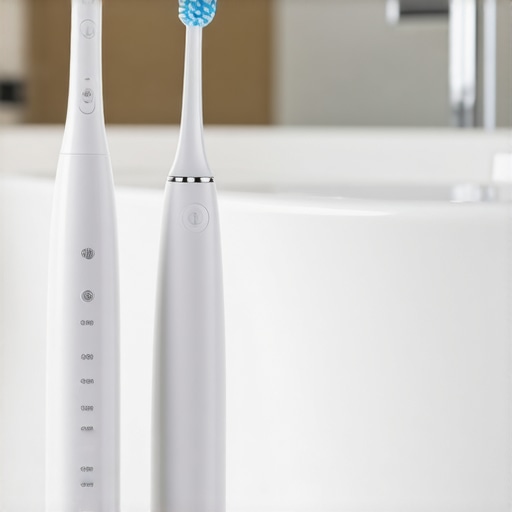 >
>
In terms of technique, I advocate for the ultrasonic scaling approach, which some dental professionals now recommend for at-home maintenance of crowns and veneers. This method uses ultrasonic vibrations to break down plaque and tartar buildup gently but thoroughly, minimizing trauma to the restoration margins. It’s a technique that combines modern technology with proven results, and I highly suggest discussing its application with your dentist.
Additionally, I’ve integrated the use of disclosing tablets into my routine. These tablets stain plaque areas temporarily, visually demonstrating where my brushing might be insufficient. This immediate feedback helps me improve my technique each day, especially around crowns where plaque accumulation can threaten the adhesive interface. For a comprehensive guide on how to incorporate these into your routine, check out [this article](https://periodontistcare.com/oral-health-routine-strengthening-your-smile-every-day).
Looking ahead, the future of oral maintenance tools is leaning toward smart toothbrushes integrated with AI-powered apps that provide real-time feedback and personalized coaching. Some brands are already experimenting with sensors that detect early signs of gum inflammation or crown deterioration, promising a new level of preventive care. Utilizing these advanced tools now can significantly improve long-term outcomes, preserving your investment in dental restorations.
Curious about the latest innovations? I recommend trying a high-tech electric toothbrush with built-in sensors and connectivity features. Consistent and informed use of such devices has the potential to transform your home care routine into a more precise and proactive process. Remember, well-maintained tools aren’t just for comfort—they’re vital for ensuring your crowns, teeth, and gums stay healthy for years to come. For more insights, visit [this detailed guide](https://periodontistcare.com/teeth-cleaning-secrets-effective-home-practices-for-family-dental-health).
What I Realized About Overconfidence in Dental Care
One major lesson I learned is that assuming perfect oral hygiene means no surprises, I overlooked the subtle signs of insidious issues that could lead to bleeding gums. This made me realize that even diligent routines need periodic professional assessments to catch hidden problems early.
The Power of Mindful Maintenance Over Quick Fixes
I used to rely heavily on over-the-counter whitening kits and quick solutions, thinking they would solve my aesthetic concerns effortlessly. The truth I uncovered is that consistent, mindful care—like proper brushing techniques and regular dental visits—far outweighs temporary fixes when it comes to long-term oral health.
How Personal Experience Shaped My Approach to Family Dentistry
Watching my children grow, I noticed that early habits influence lifelong dental health. Personal experiences taught me the importance of making dental visits a positive, routine part of family life, which helps children develop healthy attitudes toward oral care and prevents issues like early decay or misalignment.
Resources That Became My Dental Companions
My trusted tools include the Sonicare DiamondClean Smart Electric Toothbrush, which offers gentle yet thorough cleaning, and the Waterpik Sonic-Fulcrum Flosser, especially effective around crowns and bridges. These devices, along with insightful reading from professionals linked in this guide, have transformed my home care routine.
Seize the Moment to Elevate Your Oral Routine
Your oral health journey is uniquely yours—embrace it with awareness and intention. Regularly re-evaluate your habits, adopt innovative tools, and seek professional advice to ensure your smile remains confident and healthy for years to come. Remember, the most profound improvements come from consistent effort and a willingness to learn beyond the surface. Share your experiences with bleeding gums or crowns below—every story adds to our collective wisdom.