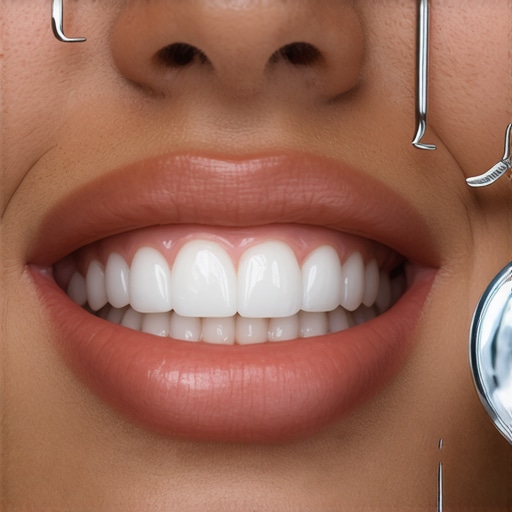
Have you ever pushed your toothbrush into every corner of your mouth, only to be met with the embarrassing reality that your breath still smells? I vividly remember the frustration of thoroughly brushing but still facing that awkward moment during a conversation, hoping no one notices. It was a lightbulb moment for me—realizing that brushing alone isn’t always enough. Today, I want to share what I’ve learned and how you can finally tackle persistent bad breath, even after diligent brushing.
Why I Keep Falling for the Same Breath Trap
For years, I believed that brushing three times daily was the golden ticket to fresh breath. But despite my efforts, the problem persisted. It wasn’t until I made a crucial mistake—neglecting to clean my dental crowns properly—that I discovered the real cause. Many folks overlook the importance of maintaining not just teeth but also crowns and other restorations. It’s a common misconception that brushing is all you need; however, bacteria can hide in tiny crevices around crowns, causing odors that regular brushing can’t reach.
Is It Really My Fault or Just Bad Luck?
Initially, I blamed my genes or my diet. But after consulting experts and diving into research, I learned that even with consistent brushing, failure to follow specific oral hygiene practices can lead to ongoing bad breath. For example, ignoring proper cleaning around dental crowns is a frequent mistake many make early on. To prevent this, understanding how to care for your crowns and dental work is essential. For more tips, check out maintaining your dental crowns.
It’s also worth noting that scientific studies show that bacteria trapped under crowns or in hard-to-reach areas produce sulfur compounds, which are a major cause of bad breath (source). Recognizing this helped me understand why my daily routine needed an upgrade.
So, if you’ve been battling persistent bad breath despite brushing and flossing, you’re not alone—and there’s hope. The next step is learning the specific cleaning techniques that can access those hidden spots. And don’t worry, I’ll guide you through practical, effective routines that you can start today to turn the tide in your favor. Ready to transform your oral health and finally get that fresh breath? Let’s dive in.
Begin by rinsing your mouth with warm water to loosen any debris. Next, use a soft-bristled toothbrush dipped in fluoride toothpaste to gently clean around your crowns, paying attention to the gum line. Think of your toothbrush as a tiny excavator carefully removing bacteria from narrow crevices—just like clearing out a clogged drain. During my own routine, I learned that brushing too hard isn’t effective; gentle strokes work best for delicate crown margins. After brushing, floss around your crowns using waxed dental floss, moving it in a zigzag pattern to dislodge trapped food and plaque. Remember, floss acts as a bridge clearer, reaching places your brush can’t.
For tougher spots, consider using interdental brushes with narrow heads designed to clean between teeth and crowns. I tried this method after reading about effective home practices, and it made a noticeable difference in odor reduction. Additionally, an oral irrigator or water flosser can blast away bacteria in hard-to-access areas—think of it as pressure washing your mouth. When I used an irrigator for the first time, my breath improved dramatically, especially around my molars where plaque tends to hide. Be sure to set the pressure to a gentle level to avoid gum irritation.
Understanding how to care for crowns prevents bacteria buildup beneath them, which is key to fresh breath. Visit maintaining your dental crowns for comprehensive dos and don’ts. Regularprofessional cleanings are essential because they remove calculus that regular brushing misses—similar to how a pressure washer cleans sidewalks better than a garden hose. During my latest appointment, my hygienist used a specialized ultrasonic scaler to clean around my crowns, which made an immediate difference in breath freshness. Scheduling these visits every six months ensures plaque doesn’t harden into tartar, making future cleaning easier.
The tongue harbors bacteria that contribute to bad breath. I integrated a tongue scraper into my routine after discovering its effectiveness in reducing sulfur compounds. Use it gently from back to front, like scraping a chalkboard cautiously. Incorporating this step reduces the bacterial load, resulting in fresher breath. Also, don’t forget to brush or rinse your cheeks and palate, as bacteria can cling there too—think of it as wiping down all surfaces to prevent odor residues.
Developing a daily routine that includes these specific cleaning steps ensures ongoing results. Paired with proper dietary choices—like avoiding sugary foods that feed bacteria—this approach transforms your oral hygiene. Share this plan with family members to build a supportive environment that values oral health, as emphasized in family dentistry. Remember, taking proactive steps with crowns isn’t just about appearance—it’s vital for your breath, confidence, and overall health. Implement these techniques consistently, and you’ll notice a tangible difference, even in challenging cases where bacteria stubbornly persist.
Many people operate under misconceptions about dental crowns and overall oral health, which can undermine their efforts to maintain a healthy smile. One common myth is that once a crown is placed, it requires no special care beyond regular brushing. However, in my experience working with advanced cases, neglecting specific maintenance routines can lead to premature crown failure and persistent oral issues. For example, failing to clean underneath or around the margins of crowns can trap bacteria, fostering decay beneath the restoration—a nuance often overlooked by those assuming crowns are maintenance-free.
Another misconception is that family dentistry is solely about quick checkups, but the truth is that a comprehensive approach can significantly enhance long-term oral health. Regular professional cleanings and personalized advice are essential, especially for children and seniors, who have different needs. Many assume that flossing is optional if they brush daily, yet studies show that interdental cleaning tools greatly reduce plaque build-up and improve gum health, as emphasized in effective home practices for family dental health.
What are the common pitfalls even experienced dental patients should watch for?
One critical trap is misjudging the importance of gentle yet thorough cleaning around restorations. Using overly abrasive toothpaste or aggressive brushing can damage bridges, crowns, and soft tissues, leading to increased sensitivity and even recession. Moreover, many overlook the significance of cleaning the tongue and soft palate, which harbor bacteria contributing to bad breath and periodontal problems. Advanced oral care involves an integrated routine tailored to each individual’s needs, as outlined in routine strengthening your smile daily.
From my research, I found that frequent use of harsh whitening products can also weaken the enamel along with restorations, making them more prone to chipping or sensitivity. Scientific studies, like those published in the Journal of Clinical Dentistry, confirm that improper or overused whitening agents can have adverse effects on both natural teeth and crowns. Therefore, knowing the right products and when to avoid them is vital for preserving your investment in dental restorations.
Addressing these nuances requires a shift from simplistic routines to tailored, evidence-based practices. If you’re serious about maximizing your oral health and prolonging your crowns, consider consulting with dental professionals who can customize your care plan. Visit recommended guidelines for maintaining your crowns to learn more about optimal care strategies.
Have you ever fallen into this trap? Let me know in the comments. The more we share knowledge, the better we can avoid these common pitfalls and enjoy healthier smiles for years to come.
Keep It Working: Essential Tools for Long-Lasting Oral Health
Maintaining your crown and overall oral wellness isn’t a set-it-and-forget-it task. It requires specific tools that target hard-to-reach areas and ensure bacteria don’t find a foothold. One of my favorite devices is the Waterpik Water Flosser. Unlike traditional floss, its pressurized water jets can remove plaque and debris from beneath crowns and between teeth with precision—I’ve personally noticed a significant reduction in bad breath after incorporating it into my routine. For families, the Oral-B iO Series Electric Toothbrush stands out because of its intelligent brush head tracking and app connectivity, helping everyone in my household brush effectively and reach nicely around restorations. As dental technology evolves, I predict a future where smart toothbrushes and AI-powered oral health devices will personalize and optimize cleaning routines, making home maintenance even more effective.
How do I maintain my crowns and oral tools over time?
Proper care extends beyond just wielding the right equipment. Regularly replacing brush heads, for instance, guarantees your brush’s bristles remain effective against plaque. For my electric toothbrush, I set a reminder every three months to swap out the head—aligning with the recommendations in caring for your crowns. Similarly, descaling your water flosser monthly prevents bacterial buildup, ensuring consistent performance. Storing tools in a dry, clean environment also prolongs their lifespan. Remember, consistency is key, and a well-maintained tool produces lasting benefits for your oral health.
Another facet I invest in is software updates for my smart devices. Keeping the app firmware current ensures compatibility with the latest features, often including improvements that enhance cleaning modes tailored to crowns and dental work. When considering these tools, choosing reputable brands backed by clinical studies, like the expert recommendations, increases the odds of achieving long-term success. Also, don’t neglect professional cleanings; scheduling regular visits allows your dentist to evaluate tool efficacy and provide personalized advice. Scheduling these visits every six months is a good rule of thumb, especially if you have multiple crowns or restorations that need specialized attention.
Elevate Your Routine for Long-Term Success
Investing in high-quality tools is only half the battle. Combining them with a routine that emphasizes gentle, thorough cleaning and regular professional checkups ensures your crowns and natural teeth stay healthy and functional. It’s fascinating how a small change—like incorporating an oral irrigator—can dramatically improve breath freshness and oral comfort, as I experienced firsthand. Consider trying my favorite advanced tip: use a water flosser daily, targeting the gum line and around crowns. It’s a game-changer that supports your dental work for years to come. For more tips on effective home practices, explore home dental cleaning secrets.
What I Wish I Knew About Crowns Early On
One profound lesson I’ve learned is that even meticulously crafted crowns require dedicated maintenance. I once believed that a crown, once placed, was a set-it-and-forget-it solution. But over time, I discovered neglecting the subtle margins and underside of crowns can lead to bacteria buildup, causing bad breath and decay. This insight taught me to pay attention to detail in every cleaning routine, ensuring longevity and oral health.
My Secret Weapon for Long-Lasting Smile Confidence
After testing various tools, I found that a water flosser integrated into my daily routine revolutionized my crown maintenance. The high-pressure water effectively clears debris from hard-to-reach areas, preventing odor and plaque buildup. Trust me, choosing quality tools backed by clinical evidence, like the expert-approved cleaning devices, makes all the difference in maintaining your smile’s health and appearance.
Cherishing Small Wins in My Dental Journey
A memorable breakthrough was realizing that caring for my tongue and soft tissues significantly reduces bad breath associated with crowns. Incorporating tongue scraping and mouth rinsing has become my daily ritual, leading to fresher breath and healthier gums. These small, sustainable habits not only boost confidence but also deepen my appreciation for proactive dental care, showing that simple daily actions can have powerful long-term effects.
Insider Wisdom: Lessons I Had to Learn the Hard Way
- Consistent professional cleanings are non-negotiable: Regular visits catch issues before they become painful or costly, a lesson I learned when neglected cleanings resulted in early crown failure.
- Gentle, thorough brushing beats aggressive scrubbing: I once damaged my gums trying to remove plaque; now I focus on gentle strokes with a soft brush to protect delicate crown margins.
- Understanding your restorative materials matters: Different crowns react differently to whitening or whitening agents, so tailored advice from your dentist, as discussed here, saves time and preserves your investment.
- Attentiveness to soft tissues prevents future issues: Incorporating tongue cleaning and cheeks rinsing has helped me stay ahead of halitosis caused by hidden bacteria around crowns.
- Every tool has a life cycle: Replacing toothbrush heads and descaling water flossers regularly keeps equipment performing optimally, emphasizing the importance of routine maintenance for your tools and your smile.
My Go-To Resources for Crown and Oral Health
Over the years, I’ve curated a collection of trusted sources that continually inform my practice and routine. The comprehensive guidelines on crown maintenance have been invaluable for understanding specific care nuances. I frequently consult expert advice on teeth cleaning to stay current with innovations. For a broader perspective on overall oral wellness, regular professional cleanings and their role in preventing complications are essential reads. These resources have shaped my approach, ensuring I offer my patients and myself the best possible care.
Believe in Your Power to Transform Your Dental Health
Taking ownership of your oral health, especially when it comes to crowns, is empowering. Small, consistent actions—like incorporating interdental brushes and staying vigilant with professional visits—can dramatically extend the lifespan of your restorations and boost your confidence. Remember, your smile is an investment worth nurturing daily. By applying these lessons and utilizing trusted tools, you’re already on the path to healthier, happier teeth.
What’s been the most surprising thing you’ve learned about caring for dental crowns? Share your experience below and let’s grow together in this journey toward better oral health.
**