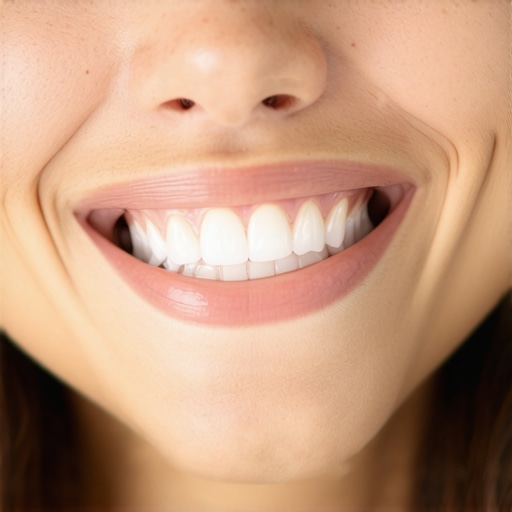
It was a morning like any other, until I caught my reflection and noticed my teeth looking duller and more stained than I remembered. Frustration set in—I’d tried every whitening kit in the store, all with limited results and hefty price tags, leaving me wondering if bright, white teeth were somehow reserved for celebrities and Hollywood commercials. That lightbulb moment hit me hard: there had to be a better, more affordable way.
The Real Reason Your Smile Might Be Losing Its Shine
It turns out, maintaining whiteness isn’t just about expensive bleaching treatments or intricate kits. A lot of us fall into common traps without even realizing it, like overusing store-bought whiteners or neglecting proper oral hygiene routines. What’s more, many of those kits can cause sensitivities or damage if misused, turning what should be a confidence boost into a dental dilemma.
But here’s the good news: there are simple, natural strategies, backed by science and personal experience, that can help you keep your teeth white without draining your wallet. In this post, I’ll share the secrets I’ve uncovered—things that cost little to nothing but make a world of difference.
Skeptical? You’re Not Alone
I used to believe only professional treatments could give me that sparkling smile. I remember early on trying those DIY methods I read about online—some of which I now know to be ineffective or even harmful. My biggest mistake? Overlooking the importance of regular, gentle cleaning and assuming whitening was all about topical products. It wasn’t until I changed my habits and focused on natural, sustainable routines that I started noticing real improvements.
So, have you ever felt that no matter what whitening product you try, your teeth just don’t look as bright as you want? If so, you’re not alone, and I promise—there’s hope. Let’s break down the practical steps that can help you achieve that radiant smile, naturally and affordably. Stay with me, because what I’ve found might just change how you see your dental routine forever.
Master Your Daily Oral Hygiene Routine
Start with brushing at least twice a day using a soft-bristled toothbrush. Spend two minutes each session making gentle circular motions, covering all surfaces of your teeth. Replace your toothbrush every three months or sooner if bristles fray. Incorporate flossing daily to remove plaque and food particles between teeth, which can stain and contribute to discoloration. Opening a fresh floss package and diligently cleaning between teeth after a meal was a game changer for me — instantly noticing cleaner, brighter teeth.
Choose Natural Whitening Aids Wisely
Opt for natural remedies like baking soda, which has mild abrasive properties to scrub away surface stains. Mix a small amount of baking soda with water to form a paste and brush gently, avoiding overuse to prevent enamel erosion. Alternatively, rubbing fresh strawberry or banana peel on teeth leverages malic acid to help remove stains. I tried the baking soda paste once; the result was surprisingly effective without the sensitivity I experienced with commercial whiteners. Remember, moderation is key to avoid damaging your enamel.
Mind Your Food and Drink Choices
Certain foods and beverages stain teeth more than others — think coffee, red wine, and dark berries. Rinsing your mouth or brushing shortly after consuming these can reduce staining. Using a straw when drinking staining liquids helps minimize contact with your teeth. Swapping dark beverages for lighter options like herbal teas or water can make a noticeable difference. I found that reducing my coffee intake and sipping through a straw kept my teeth whiter longer without giving up my morning routine.
Limit Habits That Yellow Your Teeth
Smoking or tobacco use deposits tar and nicotine stains deep into the enamel, producing stubborn discoloration. Quitting is the most effective way to prevent further staining. If you’re struggling, consider seeking support through programs or therapies. Additionally, avoid biting into hard foods like ice or hard candies, which can chip enamel and make teeth appear dull or uneven. Replacing these habits was a turning point in my journey toward a brighter smile, combined with regular cleanings.
Schedule Regular Professional Cleanings
Even with diligent home care, professional cleanings remove tartar and stubborn stains that daily brushing cannot tackle. During cleanings, hygienists use specialized tools to polish teeth and restore their natural shine. I noticed a marked improvement after my routine checkups—my teeth felt cleaner and looked brighter. Find a trusted family dentist and stick to a consistent schedule—typically every six months—for optimal results. For additional insight on maintaining dental health, visit this guide.
Be Cautious with Commercial Whitening Products
While over-the-counter whitening strips and gels promise quick results, they can sometimes cause sensitivity or damage if misused. Always read instructions carefully and consult your dentist before starting any whitening regimen. For those with sensitive nerves, professional options customized to your needs tend to be safer and more effective. I learned this the hard way — trying strong whitening strips without professional advice left my teeth temporarily sensitive and discouraging. Prioritize safety and seek expert advice, especially if you have crowns or restorations.
Protect Your Dental Investments
If you have crowns, veneers, or dental implants, understanding how to preserve their shine is crucial. Avoid abrasive pastes and overly aggressive brushing on these restorations, as they can erode or damage them. Use non-abrasive toothpaste indicated for crowns and schedule regular checkups to monitor their condition. This proactive approach ensured my crowns stayed beautiful and functional for years. For tailored guidance, check this resource.
Many people believe they fully understand oral health, but in reality, some widespread myths can hinder effective dental care and even cause harm. One prevalent misconception is that brushing harder cleans better. In truth, aggressive brushing can erode enamel, damage gums, and cause sensitivity. Employing gentle, proper brushing techniques, as described in this guide, is far more beneficial. Another misconception involves the use of whitening products, with many assuming they’re safe for everyone. However, overuse or incorrect application may lead to enamel erosion or increased sensitivity, especially without professional guidance. Always consult with your dentist before starting whitening routines. A less obvious mistake is neglecting the importance of regular checkups; some believe home care alone suffices. Yet, professional cleanings remove tartar, detect early signs of disease, and can prevent costly procedures later, as emphasized in this article. Many assume that crowns and restorations don’t require special care. Conversely, neglecting the maintenance of dental crowns can lead to quicker deterioration or secondary decay. Using non-abrasive cleaning agents and scheduling routine appointments helps preserve these investments, details of which are available here. Lastly, many think teeth naturally yellow with age, but poor habits like smoking, staining diets, or inadequate hygiene significantly accelerate discoloration. Adopting proper brushing, avoiding stain-causing foods, and professional whitening when needed can maintain brightness longer. Don’t fall into the trap of believing that only professional whitening is effective; natural routines and preventive care are your safest best.
### Are You Falling for These Common Oral Health Mistakes?
Have you ever fallen into this trap? Let me know in the comments! Understanding and correcting these misconceptions can save you money, preserve your smile, and improve overall health. For comprehensive insights into daily routines, visit this resource and keep your dental care on point.
Keeping It Working: Tools and Techniques for Long-Term Dental Success
Maintaining a healthy, bright smile isn’t just about good habits; it relies heavily on using the right tools that support your daily routine and long-term oral health goals. Over the years, I’ve tested various equipment and techniques, and I’m excited to share the ones that have truly made a difference in my practice and personal care regimen.
Invest in a High-Quality Electric Toothbrush
Unlike manual toothbrushes, a good electric model provides consistent, gentle power that ensures all surfaces are cleaned effectively. I prefer the Oral-B Genius X; its oscillating-rotating technology reaches deeper into crevices and along the gumline. Plus, it tracks your brushing patterns via a smartphone app, helping me identify habits that could cause long-term issues. This level of precision makes it easier to keep gums healthy and teeth bright, saving time during cleanings and reducing the risk of plaque buildup.
Use a Water Flosser for Deep Cleaning
Flossing daily is crucial, but traditional floss can sometimes be challenging or ineffective, especially around crowns or braces. I recommend the Waterpik Ultra Water Flosser because it is capable of reaching nooks and crannies that floss strings might miss. It’s especially beneficial for family members with dental work or sensitive gums. Regular use prevents tartar accumulation and maintains the integrity of crowns and implants over time. As seen in this guide, water flossers are becoming an essential tool in effective home care.
Implement a Reputable Whitening Kit Safely
For maintaining a bright smile between professional treatments, I personally use the Opalescence Go whitening trays. They are easy to use, customizable, and contain the right concentration of peroxide to prevent sensitivity. I always follow up with a fluoride rinse to protect enamel. The key is consistency—whitening is a gradual process that benefits from a routine. In the future, I predict advancements in LED light-activated whitening will make at-home kits even more effective, safer, and faster.
How do I Maintain These Tools Over Time?
Proper maintenance extends the lifespan of your equipment and safeguards your oral health. Regularly replace toothbrush heads — typically every three months — and clean your electric toothbrush and water flosser according to manufacturer instructions to prevent bacterial buildup. Store devices in a dry, ventilated area and avoid sharing tools with others to reduce cross-contamination. A professional cleaning every six months helps ensure your tools and techniques are aligned with your dental health needs. Check out this resource for tips on maintaining crowns and appliances effectively.
Looking forward, innovations like smart toothbrushes with AI coaching, and more personalized, digitally-guided whitening treatments are poised to transform home dental care. Embracing these tools now sets the foundation for a sustainable, beautiful smile.
Ready to upgrade your routine? Try implementing a high-quality electric toothbrush and water flosser today. Not only will your daily cleaning become more effective, but you’ll also be investing in your smile’s health for years to come.
The Hard-Earned Wisdom That Changed My Dental Approach
One of the most surprising lessons I learned was that gentle, consistent care outweighs aggressive shortcuts. Initially, I believed more brushing or harsh whitening would lead to quicker results, but over time, I discovered that patience and natural methods produce sustainable, healthier results. Recognizing that overuse of whitening products can erode enamel was a game-changer, prompting me to embrace routine checkups and natural remedies instead.
Another lightbulb moment was realizing that myths about oral health — like needing to brush immediately after acidic foods — can do more harm than good. It taught me to prioritize timing and technique, which makes my dental routine more effective without risking sensitivity or damage. Finally, I understood that investing in quality tools, like a high-end electric toothbrush, pays off in the long run, saving me money and preserving my smile’s brightness.
Tools and Sources That Changed My Perspective
My go-to resource for holistic dental advice is this comprehensive guide on effective home practices. It combines scientifically-backed tips with practical insights, helping me refine my routine. I also trust this resource on daily oral health routines for actionable steps that fit into busy schedules. For quality tools, I rely on the recommendations on maintaining crowns effectively and the expert advice on crowns and cleaning. These sources have empowered me to make informed decisions and protect my dental investments.
Your Bright Future Starts Today
Taking control of your oral health with natural routines, quality tools, and trusted resources can truly transform your confidence. Remember, every small step builds toward a lifetime of healthy, radiant teeth. Don’t wait for problems to appear—start today, and smile brighter every day.