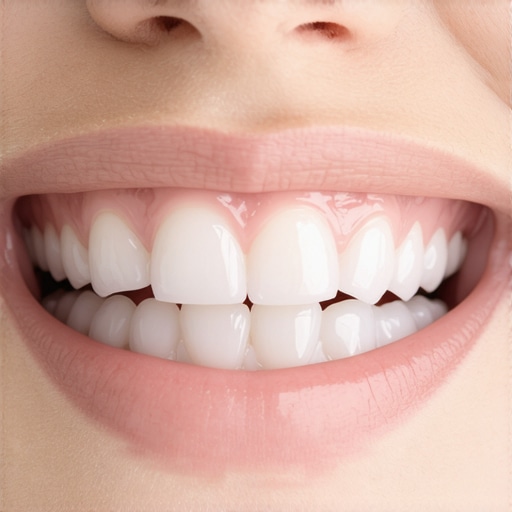
It happened suddenly during my routine dental appointment—my teeth felt unusually wobbly, almost like they’d been loosened overnight. I vividly remember the mix of confusion and worry that swept over me. Was I doing something wrong? Did I damage my teeth? It was a lightbulb moment that made me realize many people share this perplexing experience, yet few understand what’s truly happening.
Decoding the Sensation of Looseness During Dental Cleanings
The sensation of teeth feeling loose during a professional scale and polish can be unsettling. But here’s the truth: what you’re experiencing is often related to the cleaning process itself, not a sign of tooth mobility or underlying disease. During a deep cleaning, especially when plaque and tartar have built up below the gum line, the process can temporarily disturb the supporting structures of your teeth. This disturbance might make your teeth feel a bit wobbly, but rest assured, it usually resolves quickly.
What I didn’t know initially was that this feeling can sometimes be exacerbated if there’s underlying gum inflammation, which is common in early periodontal issues. In my case, I had overlooked minor gum bleeding and irritation that I mistook as normal. A mistake I made early on was ignoring minor gum issues and not consulting my dentist sooner. If you’d like to learn how to maintain healthy gums and prevent unnecessary discomfort, check out our comprehensive tips on [oral health routines](https://periodontistcare.com/oral-health-routine-strengthening-your-smile-every-day).
Are Your Feelings of Looseness Normal or Worrying?
Many patients worry that a loose-teeth sensation during cleaning might signify serious problems like gum disease or bone loss. While advanced cases can cause genuine tooth mobility, temporary feelings of looseness are generally harmless and part of the cleaning process. Understanding this distinction is important to avoid unnecessary alarm.
Reflecting on my early missteps, I recall how I thought every odd sensation was disastrous. I wish I had known then that professional cleanings can sometimes make teeth feel a little different temporarily. For more insights into what those sensations mean, consider exploring [expert advice on crowns and teeth cleaning](https://periodontistcare.com/expert-advice-on-crowns-and-teeth-cleaning-for-lasting-results).
Now that you understand the basics, let’s delve into what you can do to ensure your dental visits are comfortable and beneficial instead of anxiety-provoking.
Prepare Your Teeth Properly Before Cleaning
Start with effective at-home oral hygiene. Brushing twice daily with fluoride toothpaste and flossing ensure plaque buildup isn’t excessive, making professional cleanings smoother. I once neglected flossing before a cleaning, and my dentist struggled to access tight spots, prolonging the session. Using an interdental brush can reach places floss might miss. Regular routines not only improve your experience but also enhance overall oral health.
Communicate Your Sensations Clearly During the Visit
Inform your dentist immediately if you feel unusual sensations, like looseness or discomfort. During my last appointment, I felt a strange wobble and hesitated to mention it—leading to unnecessary worry. Dentists rely on patient feedback to differentiate between normal temporary feelings and genuine issues. A simple, clear description helps them adjust their technique accordingly and prevents misinterpretation of the process.
Ask About Temporary Looseness
Understand that feeling teeth wiggle during scaling isn’t uncommon, especially if there’s existing gum inflammation. Think of your gums as a park’s boundary fence; when inflamed, it loosens the support for your teeth, temporarily causing a wobble. Communicate with your dentist if this sensation persists or worsens, as it may indicate underlying issues needing attention.
Adopt Post-Visit Care to Maintain Comfort
After the cleaning, gentle care is key. Avoid hard foods immediately; opt for soft, soothing options like yogurt or mashed vegetables. I once ate crunchy chips right after a cleaning, which caused sensitivity and discomfort. Using an anti-inflammatory mouth rinse can reduce residual irritation. Following your dentist’s instructions prevents lingering feelings of looseness and keeps your mouth comfortable.
Optimize Long-term Maintenance
Schedule regular checkups and professional cleanings—ideally every six months. Regular visits help your dentist detect early signs of gum disease or bone loss, which can create true tooth mobility over time. Maintaining consistent routines minimizes abrasive sensations and fosters a healthier, happier smile.
Apply Support While Eating or Speaking
If you experience temporary slight looseness, choose soft foods and avoid vigorous jaw movements. Think of your teeth as tent poles; during certain procedures, they may seem less stable, but gentle handling prevents further shifting. I learned this the hard way by biting into a tough apple too swiftly post-cleaning, which exacerbated the wobble. Mindful practices protect your teeth and reinforce their support structures over time.
Stay Informed About Crown and Implant Care
If you have dental crowns or implants, special attention is necessary to avoid sensations of looseness. Proper cleaning around these restorations prevents plaque buildup that can compromise stability. For example, I once neglected to clean under my crown adequately, leading to a sensation of shifting. Regular gentle cleaning with appropriate tools ensures longevity and comfort, aligning with tips from [maintaining your dental crowns](https://periodontistcare.com/maintaining-your-dental-crowns-dos-and-donts-for-best-results). Maintaining your artificial teeth is as vital as caring for natural ones.
Many believe that brushing more vigorously will guarantee a cleaner mouth, but in reality, aggressive brushing can damage enamel and irritate gums. This common misconception often leads to sensitivity and recession over time. Furthermore, people tend to focus solely on whitening or whitening products, assuming that the brighter the teeth, the healthier the mouth. However, veneer and crown misperceptions can cause unsuspecting damage if not chosen and maintained correctly. An overlooked nuance in family dentistry is that consistent preventative care, like regular professional cleanings, is more impactful for long-term health than sporadic, intensive at-home routines. Common myths include the idea that all dental crowns are the same or that they require no special care; this can lead to premature failure if maintenance tips are ignored. Be cautious of the trap where patients believe that crowns don’t need special cleaning, as improper care can result in decay or loosening. Advanced mistakes involve neglecting to understand the difference between various crown materials—zirconia versus porcelain—and their specific care protocols. For example, zirconia crowns are highly durable but can be sensitive to certain cleaning agents if improperly used. A sophisticated question many patients ask is: How does the choice of crown material influence long-term oral health? Experts advise that proper maintenance, including gentle cleaning and regular checkups, extends the lifespan of restorations (source: [expert advice on crowns](https://periodontistcare.com/expert-advice-on-crowns-and-teeth-cleaning-for-lasting-results)). To avoid these pitfalls, communicate openly with your dentist about the best tools and techniques suited for your unique dental situation. Remember, understanding these nuances helps you make informed decisions that protect your investment and ensure a healthier, more radiant smile for years to come. Have you ever fallen into this trap? Let me know in the comments.Achieving and maintaining excellent oral health requires more than just good habits; having the right tools makes all the difference. I personally rely on specialized equipment and techniques that have proven effective over years of practice, ensuring long-term results and smoother family dental routines.
Invest in a Sonic Toothbrush with Customizable Settings
While regular manual brushing is beneficial, a high-quality sonic toothbrush like the Philips Sonicare DiamondClean has transformed my daily routine. Its oscillating brush heads and high-frequency vibrations provide superior plaque removal, especially around crowns and hard-to-reach areas. The customizable modes allow for gentle cleaning after long treatments, preventing gum irritation. I appreciate the built-in timers, which ensure I brush for the optimal two minutes, aligning with recommendations from effective home practices.
Add Water Flossers to Your Daily Routine
For interdental cleaning, I swear by the Waterpik Water Flosser. Unlike traditional floss, water flossers can reach below the gum line without causing discomfort, which is essential for maintaining health around crowns and implants. They’ve helped reduce bleeding and plaque buildup, especially in hard-to-clean areas. Regular use of a water flosser, combined with proper brushing, creates an unbeatable defense against gum disease and prolongs the lifespan of restorations.
Use a Gentle Descaling Tool for Stains
To keep surfaces bright and avoid surface stains, I recommend a professional-grade scaling tool like the AirFloss Pro. Not only does it assist in removing surface debris, but its gentle yet effective jet cleans areas where traditional brushing might miss. When combined with professional cleanings every six months, this approach maintains both aesthetic appeal and oral health.
Embrace Modern Imaging Technologies for Accurate Monitoring
Advances in dental imaging, such as 3D cone-beam CT scans, provide detailed insights into the health of bones and supporting tissues. These tools enable early detection of issues that could compromise crowns or lead to long-term problems. Regular monitoring with precise imaging ensures any necessary interventions happen before minor issues escalate—saving time, money, and discomfort. For a consistent check, discuss options with your dentist, as these technologies are becoming standard in quality practices.
Predicted Trend: Smart Dental Devices Will Dominate
The future of oral health care is increasingly leaning toward smart devices integrated with mobile apps. From toothbrushes tracking brushing habits to flossers that remind you to clean, technology is personalizing preventive care. I believe this trend will make routine maintenance more engaging and effective, ultimately leading to better long-term results. To stay ahead, try adopting a smart toothbrush or an app-enabled water flosser, which guides you through optimal techniques and schedules.
How do I maintain my tools over time?
Proper maintenance of your dental tools is crucial to ensure they stay effective. Rinse your toothbrush thoroughly after each use to remove saliva and debris; replace the head every three months or sooner if wear appears. For water flossers, descale monthly with a vinegar solution to prevent mineral buildup. Keep your tools clean and store them in a dry area to avoid bacterial colonization. Also, check manufacturer guidelines regularly and replace parts as recommended. These simple steps extend the functionality of your equipment and promote sustained oral health—making your investment pay off in the long run. To learn more about protecting your crowns, visit maintaining your crowns.
What I Wish I Knew About Teeth Feelings During Cleanings
One of my most valuable lessons was realizing that the temporary sensation of looseness isn’t a sign to panic but a normal part of the cleaning process—especially when inflamed gums are involved. Ignoring small signs can lead to bigger issues down the line, so paying attention and communicating with your dentist is crucial. I also learned that over time, consistent at-home care and open dialogue can turn confusing sensations into confidence in your oral health.
Tools That Transformed My Smile Maintenance
From my personal experience, investing in a sonic toothbrush with customizable settings and a water flosser has been a game-changer. These tools have helped me reach those hidden spots around crowns and implants with ease, reducing discomfort and enhancing hygiene. Reading reviews and expert opinions gave me confidence that my tools are supporting long-term health—consider exploring [professional-grade tools](https://periodontistcare.com/teeth-cleaning-secrets-effective-home-practices-for-family-dental-health) for your routine too.
The Power of Consistent Oral Care and Mindful Practices
I realized that daily routines, like gentle brushing and proper flossing, aren’t just habits—they’re investments in your future smile. I also found that knowing when to rest and what foods to avoid immediately after appointments makes a significant difference. These small but vital steps help prevent sensations of looseness from lingering and keep your gums and teeth stronger over time. Remember, your smile is worth the effort—embrace the small changes that lead to big results.
How to Turn Knowledge Into Action
Now’s the perfect moment to start prioritizing your oral health with intention. Whether it’s scheduling your next professional cleaning or upgrading your toolkit for at-home care, taking action today will pay off. Think about what habits or tools have made a difference for me, and consider what might work best for you. Your journey toward durable, radiant teeth begins with that first confident step—so go ahead and make it count!