
One night, I woke up to the sound of my toddler softly grinding her teeth. It was a faint, rhythmic squeaking that I initially dismissed as a weird nightly noise. But as the nights went on, I started noticing her waking up with a sore jaw and a fussy mood—things I hadn’t linked until I did some digging. That lightbulb moment made me realize how important it is for parents to recognize the signs of teeth grinding, especially in little ones who can’t tell us what’s bothering them.
Why Spotting Teeth Grinding Early Can Save Your Child’s Smile
Detecting whether your little one is grinding their teeth at night isn’t just about stopping the noise; it’s about safeguarding their developing smile. Bruxism, as it’s technically called, can lead to worn-down teeth, increased sensitivity, and even jaw problems later on. Plus, it can affect sleep quality—something every parent knows is critical for growth and mood.
Could My Child’s Teeth Grinding Be a Big Deal—or Just a Phase?
Early on, I made the mistake of dismissing my child’s grinding as a normal phase. Turns out, persistent grinding can have lasting effects if ignored. According to dental professionals, about 20-30% of children experience bruxism, and some even outgrow it, while others may need intervention to prevent long-term damage (source). Recognizing the signs early gives you time to consult with your family dentist—and possibly a specialist—before any irreversible harm occurs.
Have you personally noticed your child grinding their teeth or waking up with a sore jaw? If so, keep reading. We’re about to explore practical ways to identify and address this common, yet often overlooked, issue. Understanding these signs is your first step toward protecting your child’s dental health and peace of mind.
Observe and Record Behaviors Daily
Start by keeping a detailed diary of your child’s nighttime habits. Watch for signs such as teeth clicking, waking up with jaw pain, or complaints of sore muscles. To make this process easier, set a specific time each morning to note any observations, including any visible teeth wear or marks on their tongue or cheeks. I did this with my own child—initially messy, with coffee stains and hurried notes—but eventually, the patterns became clear, revealing that her grinding was persistent and needed professional evaluation.
Use Video Recordings for Better Insight
If you’re unsure whether your child is grinding at night, set up a camera or smartphone in their room (with appropriate permissions and privacy considerations). Record for a few nights, then review the footage during the day. This concrete evidence can be game-changing when discussing concerns with your pediatric dentist. It helped me confirm my suspicions after noticing my daughter’s teeth moving slightly in the mirror and realizing she had been grinding during deep sleep phases.
consult a Family Dentist Promptly
Once you’ve confirmed signs or have suspicions, schedule an appointment with a family dentist experienced in pediatric care. During the visit, your dentist will examine your child’s teeth for signs of wear, fatigue cracks, or jaw tenderness. It’s akin to replacing an old roof before leaks cause interior damage—early intervention saves costly repairs later. I learned that bringing along your diary or video recordings can provide valuable context, making the diagnosis smoother and more accurate. For additional tips on maintaining your child’s overall oral health, check out family dentistry tips.
Implement Behavioral and Lifestyle Adjustments
After diagnosis, you and your child can adopt habits that reduce grinding. Encourage stress-relief activities before bedtime, like gentle stretching, reading, or listening to calming music. Avoid caffeine or sugary snacks close to sleep time, which can exacerbate grinding tendencies. I introduced a relaxing bedtime routine, and within a week, I noticed fewer grinding noises. Think of this as tuning a musical instrument; small adjustments can bring harmony. Consider using a soft, molded night guard prescribed by your dentist to physically prevent teeth from grinding against each other—this is similar to placing a bumper on a car to absorb shocks. For guidance on choosing or caring for night guards, visit how to clean your night guard.
Monitor Changes and Follow Up
Keep tracking your child’s symptoms and schedule regular dental checkups. If the grinding persists, discuss possible interventions such as behavioral therapy or orthodontic solutions. Remember, consistency is key—just like maintaining a healthy garden, your efforts will yield healthier teeth and happier smiles. The sooner you act, the better the chances of preventing long-term damage, much like preserving a delicate piece of artwork from deterioration. For ongoing advice, consult reputable sources or your pediatric dentist regularly.
Many people assume that brushing twice a day with any toothbrush and flossing regularly guarantees optimal oral health. However, this simplistic view overlooks several nuanced facts that can significantly impact your dental well-being. For instance, did you know that using the wrong type of toothbrush or applying excessive pressure can do more harm than good? Choosing a soft-bristled brush and gentle strokes is essential; aggressive brushing can erode enamel and recede gums, leading to increased sensitivity and higher risk of decay. Dentists recommend replacing your toothbrush every three to four months, as worn bristles lose effectiveness and may harbor bacteria. Many believe that all dental floss is equally effective, but specialized floss like tape or waxed variants can better adapt to tight spaces and improve plaque removal—see this guide for more details.
Are Some Popular Mouthwashes Just Marketing Tricks? Let’s dig deeper into mouthwash myths.
Contrary to popular belief, not all mouthwashes are created equal. Many over-the-counter options contain alcohol or harsh chemicals that can dry out tissues and disrupt the natural balance of your oral flora. Some even claim to whiten teeth or eliminate bad breath instantaneously, but they often offer only temporary effects. Medical experts highlight that mouthwash should complement brushing and flossing—not replace them. Moreover, excessive use of certain mouthwashes may contribute to oral tissue irritation or flavor alterations. For more advanced insights, review this article.
Why Crowns Sometimes Fail Even When Installed Correctly
Many assume that a properly fitted crown will last a lifetime, but the reality is more complex. The longevity of a crown depends on various factors like material quality, wear patterns, and oral habits. For example, patients who grind their teeth or have certain bite misalignments are at higher risk of crown fractures or debonding—an advanced mistake often overlooked in routine care. Proper maintenance, such as avoiding sticky foods and following the dentist’s recommendations, can extend crown life significantly. For best practices, visit this resource. Remember, even the best crown isn’t foolproof without proper care. Have you ever fallen into this trap? Let me know in the comments.
What Most People Miss About Family Dentistry’s Real Role
Many think that dental visits are only necessary when problems arise. However, regular family dentistry focuses on preventative care, early detection, and education—saving you money and discomfort in the long run. Routine cleanings eliminate tartar buildup that often goes unnoticed until it causes gum disease or cavities. Furthermore, comprehensive checkups include examinations for signs of systemic conditions that manifest orally, such as diabetes or vitamin deficiencies. Dentists also play a crucial role in patient education—empowering families to make informed choices. As highlighted in this article, proactive dental care is a cornerstone of overall health. Have you ever wondered how much your regular visits can prevent serious issues? Share your thoughts below!”}**}**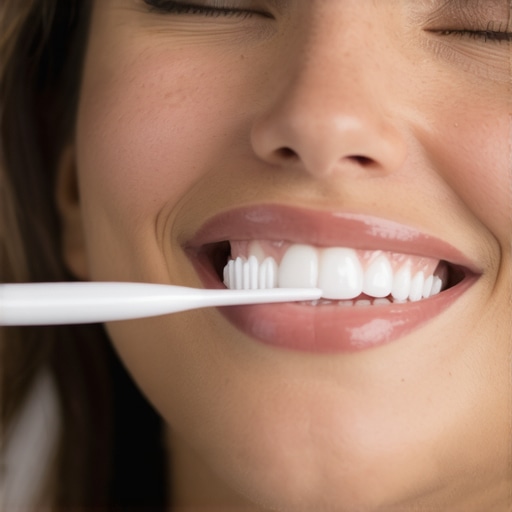 **Maintaining optimal oral health requires more than just good habits; having the right tools makes all the difference. One of my top recommendations is investing in an electric toothbrush with a pressure sensor. I personally use the Oral-B Genius X, which provides real-time feedback on my brushing pressure, ensuring I don’t damage my gums or enamel. Its oscillating-rotating technology effectively removes plaque, surpassing manual brushes in efficiency, especially when combined with a high-fluoride toothpaste like the one discussed at this resource. A reliable timer feature helps me brush for the recommended two minutes effortlessly, reinforcing consistent practice. For interdental cleaning, I prefer using waxed floss like Glide Original, which glides smoothly between tight spaces and reduces gum irritation—a common issue with thinner floss. Regular flossing significantly improves gum health and helps prevent cavities, especially around crowns and fillings. I also utilize an oral irrigator, such as the Waterpik Ultra, which is particularly beneficial for cleaning around crowns and implants. Its pulsating water stream reaches areas that traditional brushes and floss might miss, contributing to overall oral wellness. Looking ahead, the trend is leaning toward smart dental devices that sync with smartphone apps, offering personalized feedback and tracking progress over time. This integration motivates me to stay consistent with my routine because I can see tangible improvements and areas needing attention.**
How do I maintain my dental tools over time?
Proper maintenance of your dental tools prolongs their effectiveness and ensures safety. Rinse your electric toothbrush head thoroughly after each use and replace it every three months or sooner if bristles fray, as recommended by this guide. Floss should be discarded daily to prevent bacterial buildup, and the Waterpik reservoir must be cleaned regularly with vinegar or mild soap to prevent mold. Remember, investing in quality tools and maintaining them properly is a long-term commitment that pays off with healthier teeth and gums. Keep exploring innovative devices—newer models are integrating AI to analyze your brushing technique, providing real-time corrections that can dramatically improve your oral hygiene over time. For instance, the latest studies emphasize that consistent, proper use of these tools can reduce periodontal risk factors and extend the longevity of dental work like crowns, as detailed by dental experts in this article. Why not try out a smart toothbrush app today and see how technology can upgrade your routine? Your smile deserves the best—it’s worth it.
What My Experience Taught Me About Early Detection
I realized that trusting my instincts and paying close attention to subtle signs of teeth grinding in my child prevented potential long-term damage. Even small indicators like jaw soreness or unusual fussiness at night can be vital clues, emphasizing the importance of vigilant observation.
They Don’t Teach This in Dental School—Trust Your Gut
One surprising lesson was the significance of keeping detailed records and using video tools. These simple actions offered tangible proof that helped steer professional consultations in the right direction, underscoring that proactive, tech-savvy parents can genuinely make a difference.
Why Small Changes Make a Lasting Impact
Implementing relaxing bedtime routines and avoiding caffeine profoundly reduced my child’s teeth grinding. It highlighted that tiny adjustments in daily habits hold the power to preserve healthy smiles over years, reinforcing that prevention is always better than cure.
Understanding When to Seek Expert Help
Recognizing the right moment for professional intervention taught me that early consultation with a pediatric dentist can prevent costly procedures later. It’s about knowing that acting promptly can safeguard my child’s oral health and boost their confidence.
Never Underestimate the Power of Consistency
Regular follow-ups and diligent practice of good habits are key. This experience strengthened my belief that building a routine and sticking to it not only maintains oral health but also instills lifelong responsible behaviors.
Resources That Truly Made a Difference
- Family Dentistry Tips: Regular checkups and cleanings naturally prevent issues before they arise. I trust family dentistry tips for ongoing guidance.
- Effective Home Practices: Teaching my child proper brushing and avoiding sugary snacks empowered us both. The comprehensive advice at home practices became our go-to resource.
- Protecting Crowns and Restorations: Knowing how to care for dental work extends its lifespan. I found caring tips for crowns invaluable in my routine.
Believe in Your Power to Make a Difference
Real progress starts with awareness and action. By educating myself and staying committed, I can significantly influence my child’s oral health journey. Remember, each small step taken today builds a foundation for a lifetime of confident smiles. Don’t wait for problems to escalate—your proactive approach is the greatest gift you can give your child. Are you ready to take that first step? Share your experiences or questions below, and let’s support each other in fostering healthier futures for our children’s smiles.