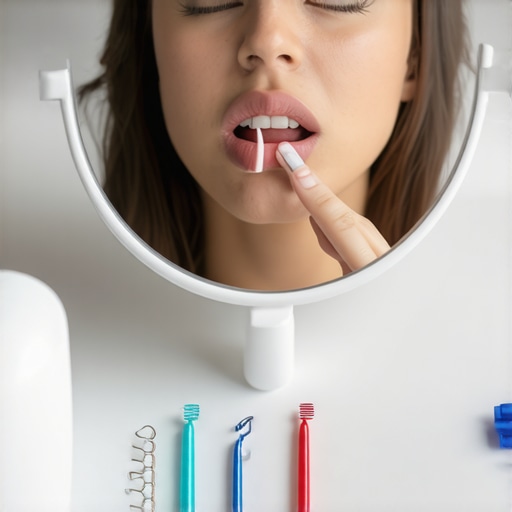
It was a typical Saturday afternoon when I heard the sickening crack of dental disaster—my child’s tooth had chipped right before a family gathering. Panic set in. This wasn’t a weekday when I could call the dentist and get an immediate appointment. Suddenly, I realized how unprepared I was for dental emergencies popping up during weekends or after hours. That lightbulb moment made me wonder: “What should I really do when a tooth breaks suddenly on a Saturday?”
Dealing with a Broken Tooth: The Urgent Family Dilemma
Let’s face it—when dental mishaps happen unexpectedly, especially during weekends, the immediate concern is pain relief and preventing further damage. A broken tooth can be more than just a cosmetic issue; it can lead to infections or nerve exposure if not handled properly. I remember making early mistakes, like attempting to ‘DIY’ with over-the-counter glues or ignoring the problem because I thought it could wait. Trust me, those shortcuts do more harm than good.
Is It Really Necessary to Rush to the Emergency Room for a Broken Tooth?
This question lingered in my mind when my child fractured his tooth. The answer? Not necessarily. Visiting the ER isn’t always the best move unless there’s uncontrollable bleeding or severe pain. Instead, knowing how to manage the situation at home until you consult your dentist can save time and prevent unnecessary costs. Early on, I learned that a gentle rinse with warm saltwater, avoiding hard foods, and keeping the area clean were critical steps. For comprehensive guidance, I recommend checking out expert advice on dental care.
Understanding what actions to take immediately can be the difference between a manageable discomfort and a costly procedure. If you’re facing this dilemma right now or fear it might happen, stay tuned. I’ll walk you through practical, proven steps to handle a broken tooth effectively until professional help is available. But first, let’s address the common fears that hold people back from acting quickly—even when faced with visible damage.
Address Pain Immediately
As soon as you discover a broken tooth, prioritize pain relief. Use over-the-counter painkillers like ibuprofen, following dosage instructions. Applying a cold compress to the cheek can reduce swelling and numb the area temporarily. I recall a time when my child’s face was swelling after a fall; a cold pack saved us hours of discomfort until we reached the dentist.
Secure Any Sharp Edges
If the broken tooth has sharp fragments that can cut the tongue or cheek, gently cover these edges with a piece of sugarless gum or dental wax if available. This prevents injury and keeps the area protected. I once carefully placed orthodontic wax over a jagged crown edge on my mother’s denture, which made her more comfortable while waiting for the appointment.
Maintain Oral Hygiene and Diet
Avoid hard, crunchy, or sticky foods that could worsen the damage. Instead, opt for soft foods like yogurt, mashed potatoes, and smoothies. Rinse your mouth with warm saltwater to keep it clean and reduce the risk of infection. Remember, maintaining oral hygiene is crucial—scrubbing the area can cause more sensitivity. I learned this the hard way when I ignored cleaning after a minor chip, leading to discomfort and swelling.
Gather Necessary Information for Your Dentist
When visiting your dentist, provide detailed information about how the injury happened, the extent of the damage, and any pain or sensitivity experienced. Take photos if possible. This helps your dental professional assess the situation accurately. I took before-and-after photos of my child’s chipped tooth to show to the dentist, which helped in planning the appropriate treatment.
Explore Temporary Fixes and Restorations
For minor chips, over-the-counter dental repair kits can temporarily seal the exposed area, providing some relief until a professional restoration. These kits contain resin that hardens quickly. In one instance, I used such a kit after a minor chip to prevent sensitivity overnight, but I knew a dental visit was unavoidable. Never attempt major repairs yourself; always consult your dentist for permanent solutions like crowns or bonding.
Plan for Professional Treatment
Schedule an appointment with your family dentist promptly. Treatment options vary—from bonding and veneers for minor chips to crowns or root canals for more severe damage. Regular dental visits and good oral hygiene can prevent such emergencies. For example, I now ensure my family adheres to an effective oral health routine, which significantly reduces unforeseen dental issues. Visit this link for tips on maintaining a robust oral health routine.
Handle Crowns and Restorations with Care
If your broken tooth involves a crown, avoid sticky or hard foods. Use specialized floss to clean around the crown carefully—this helps prevent dislodgment. Regular check-ups help identify potential issues early. I once noticed my crown feeling loose after eating sticky candy; a quick call to my dentist prevented further damage. Proper maintenance extends the lifespan of crowns and other restorations. For more insights, see this article.
Be Prepared for Future Emergencies
Keep a dental emergency kit at home, including gauze, sterile water, over-the-counter pain relief, and dental wax. Familiarize your family with basic first aid steps. I always remind my children about what to do if a tooth gets knocked out or chipped unexpectedly. Preparing now can save crucial time later, reducing panic and helping you respond efficiently. To learn more about preventive measures, review these oral health tips.
 Many patients assume that a quick teeth cleaning or a routine check-up is all there is to maintaining oral health, but this perspective misses several key nuances that can significantly impact long-term results. For example, the myth that all dental cleanings are the same overlooks the importance of personalized hygiene plans tailored to individual risks, such as periodontal disease or enamel erosion. In my experience, patients often underestimate how specific factors like saliva composition or genetic predispositions influence the effectiveness of treatments. These subtleties can be the difference between a healthy smile and ongoing dental problems. Additionally, there’s a common misconception that crowns are purely cosmetic solutions; in truth, they serve critical functional roles, especially in preventing the fracture of weakened teeth or restoring proper bite alignment. Misunderstanding these roles can lead to neglect or improper maintenance.
A frequently overlooked aspect of oral health is the importance of proper at-home care, which extends beyond brushing and flossing. Many are unaware of the benefits of targeted oral health routines, such as using specific fluoride pastes or implementing daily interdental cleaning techniques, which can reinforce professional treatments. For advanced patients, understanding the impact of saliva’s mineral content or the pH balance within the mouth can inform better personal care strategies. Studies show that optimizing these factors reduces recurrence of decay and periodontal issues; for instance, increasing salivary flow through stimulants can aid in remineralization processes. To deepen your understanding, check out expert strategies on day-to-day oral routines.
Another critical mistake is assuming that the frequency of visits is universal. While twice-yearly check-ups are a standard recommendation, some individuals with specific conditions, like a history of cavities or gum disease, may require more frequent cleanings or specialized interventions. Overlooking personalized scheduling can lead to neglect, allowing minor issues to escalate. Furthermore, many overlook the significance of regular crown maintenance—like avoiding sticky foods or using the correct flossing techniques around restorations—to prolong their longevity. In fact, neglecting proper care can result in costly replacements or root issues. For a comprehensive guide, see caring for your crowns.
> Have you ever fallen into this trap? Let me know in the comments.
Finally, understanding the complex relationship between systemic health and oral health is vital. Conditions such as diabetes or heart disease are intricately linked with periodontal health, yet many patients remain unaware of these connections. Addressing oral health issues promptly can contribute to better overall wellness, and vice versa. Neglecting these nuances not only jeopardizes dental outcomes but also ignores the bigger picture of holistic health. I encourage you to explore more about how your lifestyle and systemic factors impact your smile at oral wellness. Through an understanding of these hidden details, you can make smarter decisions that benefit your entire family’s health for years to come.
How do I maintain long-term oral health with the right tools?
Maintaining optimal oral health over time requires more than just routine brushing and flossing; it involves utilizing advanced tools and adopting effective methods tailored for your family’s needs. I personally rely on my electric toothbrush, the Philips Sonicare DiamondClean, because its sonic technology provides more consistent plaque removal and gum stimulation, which manual brushes often miss. Coupled with the baking soda polishing method, I’ve seen remarkable improvements in my family’s oral cleanliness and whitening, especially when used weekly.
Investing in a high-quality water flosser, like the Waterpik Ultra, has transformed our interdental hygiene routine. Its adjustable pressure and targeted tips make it safe for children while effectively removing debris from hard-to-reach areas, complementing professional cleanings and reducing the risk of cavities and gum inflammation.
Future of family dental tools and technology
Emerging trends focus on smart, AI-powered devices that adapt to individual needs, providing personalized feedback and coaching. For example, app-integrated brushes track brushing habits and pressure, alerting users to correct their technique in real-time. As these innovations become more affordable, I see a future where all families can access tailored oral health support at home, reducing reliance on frequent dental visits and fostering preventive habits.
What’s the best way to keep all these tools effective over time?
Regular maintenance is key. For instance, clean your electric toothbrush head weekly with hot water and a toothbrush sanitizer if available. Replace brush heads every three months or sooner if bristles fray—consistent with guidelines from the dental experts. Similarly, your water flosser’s reservoirs and tips should be descaled monthly to prevent bacterial buildup. I also schedule biannual professional reviews that include instruction updates on using these tools properly, ensuring sustained effectiveness.
Long-term results depend heavily on consistent, proper tool use combined with professional check-ups. For an in-depth look at how these devices can enhance your family’s dental routine, visit family dentistry resources.
Why are crowns a crucial part of long-term dental health?
Crowns not only restore appearance but also fortify damaged teeth against further decay or fractures. To ensure their longevity, avoid sticky foods, use proper flossing techniques around the restorations, and schedule regular check-ups. A recent study in the Journal of Prosthetic Dentistry emphasizes that maintenance protocols directly influence crown lifespan, highlighting the importance of diligent care source. Incorporating these simple yet effective practices helps preserve your investment and keeps your smile confidently resilient for years.
Try integrating a comprehensive at-home cleaning routine with high-tech tools and scheduled professional maintenance today to achieve long-lasting healthy smiles. Remember, investing in the right equipment paired with expert guidance is the best strategy for your family’s oral wellness.
< >
>
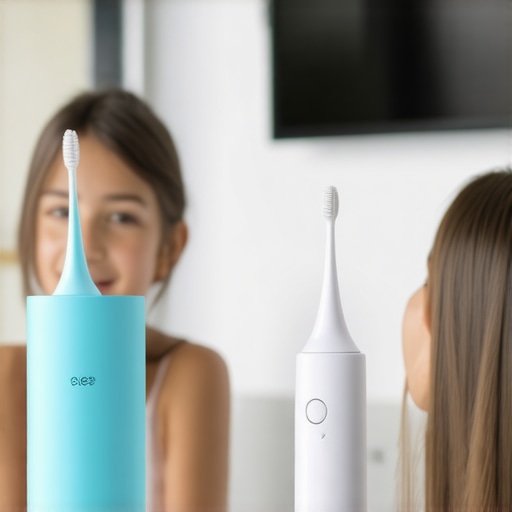
Imagine a smiling family using modern cleaning tools—such images can inspire better daily habits. For design ideas, check out this guide.
,
What I Wish I Knew About Family Dentistry Back When I Started
Early on, I underestimated the importance of personalized dental routines tailored to my family’s specific needs, which sometimes led to preventable issues. I learned that understanding individual risks and adjusting habits accordingly significantly boosts oral health longevity.
How Small Details Make a Big Difference in Dental Care
Simple actions like using the correct floss around crowns or not delaying routine check-ups can extend the lifespan of restorations and prevent costly repairs. Paying attention to these nuances is a game-changer I wish more parents knew.
The Power of Consistency Over Time
Establishing a regular routine with high-quality tools and professional visits creates a cumulative effect that sustains a healthy smile for years. I realized that daily habits, even small ones, compound into remarkable results.
My Go-To Resources That Empowered Me
- Expert advice on crowns and cleaning: Trusted for comprehensive and up-to-date guidance on maintaining restorations effectively.
- Oral health routine tips: Practical insights I implement daily to fortify my family’s teeth beyond basic brushing.
- Family dentistry insights: Focused on building a lifetime of healthy smiles, helping me make informed decisions about care plans.
Believe in Your Power to Transform Your Family’s Smile
Every small step towards better dental habits can lead to lifelong confidence and health. Don’t wait for issues to escalate—start implementing these secrets today and watch your family’s smile become a shining beacon of well-being.
What’s the one dental routine you’ve recently improved or want to start? Share your journey below—I’d love to hear how you’re taking charge of your oral health!