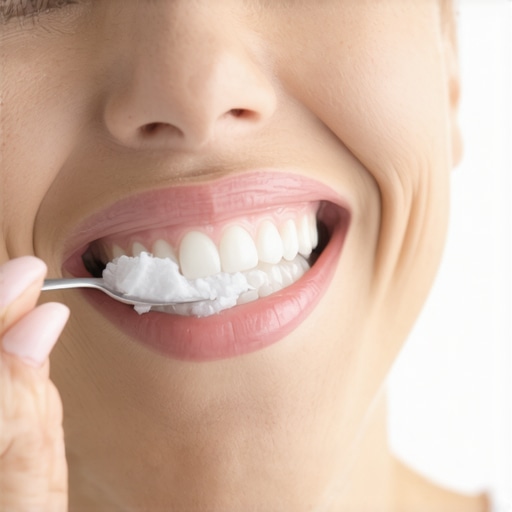
I remember the exact moment I realized my smile needed some serious help. I had just finished a cup of coffee and caught a glimpse of my reflection in the mirror. Instead of feeling confident, I was hit with a wave of disappointment. My teeth looked dull, stained, almost Forgotten. That’s when I started exploring natural remedies, and baking soda kept popping up as a quick fix. But as I delved deeper, I uncovered a mix of promising results and hidden risks.
Many of us want to brighten our smiles without spending a fortune on whitening treatments. Baking soda seems like an affordable, simple solution—familiar, even comforting. Yet, I learned early on that using it improperly can do more harm than good. It’s easy to assume that if a little bit helps, more must be better. Spoiler: that’s not true. Overusing baking soda can erode enamel, leading to increased sensitivity and even more discoloration over time.
Today, I want to share what I’ve learned through my personal experience and research. We’ll look at how baking soda interacts with your teeth, the best practices to keep your smile healthy, and what to watch out for. Whether you’re considering giving it a try or already using it regularly, this post will help you make informed choices.
Is Baking Soda Actually Worth the Hype?
Many people, including myself in the beginning, fall for the idea that baking soda is a miracle whitening potion. The truth is, it’s a powerful abrasive that can scrub away surface stains. But that abrasiveness can also wear down your enamel if you’re not careful. I made the mistake of using it daily without realizing the potential damage. Over time, I noticed my teeth becoming more sensitive, and the staining seemed to get worse. Learning about proper usage and limitations made all the difference.
If you’ve ever wondered whether this kitchen staple is really safe or effective, you’re not alone. It’s essential to understand that moderation and technique matter. Swapping out professional whitening treatments isn’t advisable, but when used correctly, baking soda can be a helpful addition to your oral hygiene routine. Curious about how to incorporate it safely? Keep reading to discover practical tips to brighten your smile without risking your dental health.
Prepare Your Workspace and Tools
Start by gathering a clean, dry toothbrush and a small bowl. Ensure your toothbrush is free of old toothpaste or debris. Wearing gloves isn’t necessary but can prevent mess if you’re cautious.
Make a Baking Soda Paste
In the bowl, mix one teaspoon of baking soda with a few drops of water until you achieve a paste with a consistency similar to toothpaste—thick but spreadable. When I first tried this, I accidentally added too much water, resulting in a runny mixture that was hard to apply and quickly washed away. Being precise helps in controlling application and reducing waste.
Apply with Care
Dip your toothbrush into the paste, ensuring it’s coated evenly. Do not scrub aggressively; instead, gently brush your teeth in circular motions, focusing on stained areas. The abrasiveness of baking soda acts like a fine sandpaper—overdoing it can wear down enamel. I learned this the hard way when I pressed too hard and noticed immediate tooth sensitivity afterward.
Limit Usage Frequency
Use this method no more than twice a week. Overuse can accelerate enamel erosion, leading to increased sensitivity and potential discoloration. Remember, baking soda is an abrasive, not a replacement for fluoride-based toothpaste. Rinsing thoroughly afterward prevents residue build-up.
Follow Up with Proper Oral Hygiene
After treatment, brush with a fluoride toothpaste to reinforce enamel. Floss regularly to remove any debris or baking soda remnants between teeth. Maintaining a balanced routine ensures your smile remains bright and healthy.
Consider Tooth Sensitivity and Crowns
If you have dental crowns or sensitive teeth, consult your dentist before trying baking soda whitening. Crowns with porcelain surfaces don’t respond to whitening agents, and abrasive scrubs can damage natural teeth more than you think. For crown maintenance and longevity, following guidelines detailed at this source is beneficial. Regular professional cleanings and adjustments help preserve your dental investments.
When to Seek Professional Help
If you notice increased sensitivity, persistent pain, or if whitening results are unsatisfactory, it’s time to see a family dentist. They can assess your overall oral health and suggest safer, effective whitening options—like in-office procedures or custom trays. For comprehensive advice on maintaining your smile, consider reviewing this article.
Many assume that consistent brushing and flossing alone guarantee optimal oral health, but the reality is more nuanced. For example, a common misconception is believing that all dentists recommend the same cleaning methods or that DIY treatments like baking soda are universally safe—yet, these can sometimes lead to more harm than good if not personalized to your needs. Overly aggressive brushing, even with soft-bristle toothbrushes, can cause gum recession, exposing roots and increasing sensitivity; this subtlety is often overlooked by those following generic advice. Additionally, many believe that dental crowns are a permanent fix, but without proper maintenance, they can deteriorate or fail prematurely, especially if patients neglect follow-up care or ignore signs of wear. For family dentistry, some think that children’s primary teeth don’t require professional screenings, but early detection of misalignments or decay in baby teeth can prevent more complex issues later. The misconception that whitening agents can be safely used without professional guidance often results in enamel erosion or irritation—advanced users know that consultation with a dentist helps choose the safest and most effective approach.
A critical but often missed aspect is understanding the importance of tailored treatments over one-size-fits-all solutions. For instance, crowns made from different materials have varying implications for durability and aesthetics; porcelain crowns, while visually appealing, might not withstand biting forces like metal ones if not selected properly. This is why consulting experts like those at this resource can help you make informed choices.
**Why Do Some Teeth Fail Sooner Than Expected**?
This question addresses the advanced understanding that factors like occlusion (bite alignment), material selection, and patient habits significantly influence the longevity of dental restorations. Even with high-quality crowns, neglecting routine check-ups or exposing restorations to excessive force can accelerate deterioration, emphasizing the need for personalized, ongoing care. According to a study published in the Journal of Prosthodontics, patients who receive comprehensive maintenance have significantly longer-lasting restorations than those relying solely on initial placement. It highlights that effective oral health isn’t only about what you do during appointments but also about consistent, informed habits between visits.
In sum, true mastery of oral health involves recognizing the subtleties that standard advice often omits. The key lies in tailored strategies, professional guidance, and avoiding pitfalls like overuse of abrasive home remedies or neglecting individual conditions. Do you ever fall into these traps? Share your experiences in the comments or consult with a professional for a personalized plan. Remember, your smile’s health is a lifelong journey that rewards expert attention and nuanced understanding.Maintaining optimal oral health requires more than just good habits; it involves using the right tools and staying consistent with them. I personally swear by my ultrasonic toothbrush cleaner, as it ensures my electric brush heads are free of bacteria, maximizing their effectiveness. Regularly replacing or disinfecting your toothbrush is crucial—dental professionals recommend doing so every three to four months to prevent the buildup of harmful microorganisms. For crowns and restorations, I use an interdental brush designed specifically for cleaning around crowns; it gently removes plaque without damaging the material, extending their lifespan. Investing in a high-quality, water flosser—like the Waterpik—has transformed my daily flossing routine, especially for cleaning tight spaces and around crowns, which traditional floss may miss. Additionally, I keep a LED dental mirror at home, inspired by dental clinic standards, to monitor areas that are hard to see, helping me catch early signs of issues. As technology advances, I predict laser dental cleaning tools will become more affordable and accessible for home use, further enhancing long-term maintenance. How do I keep my dental work and routine effective over time? I schedule bi-annual professional cleanings and check-ups to complement my daily practices, ensuring any potential problems are addressed early. Remember, high-quality tools combined with professional guidance form the backbone of lasting oral health. For tips on maintaining crowns specifically, I highly recommend reviewing these expert tips. If you haven’t already, try using a disinfection device for your toothbrush—it’s a game-changer in maintaining tool efficacy and your family’s health.
The Hardest Lesson I Learned About Oral Care and Natural Remedies
Discovering that DIY solutions like baking soda could brighten my smile also taught me to respect the delicate balance of my dental health. Rushing to find quick fixes often led to unintended consequences, reminding me that patience and moderation are key to long-term success.
Why Personal Experience Outweighs One-Size-Fits-All Advice
Each smile is unique, and what works for one person may harm another. Listening to professional guidance, especially regarding crowns and restorations, helped me avoid costly mistakes. For trustworthy insights, I recommend exploring this essential resource.
Balancing Natural Solutions with Professional Care
Integrating gentle home practices with regular dental visits has transformed my approach. Routine check-ups, combined with mindful use of tools like disinfection devices for toothbrushes, have preserved my investments in dental work. Remember, embracing both worlds can yield the best results.
Stretching Beyond the Surface—Smarter Dental Habits
Deepening my understanding of enamel, sensitivity, and crown longevity revealed the importance of tailored routines. Learning that overbrushing or improper technique can accelerate wear was a lightbulb moment. Want to explore how to refine your habits? Dive into this insightful read.
Let Your Smile Be a Reflection of Care and Knowledge
Ultimately, my experience has shown that a confident smile is built on informed choices. From the careful use of baking soda to regular professional care, every step counts. Are you ready to take control of your dental health? Share your thoughts below and start making smarter decisions today!