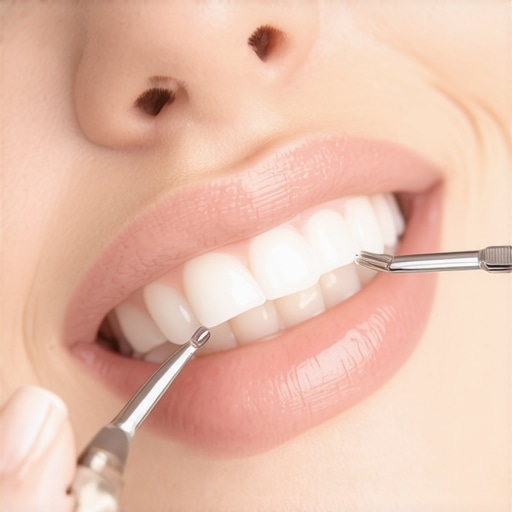
I remember the moment vividly—biting into my morning toast, I felt that sickening crunch. My stomach sank as I saw a tiny chip on my porcelain veneer; it was one of those moments that make you question everything about your beloved smile. If you’ve ever faced this startling sight, you know exactly what I mean—heart sinking, questions racing, and that instant dread of what comes next.
But here’s the thing: panic doesn’t have to dominate. In fact, understanding the very first steps to take when you chip a porcelain veneer can make all the difference between a minor fix and a major dental ordeal. When I first encountered this problem, I made a few costly mistakes—trying to ignore it or waiting too long to consult my dentist. Trust me, a little knowledge upfront can save you a lot of trouble later.
In this post, I’ll share my personal experience along with practical advice to help you handle that unwelcome surprise confidently. We’ll cover not just the immediate actions you should take but also how to navigate the potential concerns about your dental health and aesthetics. By the end, you’ll be equipped with clear, actionable steps to protect your smile.
So, if you’ve ever stared at a chipped veneer in the mirror and wondered whether it’s a disaster or a fixable mishap, keep reading. Our goal is to demystify this common issue and ensure you’re prepared for the first crucial moments after the damage occurs.
Taking Charge: Your First Response to a Chipped Veneer
Assess the Damage Immediately
As soon as you notice the chip, examine the extent of the damage—use a mirror in good lighting and check if the chip is sharp or if it impacts your bite. Remember, small chips might not be urgent but larger ones can cause discomfort or further damage. I once ignored a tiny chip, thinking it was minor, only to have it worsen over time, leading to a more complex repair.
Clean the Area Thoroughly
Gently rinse your mouth with warm water to remove debris. Use a soft toothbrush to clean around the chipped area without applying too much pressure. This step prevents infection and prepares your mouth for the next actions. During my experience, skipping this step led to irritation and delayed healing.
Protect Your Mouth from Further Injury
If the chip has left a sharp edge, cover it with dental wax or sugar-free gum to prevent cuts or discomfort. This temporary fix was crucial when I chipped my veneer during a meal, as it kept my tongue safe until I could see the dentist. Daily oral health routines can help prevent damages and reinforce your smile’s resilience.
Avoid Using Certain Products or Actions
Don’t eat hard, sticky, or crunchy foods that could aggravate the chip. Steer clear of using your teeth as tools to open packages, as this increases the risk of further damage. I learned this the hard way when I opened a bag with my front teeth, causing the chip to expand. Expert advice emphasizes the importance of gentle habits for longevity.
Contact Your Dentist Promptly
Reach out to your dentist as soon as possible to schedule an assessment. Describe the damage, and if there’s pain or sensitivity, mention it upfront. My quick call to the dental office led to a prompt appointment, ensuring the repair was minimally invasive and restoring my confidence swiftly. You can find tailored advice on caring for crowns to maintain your dental restorations.
Understand Your Repair Options
Discuss with your dentist whether the chip can be repaired with resin bonding, or if a new crown might be necessary. Knowing the differences is like choosing between patching a tire or replacing it entirely—sometimes a simple fix suffices, but other times, a complete overhaul is better. My dentist explained the advantages of porcelain crowns for long-term durability.
Implement Long-Term Preventive Measures
Strengthen your enamel and protect existing restorations by maintaining a proper oral routine. Use fluoride toothpaste, avoid abrasive brushes, and consider sealants if recommended. My visit to a family dentistry specialist included tips on avoiding future mishaps, reinforcing family dental health.
Many people operate under myths about teeth cleaning, family dentistry, and crowns that can undermine their oral health. One widespread misconception is that daily brushing is enough to prevent dental issues; however, research from the American Dental Association highlights that proper flossing and regular professional cleanings are equally vital for comprehensive care. Another mistake is believing that all teeth whitening products are safe for everyone, but some can cause sensitivity or damage, especially without professional guidance. Advanced users should consider how the nuances of enamel erosion can affect whitening outcomes; for instance, acidic foods and beverages accelerate enamel loss, making teeth more susceptible to staining and sensitivity which expert dental advice emphasizes.
A common myth in family dentistry revolves around the belief that children’s primary teeth don’t need as much attention, but early prevention of decay sets the stage for healthier permanent teeth. Ignoring early signs or delaying visits can result in costly interventions later. When it comes to crowns, many think they’re only for aesthetic purposes, but their true value lies in restoring function and preventing further decay, especially in teeth with large fillings or after root canals as explained by specialists.
It’s crucial to recognize these misconceptions because falling into these traps can lead to avoidable complications. For example, overzealous use of abrasive whitening agents can strip enamel, increasing sensitivity and wear. Conversely, neglecting routine checkups may allow minor issues to escalate; a small cavity left untreated can lead to root infections or even tooth loss. Remember, the challenges are nuanced, and a tailored approach—combining good habits with professional guidance—is the most effective strategy.
**What most people overlook involves the subtle signs of early deterioration**, like slight gum discoloration or persistent bad breath resistant to standard cleaning. These signals often go unnoticed but are vital clues. Advanced concepts such as the impact of systemic health—like diabetes or heart disease—on oral conditions underscore the importance of holistic care. Studies show that periodontal disease is linked to serious health issues, reinforcing the need for regular, comprehensive oral health routines which experts continually stress.
Finally, many underestimate the importance of choosing the right dental professional and understanding treatment options. Not all crowns are created equal; materials like porcelain, zirconia, or gold serve different needs and longevity. Being informed can save you both money and discomfort in the long run. Explore expert tips on selecting the right restoration to make confident decisions.
By recognizing these hidden nuances, you can actively prevent problems rather than just react to them. Don’t let misconceptions undermine your oral health—stay educated, ask questions, and make your dental visits count. Remember, maintaining a healthy smile is an ongoing journey, not a one-time fix.
Have you ever fallen into this trap? Let me know in the comments!Maintaining your oral health over time is a proactive process that extends beyond the dentist’s chair. One of the key strategies I personally rely on involves investing in high-quality electric toothbrushes, such as the Oral-B Genius X. I prefer this model because it offers multiple brushing modes tailored to different needs, like gum care and plaque removal, which are crucial for preserving crowns and preventing decay. Its pressure sensors alert me when I’m brushing too hard, protecting sensitive restorations and natural enamel. Additionally, I incorporate a water flosser, like the Waterpik Aquarius, into my daily routine. Unlike traditional floss, it effectively cleans hard-to-reach areas around crowns and bridges, reducing plaque buildup and preventing periodontal issues. Regular use of such tools significantly diminishes the risk of complications and extends the lifespan of dental restorations. I also utilize dental software apps that sync with my toothbrush to track my brushing habits, ensuring consistency and thoroughness. This digital oversight motivates me to maintain excellent oral hygiene, which aligns with advice from experts emphasizing long-term results here. As technology advances, smart toothbrushes with AI capabilities are predicted to become even more integrated into routine care, offering personalized feedback and early detection of potential problems. To optimize your dental routine, I recommend trying a water flosser to complement your brushing—its targeted cleaning action truly transforms your daily hygiene. Remember, investing in the right tools is a vital step toward sustainable oral health and protecting your smile for years to come.
The Hardest Lesson I Learned About Oral Health, Teeth Cleaning, Family Dentistry, and Crowns
Early in my dental journey, I underestimated the importance of consistent maintenance. I believed that occasional treatments were enough, but I soon discovered that neglecting daily routines led to unexpected setbacks, especially with crowns and restorations. The biggest lightbulb moment was realizing that my daily habits directly impacted the longevity of my dental work and overall health.
Little Known Ways to Fortify Your Smile Every Day
I found that integrating a water flosser significantly boosted my interdental cleaning. Coupled with a smart toothbrush, I gained real-time insights into my brushing habits, making daily routines both effective and engaging. These tools aren’t just gadgets—they’re investments in a resilient, beautiful smile that can withstand everyday challenges.
Emotional Power to Take Charge of Your Dental Future
Your smile is more than aesthetics; it’s a reflection of your overall health. Embrace proactive habits, seek expert advice when in doubt, and don’t shy away from asking your dentist about personalized strategies. Remember, each mindful choice today builds a foundation for a brighter, healthier future. Your dental confidence starts now—take that first step and shape the smile you deserve.