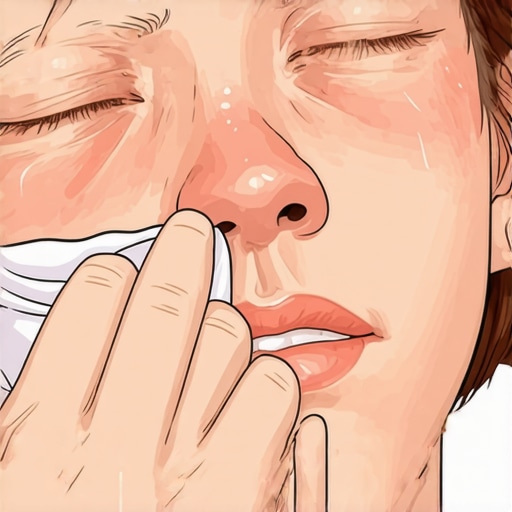
Have you ever taken a big bite of your favorite hot meal, only to immediately regret it as a fiery sensation erupts on the roof of your mouth? I remember the exact moment when I realized just how uncomfortable and alarming a burn in that sensitive area can be. One minute, I was savoring a steaming bowl of soup; the next, I was frantically searching for quick relief, desperately wishing I knew how to handle it properly. That lightbulb moment wasn’t just about discomfort—it was about learning what actually works and what doesn’t.
Why a Burned Roof of Mouth Can Feel Like a Small Crisis
Honestly, it’s that sharp, fiery pain that catches you off guard. The roof of your mouth—called the palate—is incredibly sensitive, which makes burns there feel intense and sometimes downright alarming. I’ve learned that many people ignore it or try DIY remedies that might do more harm than good. But here’s the truth: understanding how to treat this specific burn can make all the difference in recovery and comfort. If you’ve ever experienced this, you probably know how distracting the pain can be—ruining your meal, making speaking uncomfortable, or even affecting your sleep.
Could I Be Making the Situation Worse?
Early on, I made the mistake of immediately sticking my tongue on the burn — a bad move! It seemed instinctive, but I soon realized that it only aggravated the tissue and heightened the pain. Trust me, I learned the hard way that some quick fixes can backfire. That’s why I want to share reliable, practical advice based on personal experience—so you don’t have to suffer longer than necessary.
In this guide, I’ll walk you through effective ways to soothe that hot-food burn. We’ll explore simple remedies, common mistakes to avoid, and when it might be time to see a professional. My goal is to help you find relief fast and prevent complications. Curious if this is a common problem? According to recent studies, the mouth is among the top places for accidental burns from hot foods or beverages—so you’re definitely not alone. Let’s get started on making that burn better, today.
**How to soothe a burn on the roof of your mouth from hot food—this is what we’ll cover next, with practical tips to get you back to comfort quickly.**
Apply a Cold Compress to the Area
Immediately after burning your palate, I learned that pressing a cold, damp cloth or an ice pack wrapped in a soft towel against the roof of your mouth can help numb the pain and reduce swelling. I remember holding a cold chamomile tea bag for a few minutes, which provided a soothing effect. Do this gently; avoid applying ice directly to delicate tissue. The goal is to lower the temperature of the burned tissue quickly, preventing further damage and easing discomfort.
Swish with a Rinsing Solution
Next, gently rinsing your mouth with a warm saltwater solution helps keep the area clean and promotes healing. Mix about half a teaspoon of salt in a cup of warm water and swish it around for 15-20 seconds. I tried this after a burn from a hot slice of pizza, and it certainly prevented infection. Avoid using alcohol-based mouthwashes, as they can irritate sensitive tissue further.
Stay Hydrated and Avoid Irritants
Consuming plenty of cool water is crucial. I found that sipping cold water throughout the day prevents the burn from drying out and becoming more painful. Also, steer clear of spicy, acidic, or hot foods that could aggravate the injury. These irritants can delay healing and intensify pain, so I opted for bland, soft foods like yogurt and mashed potatoes until full recovery.
Use Over-the-Counter Analgesics Wisely
When the pain was intense, I used an over-the-counter pain reliever like ibuprofen or acetaminophen. Applying topical anesthetic gels designed for oral use, such as those with benzocaine, also helped numb the sensation temporarily. However, I made sure to follow the instructions and avoid overuse to prevent irritation or adverse effects.
Practice Gentle Oral Hygiene
Keeping your mouth clean without causing additional pain can be tricky. I gently brushed nearby teeth with a soft-bristled toothbrush, avoiding the burned area. Rinsing with a mild antiseptic mouthwash helped prevent infection. Remember, aggressive brushing can worsen the injury—show your mouth some extra kindness during healing.
Allow Time for Natural Healing
The body’s healing process kicks in naturally once the burn is cooled and protected. In my experience, patience is key. The tissue regenerates within a few days; however, if pain persists beyond a week, or if there are signs of infection like pus or swelling, consult a dental professional promptly. For ongoing tips on maintaining oral health during recovery, check out these oral health tips.
In the world of dental health, many assumptions persist that can lead to ineffective or even counterproductive practices. As someone deeply engaged in the field, I want to shed light on some nuanced misconceptions that often go unnoticed. For instance, a widespread belief is that frequent teeth cleanings are solely about removing surface stains. While aesthetics are part of it, recent studies highlight that consistent cleanings also play a crucial role in disrupting plaque biofilms before they solidify into tartar, which is much harder to remove and can accelerate periodontal disease (source). However, many patients underestimate the importance of timing and technique, thinking brushing alone suffices for preventing buildup. In reality, professional cleanings, complemented with proper home care, form the backbone of long-term oral health.
Common Myth: Crowns Always Look Fake and Unnatural
This is a trap that many fall into—believing that crowns are visible and artificial-looking. Thanks to advancements in dental materials and design, modern crowns can seamlessly blend with natural teeth, providing both function and aesthetics. The key is selecting the right material, such as porcelain or zirconia, and ensuring precise shading during fabrication. As I often explain in smile makeover guides, the artistry involved in crown creation has reached a level where they can be virtually indistinguishable from real teeth—if done by experienced practitioners.
Advanced Mistake: Overlooking the Role of Oral Microbiome Balance
Many assume that aggressive brushing and frequent antibacterial rinses are the best way to maintain oral health. However, this approach can disrupt the delicate balance of your oral microbiome, leading to issues like fungal overgrowth or increased susceptibility to certain infections. Recent research emphasizes nourishing beneficial bacteria through specific probiotics and maintaining a pH-balanced oral environment, which supports natural defenses (read more here). It’s a sophisticated dance—over-cleaning can be just as harmful as neglect, highlighting the importance of personalized oral hygiene routines.
How Can Overbrushing Damage Your Teeth?
It might sound counterintuitive, but excessive or harsh brushing can erode enamel and cause gum recession. This is a common mistake, especially among individuals trying to whiten their teeth aggressively. The best approach involves using a soft-bristled brush and applying gentle pressure, focusing on thorough but non-abrasive cleaning. As discussed in enamel preservation tips, the longevity of your teeth depends on protecting the enamel, which once lost, cannot be regenerated. Being aware of these fine nuances can prevent irreversible damage.
Have you ever fallen into this trap? Let me know in the comments. Remember, staying informed about the hidden truths in dental care empowers you to make smarter choices for your smile’s health and beauty.
Maintaining the longevity of dental crowns and ensuring ongoing oral health requires more than just daily brushing and flossing. Equipping yourself with the right tools and adopting effective routines can make a significant difference. Personally, I rely on a high-quality water flosser, like the Waterpik Sonic-Fusion, which combines brushing and flossing into a single, efficient device. Its adjustable pressure settings help gently dislodge plaque around crowns and bridges without damaging delicate restorations. Additionally, I use a cordless ultrasonic scaler for professional cleanings at home, ensuring that plaque and tartar buildup don’t compromise longtime results. Regular professional cleanings, complemented with these tools, are vital—many patients underestimate how crucial the timing and technique are for long-term success. For example, scheduling twice-yearly visits and requesting deep-cleaning procedures helps prevent issues that could jeopardize crowns and underlying teeth. With advances in dental technology, tools like fiber-optic LED dental scanners are increasingly in use by practitioners to monitor oral health accurately. Over time, these innovations will likely become standard at-home tools, enabling patients to track their oral health proactively. To stay ahead, I recommend incorporating a dental magnifying mirror into your routine, which allows for detailed inspection of hard-to-see areas, especially around crowns and gum lines.
How do I maintain the effectiveness of my crowns and oral health over the years? The key lies in consistent cleaning with specifically designed tools, avoiding abrasive toothpaste that can wear down restorations, and keeping up with regular dental visits. For example, applying a small amount of fluoride gel before bed—using a custom-fitted tray—can help strengthen enamel and preserve crown integrity, as supported by recent research from the American Dental Association. Remember, investing in quality tools and consistent routines not only prolongs the life of your dental work but also supports overall oral wellness. Want to give your routine a boost? Try integrating a water flosser with adjustable pressure settings and see the difference firsthand. Protect and prolong your smile, because proper maintenance is the secret to lasting results. For detailed guidance, check out these proven strategies for crown care.
The Hardest Lesson I Learned About Crowns and Family Dentistry
Early in my dental journey, I believed that a crown was a one-and-done solution. I thought if it looked perfect after placement, that was all that mattered. However, I soon realized that neglecting proper maintenance and understanding the nuances of crown care could lead to premature failures. The lightbulb moment was discovering that consistent cleaning with the right tools and regular checkups significantly extended the lifespan of crowns and overall oral health.
3 Myths About Teeth Cleaning and Oral Health That Held Me Back
One false belief I had was that brushing harder would remove more plaque. Instead, I learned that gentle, thorough brushing with a soft brush and proper technique is key. Another myth was that professional cleanings are only about aesthetics—I now understand they’re crucial in preventing periodontal issues. Finally, I used to think mouthwash alone could replace brushing and flossing. Integrating these lessons transformed my approach, ensuring healthier teeth and gums for the long haul.
What Experts Won’t Tell You About Maintaining Your Family’s Dental Wellness
Many overlook the importance of nourishing the beneficial bacteria in our mouths. I’ve come to appreciate that a balanced oral microbiome, supported by probiotics and pH regulation, plays a vital role in preventing decay and gum disease. Additionally, choosing the right tools—like a water flosser with adjustable pressure—and understanding when to seek professional advice can make a measurable difference. These insights, often omitted in quick tips, have been game-changers in my habits.
Don’t Miss Your Chance to Keep That Smile Radiant
Your dental health journey is unique and ongoing. Embrace the knowledge, tools, and routines that suit you best, and remember that consistent, gentle care built on solid understanding will serve you well for years to come. Every healthy smile starts with a commitment to thoughtful self-care and informed choices. Take action today to protect your investment in your smile’s future.