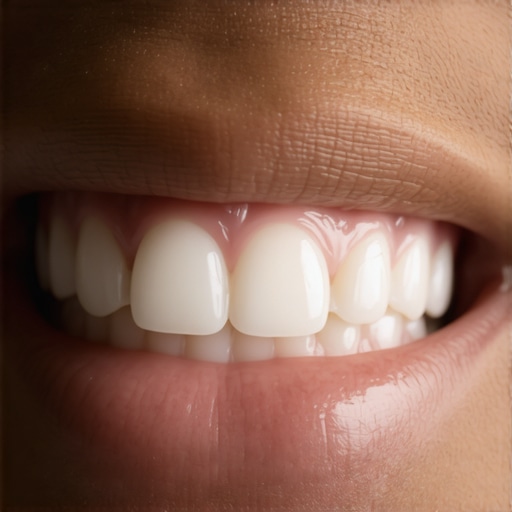
I remember the sudden realization hit me one morning: my gums weren’t just tired or puffy—they were bleeding when I brushed, and I felt a strange, persistent sensitivity that I just couldn’t ignore. It was a lightbulb moment that I was neglecting an often overlooked aspect of my health, especially with diabetes lurking in the background. That day, I learned a tough truth: managing blood sugar isn’t just about my energy levels or my weight—it directly affects my oral health, particularly my gums.
Why Diabetes and Gum Health Are Closer Than You Think
Diabetes and oral health are like two sides of the same coin—interconnected in ways that aren’t immediately obvious. High blood sugar levels can lead to increased bacteria in your mouth and reduce your body’s ability to fight infections, including gum disease. Conversely, gum infections can make it harder for your body to control blood sugar, creating a vicious cycle that’s tricky to break. If you’re diabetic, you might have already noticed some of these issues, but did you realize how profoundly they can affect your smile?
Early in my journey, I made a common mistake: I thought these gum problems were just cosmetic or minor inconveniences. I didn’t realize that untreated gum infections could escalate into serious issues like periodontitis, which can lead to tooth loss. According to the American Dental Association, people with diabetes are twice as likely to develop gum disease as those without it — a statistic that blew my mind when I first read it. The good news? There are steps you can take to protect your gums and manage both conditions effectively.
Is Your Dental Care Actually Making a Difference?
One thing I learned early on is that not all dental routines are created equal. I used to think brushing twice a day and flossing were enough, but I didn’t pay attention to how my diabetes was influencing my oral health. It was a costly mistake that could have been avoided. Regular professional cleanings, coupled with a tailored oral hygiene routine, can drastically improve gum health. Check out how regular teeth cleaning boosts your overall wellness to see what I mean.
Now, I want to share what I’ve learned—practical, manageable steps that could help you avoid the same pitfalls. But first, let’s acknowledge the skepticism many feel: “Is it really that significant?” Well, it absolutely is. Your oral health influences your overall health in ways you might not realize, and ignoring it could be costly — both financially and in quality of life. Ready to dive into how you can take control and keep your gums—and your smile—healthy for years to come?
.
Establish a Consistent Oral Hygiene Routine
Start with brushing your teeth at least twice a day using a soft-bristled toothbrush, which is gentle on your gums and prevents recession. Floss daily to remove plaque and debris from between teeth, especially in areas prone to buildup due to high sugar levels. Use an antimicrobial mouthwash to reduce bacteria that cause gum infections, but select one that is alcohol-free to avoid dryness. Remember, consistency is key—think of it as watering a plant regularly to keep it healthy. During my own routine, I set a nightly reminder to floss and brush, which helped me stay on track despite a busy schedule.
Optimize Your Dental Visits
Schedule professional cleanings every six months to remove hardened plaque (calculus) that cannot be eliminated by brushing alone. During visits, communicate openly with your dentist about your diabetes management; they can tailor treatments to minimize gum inflammation. Regular cleanings act like a tune-up for your car—preventing small issues from turning into costly repairs later. I once neglected this and experienced persistent gum bleeding; after adhering to a professional cleaning schedule, my gums visibly improved within a few sessions.
Invest in Monitoring and Managing Your Blood Sugar
Maintain blood glucose within recommended ranges to reduce excess bacteria and inflammation in your mouth. Use a glucose meter daily to track patterns and adjust your diet or medication accordingly. Sloppy control of blood sugar is like leaving the door open for infection; keeping it tight seals your defenses. Collaborate with your healthcare provider to develop a management plan that supports both your general health and oral well-being. I found that improving my blood sugar control directly reduced my gum bleeding episodes.
Be Mindful About Dietary Choices
Limit sugary and acidic foods that feed harmful bacteria and erode enamel. Opt for crunchy vegetables and dairy products rich in calcium to strengthen teeth and gums. Think of your mouth as a battlefield—cutting off the enemy’s supply lines weakens their hold. Drinking plenty of water helps wash away food particles and bacteria, maintaining a cleaner oral environment. I noticed that reducing my candy intake led to fewer cavities and healthier gums over time.
Consider Specialized Dental Devices
If you wear dental crowns, bridges, or other restorations, adhere strictly to care instructions to extend their lifespan. Use gentle cleaning tools designed for prosthetic components, like interdental brushes or water flossers, to prevent damage. Regular check-ups ensure that restorations remain secure and free of decay. For crowns and other restorations, proper maintenance is like servicing a valuable machine, ensuring longevity and optimal function. I once ignored my crown’s maintenance, which resulted in a costly replacement; learning proper care practices proved invaluable.
Harness the Power of Targeted Treatments
In some cases, professional interventions like scaling and root planing are necessary to remove deep-seated plaque and infected tissue. These procedures are akin to deep cleaning your house—getting into the corners your regular routine misses. If gum disease persists, your dentist might recommend adjunct therapies, such as antimicrobial lasers. Staying proactive with these treatments prevents minor issues from escalating into severe periodontal disease. I experienced a significant improvement after a deep cleaning combined with improved daily habits, which kept my gum inflammation at bay.
Educate Yourself and Stay Consistent
Learn about the signs of gum disease and monitor your oral health daily—look for bleeding, swelling, or redness. Use a mirror to inspect your gums regularly, making it a habit as natural as checking the weather. Consistency in your daily practices amplifies their impact; skipping even one day can undo progress. I developed a checklist for my morning and evening routines, which kept me aware and motivated to maintain my oral health for the long run.
Many people believe that frequent teeth whitening or aggressive brushing alone can maintain optimal oral health, but these practices can sometimes do more harm than good if misunderstood. For instance, overusing whitening products without professional guidance can cause permanent enamel erosion, leading to increased sensitivity and decay. It’s a misconception that brushing harder will remove more plaque; in reality, aggressive brushing damages gums and wears down tooth surfaces, setting the stage for periodontal issues. To truly protect your family’s smiles, understanding nuanced practices is essential.
Another hidden nuance is the importance of tailored dental care, especially concerning crowns. Many assume that once a crown is placed, minimal maintenance is needed. However, neglecting proper cleaning around crowns and avoiding regular check-ups can precipitate decay at the tooth-structure interface, ultimately risking crown failure. Regular visits and specific cleaning techniques, like using interdental brushes, are critical for crown longevity, as detailed in this comprehensive guide.
A common myth is that family dentistry should only focus on children, but adolescents and adults equally benefit from specialized care that considers evolving dental needs. Overlooking this nuance can lead to missed opportunities for early intervention of issues like malocclusion or early signs of gum disease.
For those seeking advanced insights, consider how the timing of dental procedures interplays with systemic health. Early interventions, such as timely crown replacements or deep cleanings, can prevent complex health issues down the line. For example, regular professional cleaning not only preserves oral health but also correlates with reduced cardiovascular risks.
Be cautious of the trap of complacency: believing that brushing and flossing alone will prevent all dental issues. Supplementing routine care with professional assessments ensures that small problems don’t escalate into costly treatments. Recognizing the importance of specialized care for crowns, and not just relying on everyday routines, underpins long-term dental health.
Have you ever fallen into this trap? Let me know in the comments and share your experiences. Remember, truly understanding these nuances helps in making informed decisions that protect your family’s smiles for years to come.
How do I maintain my oral health routine over time
Maintaining your dental care tools is crucial for long-term oral health. I swear by using a sonic toothbrush like the Philips Sonicare ProtectiveClean because its high-frequency vibrations effectively remove plaque without damaging delicate gums. Regularly replacing brush heads — every three months or when bristles fray — keeps cleaning optimal and prevents bacteria buildup. To keep your tools in top shape, I recommend sterilizing interdental brushes and water flossers weekly with disinfectant solutions, which minimizes infection risk.
For evaluating your daily cleaning effectiveness, I use smart plaque disclosing tablets. These reveal residual plaque, guiding improvements in your technique. Incorporating such visual feedback ensures you’re not just brushing, but brushing correctly, especially around crowns or bridges, where plaque tends to accumulate unnoticed.
Tools I recommend for family dental health
Investing in specialized tools like ultra-soft toothbrushes and interdental brushes tailored for children and adults alike creates a comprehensive home care system. For crowns, proper cleaning tools prevent decay at the margins. I also use a quality warm water irrigator, such as the Waterpik, to flush out debris — a game-changer for anyone with Crowns or bridges.
Looking ahead, the trend is shifting toward AI-enabled oral care devices that analyze brushing habits and suggest adjustments in real-time. Experts like Dr. Mark Borgies note that integrating such smart technology can boost long-term compliance and effectiveness, especially in busy households. Imagine receiving personalized feedback on your technique directly from your toothbrush via a companion app—a futuristic yet attainable goal.
What is the best way to keep my dental tools working efficiently
Beyond regular cleaning, store your tools properly—preferably in open, dry containers that prevent mold and bacteria from thriving. Also, schedule routine checks and replacements for your electric toothbrush batteries or heads, as their performance diminishes over time. Research in the Journal of Dental Research emphasizes how consistent maintenance extends device life and preserves cleaning efficacy. Start implementing one new maintenance habit today, like sterilizing your interdental brushes, to elevate your family’s oral care game.
Hidden Lessons from My Own Dental Journey
One of the most profound insights I gained was realizing that maintaining healthy gums isn’t just about brushing and flossing; it’s about understanding the intricate connection between systemic health and oral hygiene. I once believed that if I kept my teeth clean, my gums would stay healthy, but I learned the hard way that overlooked nuances—like the importance of professional cleanings and tailored care—can lead to long-term issues. Now, I know that small habits, like proper tool maintenance and being aware of early signs, make a monumental difference in preserving my smile.
Another lightbulb moment was discovering that even seemingly minor issues—such as gum bleeding or sensitivity—can signal underlying health concerns, especially with diabetes. Ignoring these signs only paved the way for more severe problems, including gum disease and tooth loss. Embracing routine check-ups and understanding the specifics around crowns and restorations have empowered me to stay ahead of potential complications.
Tools and Resources That Transformed My Approach
Over time, I’ve found that investing in quality dental tools, like sonic toothbrushes and interdental brushes designed for crowns, genuinely elevates my oral care routine. I trust proper crown maintenance guides and recommend learning about the latest innovations, including smart devices that analyze your brushing habits in real-time. These resources help me stay informed and motivated to uphold consistent, effective practices.
Additionally, books like Teeth Cleaning Secrets for Family Dental Health have deepened my understanding of holistic oral wellness and how to integrate simple yet impactful habits into daily life. Surrounding myself with credible information enables me to make smarter choices for myself and my family’s smiles.
Fostering Confidence and Taking Charge
The most inspiring realization is that proactive care leads to lasting confidence. Small, consistent actions—like scheduling regular professional cleanings and educating myself about proper crown care—can prevent costly repairs and health issues down the line. My journey showed me that embracing a comprehensive approach to family dentistry and oral health isn’t just about avoiding problems; it’s about transforming my mindset to prioritize my overall well-being.
Now, I challenge you to reflect: what’s one small change you can make today to better protect your smiles? Your dedication could be the key to lifelong confidence and health.