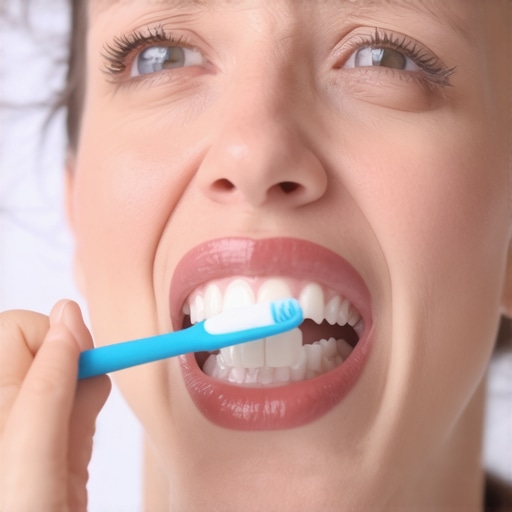
I remember the first time I aggressively scrubbed my teeth with baking soda, thinking I was doing a great job at whitening my smile. Instead, I ended up with sensitive teeth and a slightly irritated gum line. That lightbulb moment made me realize how common practices can sometimes hide hidden risks. Many of us turn to baking soda as a quick, cheap fix for brighter teeth, but what isn’t immediately obvious are the potential dangers lurking beneath this seemingly innocent powder.
In this post, I’ll share what I’ve learned through personal experience and research. If you’ve ever wondered whether that baking soda scrub is truly safe or whether it’s doing more harm than good, you’re in the right place. We’re going to explore the real risks and how to maintain a healthy, beautiful smile without unintended consequences.
Why Baking Soda Might Be Sabotaging Your Smile
While baking soda has natural abrasive properties that can remove surface stains, using it too frequently or improperly can erode your enamel—the protective layer that keeps your teeth strong and resistant to decay. This erosion can lead to increased sensitivity, discoloration, and even issues with your dental crowns or fillings.
Early in my own journey, I made the mistake of assuming more abrasive means better cleaning. That was a slip-up I regret, as I didn’t realize how delicate enamel really is. Enamel erosion isn’t just about aesthetics; it can compromise your overall oral health. Studies show that frequent, aggressive brushing with abrasive substances can accelerate enamel loss and promote cavity formation (source: American Dental Association).
If you’re considering natural remedies or home treatments for teeth whitening or cleaning, it’s essential to understand the potential pitfalls. The goal isn’t just a brighter smile, but a healthier, longer-lasting one. So, how do we strike the right balance?
Let’s find out. But first, has this ever happened to you—scrubbing away with baking soda only to experience increased sensitivity afterward? If so, you’re not alone, and you’re not imagining things. Keep reading to learn the subtle signs of damage and how to protect your teeth while maintaining your desired brightness.
Brush Smart, Not Hard
Start by choosing the right toothbrush; opt for a soft-bristled brush to prevent unnecessary enamel wear. When applying baking soda, dampen your toothbrush slightly to avoid excessive abrasiveness. Use gentle, circular motions for no more than twice a week to minimize enamel erosion. I learned this the hard way after causing minor gum irritation during overzealous scrubbing, which reminded me of the importance of gentle techniques.
Limit Exposure and Duration
Keep your brushing sessions brief—about two minutes—to reduce enamel stress. Remember, baking soda is abrasive; prolonged exposure prolongs contact with your enamel, increasing wear risk. I once spent five minutes scrubbing with baking soda, leading to increased tooth sensitivity the next day—a clear sign I was pushing my enamel too far. Setting a timer can help monitor your routine precisely.
Avoid Overuse and Combine with Proper Oral Hygiene
Do not rely solely on baking soda for cleaning; integrate it into a comprehensive oral health routine that includes flossing, rinsing, and regular professional cleanings. After trying baking soda once a week, I noticed my teeth maintained their whitening without sensitivity, especially when coupled with daily flossing from [Family Dentistry](https://periodontistcare.com/family-dentistry-focus-building-a-lifetime-of-healthy-smiles). This holistic approach ensures that abrasive cleaning doesn’t compromise your overall oral health.
Use as a Supplemental Whitening, Not a Substitute
Reserve baking soda for surface stain removal and not as a primary cleaning agent. Consider whitening treatments recommended by your dentist, particularly if you have restorations like crowns or veneers. I recall attempting to whiten my crowns with baking soda, which was ineffective and risked damage; a discussion with my dentist clarified this limitation. Visit [How Crowns Can Transform Your Dental Confidence](https://periodontistcare.com/how-crowns-can-transform-your-dental-confidence) to understand how to protect them while maintaining a bright smile.
Consult Your Dentist Regularly
Schedule routine dental check-ups to monitor enamel health and address any issues early. Dentists can recommend specialized whitening or cleaning methods that preserve your teeth’s integrity. My own experience highlights that professional assessments can prevent minor erosion from escalating into significant problems, making regular visits a vital step toward healthy teeth.
 Many people assume that family dentistry is just about routine cleanings and basic cavities, but there’s much more beneath the surface. A common myth is that all dental crowns are created equal; however, the material choice and placement technique significantly impact longevity and aesthetics, as I’ve learned through years of practice. For example, porcelain-fused-to-metal crowns may seem durable, but they can cause gum discoloration over time if not properly managed (learn more about [how crowns transform your confidence](https://periodontistcare.com/how-crowns-can-transform-your-dental-confidence)).
Another overlooked aspect is the proper timing for replacing dental restorations. Many believe waiting until a crown falls off is sufficient, but proactive monitoring and early intervention can prevent more extensive damage. Regular check-ups with advanced imaging allow dentists to detect subtle issues, like micro-cracks or secondary decay, which even keen patients might miss. Skipping these routines can lead to irreversible damage, sometimes forcing costly replacements.
It’s also a misconception that oral health routines are a one-size-fits-all. For instance, individuals with receding gums need tailored cleaning strategies because aggressive brushing with standard techniques can exacerbate gum recession, undermining overall health (see tips on [caring for crowns](https://periodontistcare.com/caring-for-crowns-essential-tips-for-longevity-and-shine)). Moreover, the materials used in crowns and fillings can interact differently with various foods and habits, influencing their lifespan. Understanding these nuances empowers patients to make informed decisions, ensuring their smile remains healthy and beautiful.
A sophisticated question many ask is: How does the choice of crown material affect long-term oral health? Research indicates that zirconia crowns, for example, offer superior strength and biocompatibility, reducing allergenic risks and wear on opposing teeth (check [why zirconia is the gold standard](https://periodontistcare.com/why-zirconia-is-the-gold-standard-for-back-teeth-crowns)). This choice may seem minor but can have lasting effects over decades.
Finally, don’t underestimate the importance of comprehensive family dentistry beyond just fixing problems. Preventive measures like fluoride treatments, sealants, and tailored oral hygiene routines are vital but often overlooked. Establishing a proactive approach with your family dentist ensures that issues are caught early, saving money and discomfort in the long run. Consider integrating these strategies into your daily routine by exploring [oral health routine tips](https://periodontistcare.com/oral-health-routine-strengthening-your-smile-every-day).
Have you ever fallen into this trap of oversimplifying dental care? Let me know in the comments, and remember: understanding these hidden nuances can make all the difference for your family’s lifelong oral health.
Keep Your Smile in Top Shape with the Right Tools
Maintaining family oral health over time requires consistency and the right equipment. Personally, I swear by using a high-quality water flosser because it ensures thorough cleaning even around crowns and braces. Unlike traditional floss, a water flosser helps dislodge debris from hard-to-reach areas, reducing plaque buildup and preventing periodontal issues. I recommend models like the Waterpik Ultra, which offers variable pressure settings to tailor your cleaning experience.
Regular Professional Evaluations Are Indispensable
While home tools keep your teeth clean daily, scheduling routine visits with your trusted dentist is vital for detecting early signs of wear or decay. During these visits, I request digital scans that provide detailed imaging of my crowns and teeth roots, allowing my dentist to spot micro-cracks or secondary decay early. These assessments are key for long-term success, especially when you rely on crowns or complex restorations. For comprehensive guidance, check out this article.
Optimize Your Oral Hygiene Routine Every Day
Incorporate advanced oral hygiene products into your daily routine. For instance, I use a high-fluoride toothpaste like Colgate’s Total SF, which provides added protection for exposed dentin and helps preserve enamel integrity. Additionally, I rely on a tongue scraper daily to remove bacterial buildup, improving both oral health and breath freshness. A consistent routine that includes these tools minimizes plaque accumulation and supports the longevity of restorations and natural teeth alike. Learn more about effective daily practices at this link.
What We Can Expect to See in the Future
The evolution of dental technology is promising. I predict that smart toothbrushes with embedded sensors and AI integration will offer real-time feedback, revolutionizing home care. These devices can detect areas that need extra attention, ensuring comprehensive cleaning that complements professional treatments. As the landscape advances, staying updated on these innovations can help families maintain their smiles for decades.
Curious About Long-Term Maintenance Strategies?
Ask yourself: How do I maintain my crowns and overall oral health over time? One effective method is scheduling annual professional evaluations combined with proactive at-home routines. Incorporate tools such as water flossers, fluoride pastes, and tongue scrapers into your daily habits. For more tailored advice, consult your dental professional or explore resources like this page. Taking consistent, targeted steps today can save you from costly repairs tomorrow. Try integrating a water flosser into your routine, and see the difference it makes in your family’s dental health!
Bad Habits That Cost Me More Than I Expected
I used to believe that aggressive teeth cleaning was the path to a brighter smile. It took a few sensitive episodes and gum irritations to realize that overconfidence in DIY methods could damage my oral health. The lesson? Gentle, informed techniques trump reckless scrubbing. I learned that consulting professionals and respecting your teeth’s limits can save you from costly repairs and discomfort.
Tools That Made a Difference in My Family’s Oral Routine
After experimenting with various tools, I found that a high-quality water flosser significantly improved my nightly routine, especially around crowns and braces. Pairing it with a soft-bristled toothbrush and fluoride toothpaste from trusted brands changed the game. These tools are my go-to essentials because they’ve proven effective and gentle, aligning with the goal of preserving long-term oral health.
Embracing Professional Guidance for Longevity and Shine
Monthly professional cleanings and regular check-ups helped me catch minor issues before they became serious. Expert advice on caring for crowns and understanding the nuances of restorations was invaluable. This continuous learning journey highlights the importance of staying connected with your dentist—not just for fixes but for proactive maintenance that safeguards your smile for decades.
How My Perspective on Family Dentistry Has Evolved
Initially, I viewed routine dental visits as mere checkups. Now, I see them as opportunities to learn personalized strategies—like tailored oral hygiene routines and dietary tips—that truly resonate with my family’s needs. This shift in mindset underscores the benefit of building a lasting relationship with your dental care team, turning routine visits into investments in lifelong oral wellness.
Making an Impact: Sharing What Works for Me
I’ve come to appreciate that small daily habits, when combined with professional advice, wield the power to transform oral health. Whether it’s avoiding abrasive powders like baking soda or scheduling regular assessments, every step counts. My hope is that by sharing these insights, others feel empowered to take control of their dental journey, realizing that consistent, informed care brings lasting rewards.