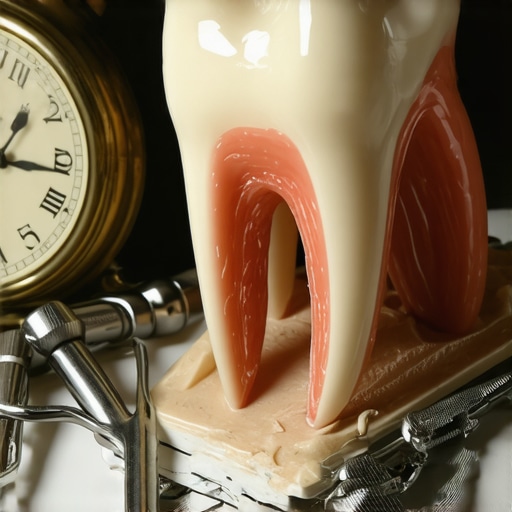
It was late at night when I finally realized I couldn’t ignore the throbbing in my molar anymore. What started as a dull ache had escalated into sharp, relentless pain, forcing me to sit upright in bed. In that moment, I understood—delaying a root canal wasn’t just about avoiding the dentist; it was about risking much more than a simple procedure. This lightbulb moment made me reflect on how often we postpone dental treatments, thinking it’s just a minor inconvenience that can wait.
Why Putting Off That Root Canal Could Cost You Big Time
If you’ve ever faced a persistent toothache, you know how quickly it can become the center of your world, disrupting sleep, work, and daily activities. But here’s the truth I learned the hard way: what seems like a small delay can lead to significant problems down the line, including infections, abscesses, and even tooth loss. The main reason is that a root canal isn’t just about saving a tooth—it’s about preventing the spread of infection that can impact your overall health. According to studies, untreated dental infections can lead to serious complications, even affecting your heart health (more on oral health and systemic health).
Is It Really Worth the Hype to Get a Root Canal?
Now, I know what some of you might be thinking—”Isn’t a root canal just a painful procedure?” or “Can I really afford to take time off for it?” Believe me, I was skeptical too. My early mistake was assuming I could ignore the pain, hoping it would go away on its own. That’s a common misconception. The truth is, waiting can turn a simple fix into a costly nightmare, both financially and physically. Regular checkups and early action not only save you money but also spare you a lot of unnecessary suffering. If you’re curious about how to maintain your dental health and avoid such pitfalls, it’s worth exploring expert advice on crowns and teeth cleaning for lasting results (this guide).
If any of this sounds familiar—if you’ve ever postponed dental care only to face more severe issues later—you’re not alone. The good news is, with the right knowledge and proactive steps, you can prevent your dental health from spiraling out of control. So, in the upcoming sections, I’ll walk you through the essential reasons why addressing a toothache promptly can save more than just your smile—it’s about safeguarding your overall well-being. Ready to learn how to protect yourself from escalating costs and pain? Let’s dive into the practical strategies that make all the difference.
Master Your Oral Hygiene Routine for Lasting Results
Start with a consistent daily routine that includes brushing at least twice a day using fluoride toothpaste. Personally, I replaced my old manual brush with an electric one, which made cleaning more effective, especially around crowns and curves. Remember, gentle circular motions are key, not aggressive scrubbing. Once you finish brushing, use a tongue scraper to remove bacteria that cause bad breath and maintain overall oral freshness. Regular use of a scraper improves taste and reduces plaque buildup, contributing to healthier gums and teeth (learn more about daily oral routines).
Integrate Flossing Effectively Into Your Routine
Flossing might seem tedious, but it’s essential for cleaning between teeth and beneath the gums. I once neglected flossing and noticed my gums bleed slightly during professional cleanings; once I adopted daily flossing, bleeding reduced significantly. Use a gentle sawing motion to slide the floss between teeth, curving it around each tooth’s base. Consider water flossers if manual floss proves challenging; they are gentle yet effective at removing debris from hard-to-reach places (see how water flossers can help).
Schedule Routine Dental Checkups and Cleanings
Visiting your dentist regularly—at least every six months—prevents small issues from escalating into big problems. During my routine checkup, the dentist identified early signs of gum disease, which we addressed immediately with targeted cleaning. These visits include professional cleaning, which removes stubborn plaque and tartar that brushing alone can’t eliminate. Skipping checkups allows plaque to harden into tartar, leading to potential cavities and periodontal issues (discover why routine cleanings matter).
Utilize Expert Advice for Crown and Dental Care
If you have crowns, implants, or fillings, proper maintenance is vital for their longevity. I personally learned that using a non-abrasive toothbrush and avoiding incredibly hard bristles prevents damage to crowns. For added protection, regular checkups ensure that restorations remain intact and function properly. Specialists recommend using specific products designed for crown maintenance, like gentle floss threaders or interdental brushes (see expert tips for crown care). Additionally, avoid products with irritating chemicals that can weaken dental work.
Address Tooth Sensitivity Without Delay
Experiencing sensitivity after routine cleaning or exposure to hot and cold foods? This might indicate enamel erosion or gum recession. I once ignored mild sensitivity, which worsened over time until I started using desensitizing toothpaste and scheduling an eval with my dentist. They recommended sealants and fluoride treatments, which strengthened my enamel and reduced discomfort. Acting promptly prevents further deterioration and preserves tooth health (learn about managing sensitivity).
Incorporate Family Dentistry Practices
Maintaining everyone’s dental health in your household requires consistent routines and regular visits. I found that involving my kids in brushing and flossing, along with choosing child-friendly dental products, made dental care less of a chore. Regular family dental visits foster early detection of issues like cavities or misalignment, saving money and discomfort later. Family dentistry emphasizes education and shared responsibility, ensuring every member understands the importance of good habits (view family dentistry strategies).
When it comes to dental crowns and general oral health, many assume that once a crown is placed, their part is done. However, this misconception can lead to overlooked issues that compromise your investment and health. Contrary to popular belief, not all crowns are created equal, and improper maintenance or assumptions about their durability can cause serious problems. For instance, a common myth is that crowns are completely maintenance-free; in reality, neglecting proper oral hygiene around crowns can result in decay at the crown margins, leading to costly repairs (learn about caring for crowns).
Building a Reliable Toolkit for Oral Health
Maintaining your dental health over time requires more than just regular visits; it involves using the right tools and techniques tailored to your needs. I personally rely on an ultrasonic water flosser because it effortlessly removes plaque from hard-to-reach areas around crowns and implants, which traditional floss sometimes misses. Specifically, I use the Waterpik Ultra Water Flosser, which has adjustable pressure settings and multiple tips designed for different needs (learn about effective cleaning methods). This device not only improves my daily routine but also helps prolong the life of my restorations.
Why Invest in a High-Quality Oral Care System
Choosing quality over cost is crucial if you’re serious about long-term results. I recommend using an electric toothbrush with a sonic cleaning action, such as the Sonicare DiamondClean. Its oscillating technology ensures thorough plaque removal, optimizing gum health, especially around crowns and veneers. I’ve noticed a significant decrease in gum bleeding since switching to this device, which underscores the importance of effective mechanical cleaning (discover more about crown-friendly tools). Remember, pairing mechanical tools with proper technique maximizes benefits.
Integrating Diagnostic and Monitoring Software
To stay ahead of potential issues, I utilize a specialized oral health app that tracks my brushing and flossing habits, provides reminders, and even allows me to schedule checkups. Advanced software like Oral-B’s app syncs with compatible toothbrushes, providing real-time feedback and data analysis. This technology makes it easier to identify patterns that could lead to long-term problems and adjust routines proactively (see how monitoring tools support crown care). Embracing digital health solutions empowers you to take control of your oral hygiene effectively.
How do I keep my dental tools effective over time?
Regular maintenance of your tools is key. I clean my water flosser tips weekly with isopropyl alcohol and replace the tips every three to six months. My electric toothbrush heads also get replaced four times annually, as recommended by manufacturers. Proper storage and avoiding contamination help prevent bacteria buildup and preserve their efficacy. Remember, neglected tools not only diminish in performance but could also introduce bacteria, risking reinfection or decay (proper tool maintenance is essential). Try setting a recurring reminder to replace your flossing tips; it’s a simple step with profound benefits.
The Future of Dental Maintenance Technology
Looking ahead, I believe we’ll see even smarter devices integrated with AI that can analyze your oral health trends and suggest personalized routines. Innovations in saliva-based diagnostics could offer early warnings for cavities or gum diseases before symptoms even appear (future tech in oral diagnostics). Embracing these advancements means your routine will become more efficient and predictive, ultimately improving your long-term dental outcomes.
One advanced tip I recommend trying today is integrating a high-tech water flosser with customizable pressure settings into your routine. Feel the difference it makes in cleaning around crowns and implants—trust me, your future self will thank you. Stay committed to updating your tools regularly, and you’ll keep your smile healthy and bright for years to come.
The Hardest Lesson I Learned About crowns,oral health,teeth cleaning,family dentistry
I realized too late how crucial consistent maintenance is for crowns and overall oral health. Neglecting proper hygiene around restorations can lead to decay and costly repairs, teaching me that proactive care beats reactive fixes every time.
3 Myths About crowns,oral health,teeth cleaning,family dentistry That Held Me Back
Believing that crowns are maintenance-free or that children’s dental visits aren’t urgent was a mistake. Dispelling these myths early helped me understand that regular checkups and proper tools protect long-term investments in my family’s smiles.
What Experts Won’t Tell You About crowns,oral health,teeth cleaning,family dentistry
Most don’t realize how vital personalized routines are. Using the right toothbrush, flossing techniques, and monitoring tools makes a significant difference, something I discovered after consulting with specialists and sharing my experiences.