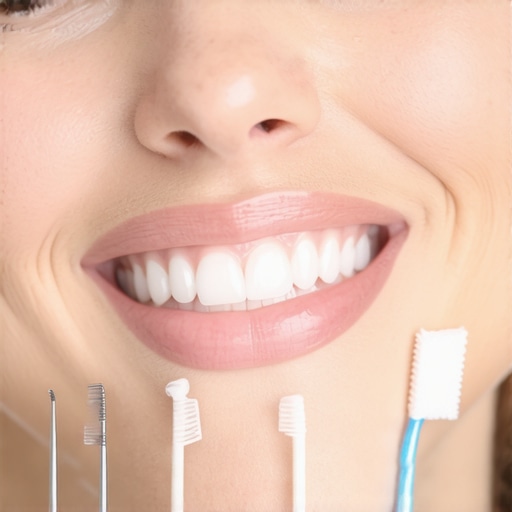
I remember the first time I went for a professional whitening session. I was so excited—finally, my smile would sparkle like those magazine photos. But, as soon as the whitening agents touched my teeth, a wave of sharp, jarring pain shot right to my nerves. It was like my teeth had a secret rebellion, protesting the brightening process. That lightbulb moment made me realize just how tricky tooth sensitivity can be during whitening treatments, and how important it is to handle it carefully.
How to Brighten Your Smile Without the Pain
If you’ve ever experienced that uncomfortable jolt every time you sip a cold drink after whitening, you’re not alone. Managing tooth sensitivity isn’t just about comfort—it’s about protecting your enamel and maintaining the health of your teeth while achieving that gorgeous, gleaming smile. Today, I’ll share practical tips and personal insights to help you navigate professional whitening safely and effectively, so you can enjoy your brighter smile without the dread of sensitivity.
Is Teeth Whitening Actually Worth the Hype?
Many people, myself included, initially thought whitening was just a cosmetic gimmick. But did you know that a confident, white smile can positively impact your self-esteem and even influence first impressions? However, rushing into whitening without proper precautions can lead to more harm than good. I learned early on that a common mistake is neglecting the importance of pre-treatment consultation—something I overlooked. Taking the time to understand your teeth and choosing the right approach with your dentist can make all the difference. Want to learn how to avoid unnecessary discomfort and get the most out of your whitening? Keep reading, and I’ll guide you through the essentials, including how to minimize sensitivity and protect your smile long-term.
Expert advice on crowns and teeth cleaning can also help you maintain overall oral health during and after whitening treatments, making sure your smile stays vibrant and healthy for years to come. Ready to discover the secrets? Let’s dive into what really works for sensitive teeth during whitening, so you can confidently show off that luminous smile.
Prep for Success: Consult Your Dentist First
Before diving into whitening treatments, schedule a comprehensive dental exam. Think of this step as insuring your teeth against potential damage—just like a pilot checks weather conditions before a flight. During my last whitening attempt, I skipped this step, which led to unexpected sensitivity. My dentist identified areas of enamel erosion, suggested appropriate treatments, and advised on suitable whitening options. For personalized guidance, you can contact your dental professional. This proactive approach ensures you’re choosing a method aligned with your dental health, significantly reducing discomfort during and after the procedure.
Choose the Right Whitening Method and Products
Not all whitening products are created equal—some are gentler, especially for sensitive teeth. I experimented with over-the-counter whitening gels labeled ‘for sensitive teeth,’ which contain lower peroxide concentrations. Think of this as choosing a mild soap over a harsh chemical cleaner; it cleans without damage. When applying, avoid overusing or overlapping each session, as excess can exacerbate sensitivity. For deeper insight, read about how to select safe whitening products. Remember, consistency and moderation are key to avoiding the ‘ouch’ moments.
Implement Protective Measures During Treatment
Use a desensitizing toothpaste like sensitivity relief brands two weeks prior to whitening. It acts as a shield—akin to applying a fence to keep out intruders—prepared to minimize nerve exposure. I adopted this routine, and it noticeably dampened the initial shocks during sessions. Additionally, applying a fluoride gel or gel-based desensitizer recommended by your dentist can create a protective barrier. During the whitening process, consider using custom-fit mouthguards filled with desensitizing agents, which can be custom fabricated. This method helps evenly distribute agents and shields your gums and teeth from harsh agents. For optimal results, follow guidance from dental professionals on protective measures tailored for your situation.
Adjust Lifestyle Habits to Support Your Whitening Goals
Post-treatment, avoid acidic and highly pigmented foods or beverages that can trigger sensitivity or stain your teeth. Think of this as giving your freshly painted wall a protective coat; it preserves the brightness. I made a habit of drinking through a straw and rinsing my mouth with water after consuming coffee or red wine. Incorporate regular gentle brushing with a toothbrush designed for sensitive teeth, emphasizing the importance of avoiding hard bristles that can wear down enamel. Regularly scheduled professional cleanings also play a vital role; they keep your teeth free of tartar and external irritants, reducing the likelihood of sensitivity flare-ups. To understand how dental maintenance influences whitening longevity, check out the benefits of professional cleanings.
Maintain Long-Term Care to Keep Sensitivity at Bay
Long-term management involves routine practices: daily flossing, using fluoride rinse, and avoiding abrasive toothpaste. Think of your enamel as a muscle—consistent care keeps it strong. Scheduling bi-annual professional evaluations helps catch issues early before they escalate. Applying high-fluoride treatments when recommended can further reinforce enamel. Remember, the foundation of a bright smile is healthy teeth; whitening is simply the polishing. For more detailed strategies on preserving your smile, explore daily oral health routines. Consistency in these habits ensures your progress in whitening doesn’t reverse due to neglect or exposure to damaging habits.Many people assume they understand the basics of oral health, but beneath the surface lie misconceptions that can hinder proper care. For example, the belief that whitening treatments damage enamel is widespread, yet research shows that when done properly, professional whitening is safe and effective according to dental experts. A common trap is over-relying on over-the-counter products without consulting a family dentist, which can lead to ineffective results or even harm. Also, some think that flossing is optional if brushing is thorough, but studies confirm it’s essential for removing plaque deposits between teeth for comprehensive cleaning. One nuance often overlooked is that crowns are not just cosmetic fixes—they play a crucial role in restoring tooth function and preventing further decay. Many misjudge their longevity or proper care, risking premature failure. Regular check-ups ensure crowns and other restorations remain in optimal condition—neglecting these can lead to unnecessary repairs as outlined here.
Question for advanced readers: How does the biological response to dental restorations influence their lifespan and success? Recent studies highlight that materials interacting favorably with gum tissue promote long-term stability exploring this further.
A hidden nuance is the importance of personalized oral hygiene routines—not one-size-fits-all solutions. For example, children with developing teeth require different cleaning strategies than adults, and misjudging these needs can cause damage or decay. Parents often overlook that early habits set the foundation for lifelong oral health here.
Preventive care isn’t just about cleaning; it involves understanding individual risk factors, such as genetics or lifestyle choices. Properly tailored family dentistry plans emphasize education and consistency. Skipping routine visits might seem convenient but risks missing early signs of issues like gum disease or misaligned teeth, which can become costly if ignored. Keep in mind that a proactive approach, supported by trusted professionals, makes all the difference. Have you ever fallen into this trap? Let me know in the comments.
Prioritize Consistent Care with Proven Tools
Maintaining oral health, especially after procedures like crown installation, requires dedicated tools that deliver precision and durability. I personally swear by the Water Flosser 6000+ from Waterpik. Its pulsating stream effectively removes plaque around crowns and braces, which traditional floss often fails to achieve thoroughly. Regular use not only prolongs the lifespan of restorations but also keeps gums healthy, reducing sensitivity and irritation.
Embrace the Power of Digital Monitoring
To stay on top of long-term results, I recommend investing in a Bluetooth-enabled Oral Scanner. Devices like the Dental Monitoring App sync with your smartphone, allowing both you and your dentist to review progress over time. I’ve used mine to track enamel wear and detect early signs of staining, enabling proactive measures that save time and money in the long run. This tech trend hints at a future where maintaining oral health might become entirely personalized and remote-controlled.
Implement Advanced Protective Products
For crowns and sensitive areas, I rely on professional-grade desensitizing gels. Applying a thin layer every night has significantly enhanced my comfort and protected my dental investments. Combining this with a high-fluoride toothpaste ensures that everyday habits reinforce the integrity of restorations. Consistent application of these products is key for lasting results.
Keep Up with Expert Maintenance Strategies
Regular professional cleanings are irreplaceable. I schedule visits every six months using techniques like ultrasonic scaling, which effectively removes tartar buildup without damaging delicate restorations. Complementing this with at-home practices, such as gentle brushing with a soft-bristle brush, ensures my smile remains both bright and healthy.
What Makes a Good Family Monitoring System
For families, outfitting your home with a smart toothbrush system can be a game-changer. These devices provide real-time feedback on brushing habits, encouraging kids and adults to maintain proper technique consistently. Over time, I’ve observed improvement not only in cleanliness but also in the longevity of dental work across my household. To support this ongoing effort, incorporating routine evaluations like family dentistry assessments is essential.
As technology continues advancing, integrating these specialized tools will become even more effective in preserving your smiles. I predict that innovations like AI-driven diagnostics and personalized home-care kits will soon be standard, making oral health maintenance more accessible and tailored than ever before. So, why not try out a Bluetooth-enabled monitor or a targeted desensitizing gel today? These small steps can significantly extend the life of your dental restorations and keep your smile shining bright for years to come.
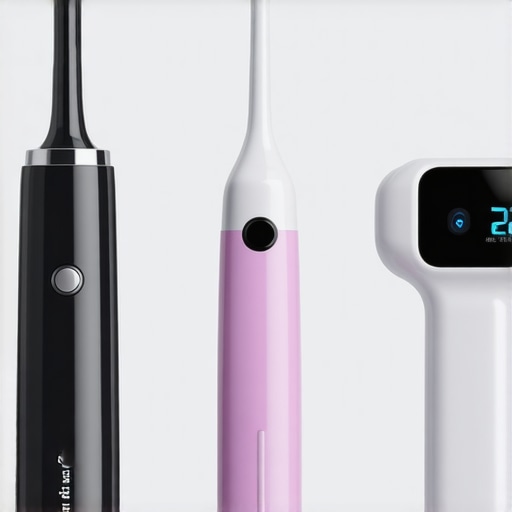
Over the years, I’ve learned that achieving a dazzling smile isn’t just about the whitening treatments themselves but about understanding the deeper aspects of dental health that influence lasting results. One vital lesson for anyone embarking on a whitening journey is the importance of personalized care—there’s no one-size-fits-all solution when it comes to sensitive teeth or maintaining long-term brightness.
What I Wish I Knew About Smile Transformation
- Prioritize a comprehensive dental exam before whitening—many overlook this step, risking unnecessary sensitivity and damage.
- Choose gentler whitening options tailored to sensitive teeth; over-the-counter products with lower peroxide levels can be safer and effective.
- Use protective measures, like desensitizing toothpaste and custom-fitted guards, to shield your teeth during treatment.
- Maintain healthy lifestyle habits post-whitening, such as avoiding staining foods and practicing proper oral hygiene routines tailored for sensitive teeth.
- Regular professional cleanings and check-ups are essential to sustain your bright, healthy smile and prevent future issues.
My Favorite Tools in the Smile-Enhancement Arsenal
- Water Flosser 6000+: Its pulsating stream keeps crowns and restorations clean, especially around sensitive areas.
- Bluetooth-enabled Oral Scanner: Tracking enamel health and stain progression helps me stay proactive about my dental care.
- Professional-grade desensitizing gels: Reinforces comfort and protects restorations.
- Personalized daily routines: Tailored practices keep my teeth resilient and my smile radiant.
Seize the Moment: Your Bright Future Awaits
Your journey toward a brighter, more confident smile is unique, and embracing personalized, cautious strategies makes all the difference. Remember, a healthy, sensitive-free smile isn’t just a cosmetic goal—it’s a reflection of whole-mouth wellness. Start today with small, informed steps, and watch as your smile transforms into the shining proof of your care and confidence.
What has been your biggest challenge in maintaining a healthy, bright smile? Share your story below—I’d love to hear about your experiences and tips!