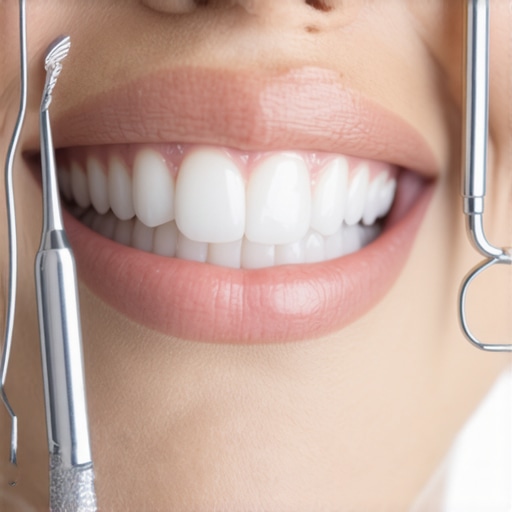
I remember the first time I experienced an unexpected jolt of sensitivity immediately after a dental cleaning. It was startling—like my teeth had become delicate glass overnight. For a moment, I wondered if I had done something wrong or if my dentist had somehow overdone it. Turns out, this post-cleaning sensitivity is more common than most people realize, and understanding why it happens can make all the difference in how you handle it.
What’s Behind That Temporary Sensitivity?
It’s frustrating, isn’t it? You walk out of the dental office feeling fresh and polished, only to be greeted by a sharp, almost painful sensation whenever you sip your morning coffee or even breathe in cold air. The truth is, during a professional cleaning, your hygienist works hard to remove tartar and plaque that have built up over time. In the process, they often polish your teeth with abrasive agents to smooth the surfaces, which can temporarily strip away the outer enamel layer. This process exposes the tiny dentinal tubules—tiny channels beneath the enamel that can transmit sensations like hot, cold, or sweet to the nerves inside your teeth.
But why does this sensitivity subside in most cases? It’s because your enamel is self-protective, and it regenerates, albeit slowly. Also, most sensitivities result from minor enamel wear or gum recession, which leave areas more exposed than they should be. I initially made the mistake of ignoring this sensitivity, thinking it was just a temporary nuisance. However, I soon learned that proper post-cleaning care and understanding can significantly improve comfort.
Thinking this sounds familiar? You’re not alone. Many people experience this after visits to their family dentist or periodontist. Luckily, there are straightforward ways to soothe your teeth and prevent this discomfort from lingering longer than necessary.
If you’ve ever wondered whether this sensitivity is something to be worried about, keep reading. I’ll share practical tips to reduce discomfort and protect your smile in the long run, along with some insights from experts. Trust me, a little knowledge can go a long way, especially when it comes to maintaining your oral health.
Let’s dive into what you can do to make your next post-cleaning experience as comfortable as possible and ensure your smile stays healthy and happy.
Master Gentle Oral Care Techniques
Start by switching to a soft-bristled toothbrush, which minimizes enamel erosion and gum irritation. I once tried swapping my firm brush for a gentle one during a routine at-home cleaning, and noticed immediate relief from sensitivity. Use circular motions instead of aggressive scrubbing to clean without damaging your enamel. Remember, less pressure yields better protection, especially after a professional cleaning.
Incorporate Special Toothpaste for Sensitivity
Choose toothpaste formulated for sensitive teeth containing potassium nitrate or stannous fluoride. I experimented with different brands, and within a week, my discomfort decreased significantly. Apply the toothpaste twice daily, ensuring you fully cover affected areas, and give it time—sometimes, improvements take a couple of weeks. This simple switch can strengthen your enamel and block nerve signals that cause pain.
Optimize Your Daily Oral Hygiene Routine
Consistency is key. Floss daily to remove plaque between teeth, preventing further enamel wear and gum recession. I set a reminder on my phone to floss every night, which became second nature. Also, rinse with a fluoridated mouthwash to remineralize enamel and reduce sensitivity. Regular visits to your dentist, like those offered in family dentistry practices, help catch issues early and keep your oral environment healthy.
Adjust Your Diet for Maximum Comfort
Limit acidic foods and beverages that can strip enamel—think citrus, soda, and wine. I learned this after noticing cold sensitivity worsened with my morning orange juice. Instead, incorporate dairy products high in calcium to help rebuild enamel. Drinking through a straw helps avoid direct contact with sensitive areas, providing additional protection during and after cleaning.
Be Strategic During Post-Cleaning Phases
After a cleaning, avoid extremely hot or cold foods for at least a couple of hours. I made a habit of sticking to lukewarm water and soft, bland foods during this period. If sensitivity persists, consider using desensitizing gels or strips recommended by dental professionals. Trusted guidance can be found in expert advice on crowns and teeth cleaning for lasting results—visit this link for more insights.
Protect Sensitive Areas with Fluoride Applications
Ask your dentist about professional fluoride treatments, which are especially effective for high-risk patients. I had mine done after noticing ongoing sensitivity, and it created a protective barrier over vulnerable enamel. Regular treatments strengthen your teeth, making them less susceptible to temperature shifts and external stimuli.
Monitor and Adjust Habits for Long-Term Relief
Avoid grinding your teeth, which can worsen sensitivity and enamel wear. Mouthguards worn during sleep, recommended by your family dentistry provider, can help. I initially ignored this habit, but after wearing a custom night guard, my sensitivity reduced dramatically. Keep an eye on your habits, and consult your dentist if sensitivities persist or worsen over time.
Implementing these targeted actions can make a tangible difference in your comfort after dental cleanings. For further tips on maintaining a strong, healthy smile, explore comprehensive oral health tips or caring for crowns. Consistent, gentle care preserves your enamel and keeps sensitivity at bay, ensuring your smile remains bright and pain-free.Many people are surprised to learn that some commonly held beliefs about oral health actually hinder their progress. For example, while brushing vigorously might seem like an effective way to clean teeth, in reality, it can wear down enamel and cause gum recession, increasing sensitivity and cavity risk. Experts emphasize gentle, thorough brushing over brute force; this misconception can lead to unnecessary damage. Another prevalent myth is that DIY whitening solutions, like charcoal or baking soda, are safe and effective. Yet, studies reveal that overuse can erode enamel and irritate gums, often doing more harm than good. Always consult your dentist before trying home remedies for whitening or descaling. When it comes to family dentistry, many assume that regular check-ups aren’t necessary if there’s no pain. This false sense of security ignores the silent progression of cavities or gum disease—conditions that are best caught early during routine visits. Regular cleanings remove plaque and tartar that brushing might miss, and maintaining these appointments is vital for long-term oral health. Moreover, a misconception exists around the longevity of crowns. Some believe crowns last forever; however, they typically endure about 10-15 years before needing replacement or repair. A neglected crown can lead to underlying decay or gum issues if not monitored properly. The trap many fall into is ignoring the subtle signs of wear or decay beneath a crown, thinking it’s still “good as new.” Proactive maintenance and periodic evaluations with your family dentist can prevent complex problems down the line. Addressing advanced misconceptions requires understanding the nuances. For instance, some clients are unaware that improper flossing techniques can damage gums, or that overusing fluoride can cause fluorosis in children. Clarifying these myths ensures better practices and healthier smiles. Want to avoid falling for these pitfalls? Remember, the key lies in evidence-based dental care tailored to your individual needs. For more insightful tips, explore [caring for crowns for longevity and shine](https://periodontistcare.com/caring-for-crowns-essential-tips-for-longevity-and-shine) or stay updated with [comprehensive oral health tips for your family](https://periodontistcare.com/oral-health-tips-every-family-should-follow-in-2025). Don’t let myths compromise your oral health—knowledge is your best defense. Have you ever fallen into this trap? Let me know in the comments.
Keeping your oral health in top shape requires more than just regular brushing and flossing; it involves investing in the right tools that make daily care effective and long-lasting. One indispensable device I personally rely on is an electric toothbrush with oscillating-rotating motion, such as the Philips Sonicare or Oral-B Genius series. These brushes have proven to reach plaque in hard-to-clean areas and reduce the effort needed for thorough cleaning, helping prevent issues like tartar buildup and gum recession, especially important after professional cleanings.
How do I maintain my dental tools over time?
I always ensure to replace brush heads every three months or sooner if the bristles fray—this maintains optimal plaque removal and prevents bacterial buildup. Regularly cleaning the handle and charger with a disinfectant spray helps prevent mold and bacteria, prolonging equipment lifespan. Additionally, using a water flosser like Jetpik or Waterpik can drastically improve interdental cleaning, especially around crowns and implants, offering more precise plaque control than traditional flossing. I prefer models that have adjustable pressure settings to avoid damaging delicate gum tissue, which is essential for those with sensitive areas post-cleaning. The future of oral hygiene tools is leaning toward AI integration, where smart devices monitor your brushing patterns and provide feedback, which might soon help personalize routine care and tip the scales in favor of preventive dentistry.
Are there other essential accessories I should consider?
A tongue scraper is crucial for reducing bacteria responsible for bad breath and enhancing overall oral hygiene, and I suggest using it daily for maximum benefit. I opt for stainless steel scrapers because they are durable and easy to sanitize. Additionally, a desensitizing gel or fluoride rinse can reinforce enamel and reduce sensitivity after cleanings, making your routine more comfortable long-term.
To truly optimize your maintenance routine, integrating a combination of smart tools and proven accessories is key. For example, using a water flosser after your brushing routine not only cleans plaque but also stimulates gums, which can promote faster recovery after a deep cleaning. Regularly scheduled professional checkups and cleanings by your family dentist ensure these tools are performing at their best and allow for early detection of potential issues before they escalate. If you want your crowns or other restorations to last, consult trusted resources like this guide on caring for crowns. Remember, consistency in using the right tools not only makes maintenance more manageable but also fortifies the health of your entire smile. Don’t hesitate to ask your dentist about the most suitable devices tailored to your specific needs—investing in quality tools now pays dividends in long-term oral wellness. For detailed advice on integrating these tools into your routine or to explore options for your family, visit family dentistry resources. Try incorporating a high-quality water flosser into your nightly routine today and experience firsthand how it can transform your oral health. Remember, the right equipment combined with expert guidance is your best strategy for a beautiful, healthy smile for life.
After experiencing the sharp discomfort following a dental cleaning, I realized that many of the lessons I learned weren’t just about quick fixes—they reshaped my entire approach to oral health. It’s tempting to see sensitivity as a temporary nuisance, but understanding the deeper lessons helped me protect my enamel and enjoy my smile more confidently.
Lessons That Changed My Dental Routine Forever
- Enamel wear isn’t always visible: I used to think sensitive spots meant I was doing something wrong, but I learned that even gentle brushing can cause enamel thinning over time. Regular check-ins and visual assessments revealed subtle wear, emphasizing the importance of tailored care.
- Gum recession can sneak up on you: I discovered that gum recession isn’t just age-related. Clenching and aggressive cleaning habits can accelerate it, exposing dentinal tubules and causing unexpected sensitivity. Recognizing early signs allowed me to seek preventative solutions.
- Home care is just as crucial as professional treatments: Using desensitizing toothpastes and soft brushes became a game-changer. These tools fortified my enamel and made everyday foods and drinks comfortable again.
My Go-To Tools and Resources for Long-Lasting Smile Comfort
- Guidelines on caring for dental crowns: I trust this resource for maintaining restorations that withstand sensitivities and wear.
- Family-friendly oral health tips: Reinforcing good habits at home has been pivotal for my long-term success.
- Regular cleanings and overall wellness: They prevent the cycle of sensitivity before it begins and keep my mouth balanced.
Embrace The Future With Confidence
Your journey toward healthier, more comfortable teeth starts now. With the right knowledge and tools, you can turn sensitivity into resilience, and enjoy every bite without worry. Remember, each small step you take today defines your smile’s future—so why not start now? If you’ve ever felt overwhelmed by post-cleaning discomfort, share your story below. Let’s support each other on this path to a brighter, pain-free smile!