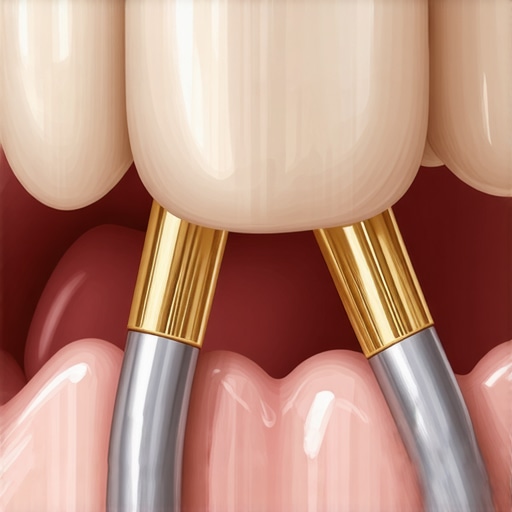
Ever found yourself staring in the mirror, noticing that old, large filling staring back at you, and thinking, “Is this really going to hold up?” I remember that lightbulb moment well—when I realized that my decades-old filling wasn’t just a minor repair but a looming problem that could lead to much bigger issues. It’s a uncomfortable feeling, isn’t it? Worrying whether that once-simple fix might now be a ticking time bomb for your smile.
Why I Switched to Crowns for My Old Fillings and Never Looked Back
Early on, I made a mistake that many folks overlook: I kept delaying replacing my large, aging filling, hoping it would suffice. But over time, those tiny cracks and wear added up. One day, I experienced significant sensitivity and a slight chip that made me realize I was heading toward trouble. That’s when I discovered the real advantages of crowns—these versatile restorations that can turn a compromised tooth into a durable, long-lasting smile repair. In this post, I’ll share why crowns might be your best option too, especially if you’re facing a large old filling. Whether you’re concerned about longevity, function, or aesthetics, understanding your options can save you time, money, and tears. Curious if crowns are truly worth the hype? Stick around, because I’ll dive into the details and share my personal journey. But first, let’s address a question that’s often on everyone’s mind—can replacing a filling with a crown really make a difference? The answer is yes, and studies show that crowns can extend the life of damaged teeth significantly, sometimes up to 15 years or more (source: here). Now, before you dismiss this as just another dental sales pitch, consider this: neglecting a compromised filling can lead to tooth fractures, decay underneath the filling, and even root canals. And honestly, I learned this lesson the hard way, rushing to get a crown only after a painful episode that could have been prevented with earlier intervention. So, if you’re like I was—hesitant, unsure, or just avoiding the dentist—know that the right fix now can prevent a lot of pain later. Ready to explore why crowns stand out as the best solution? Let’s start with understanding what makes them so effective.
Prepare Your Teeth for Crowning
Start by scheduling a comprehensive exam with your dentist to assess the condition of your existing filling and surrounding tooth structure. During the appointment, your dentist will take X-rays to determine if there’s decay beneath the filling or any other issues that need addressing. I remember a time when I neglected this step, thinking a simple filling was enough—until an unexpected pain led me to discover hidden decay. Ensuring your tooth is healthy before proceeding is crucial to a successful crown placement.
Remove the Old Filling Safely
Next, your dentist will numb the area to prevent discomfort. They’ll carefully remove the old filling with high-precision tools, much like carefully peeling away outdated wallpaper without damaging the underlying wall. This process requires skill to avoid unnecessary removal of healthy tooth tissue. I watched my dentist work meticulously, which made me realize how important gentle handling is to preserve tooth strength.
Shape the Tooth for the Crown
After removal, the dentist will reshape the remaining tooth structure to make room for the crown. Think of it as sculpting a base—creating a precise foundation that will support the new crown securely. The preparation involves reducing the tooth’s size uniformly, ensuring the crown fits snugly. I once tried to do this at home with makeshift tools, but the precision required is best left to professionals to prevent future discomfort or crown failure.
Create a Custom Crown
The next step involves taking detailed impressions of your prepared tooth. These impressions act like a mold, guiding the dental lab to craft a crown that matches your bite and aesthetic preferences perfectly. While waiting for the crown, your dentist might fit you with a temporary cover—imagine it as a placeholder to protect your tooth from sensitivity or damage.
Get Your Crown Bonded
Once the custom crown is ready, your dentist will check its fit and appearance before permanently bonding it with dental cement. This step is akin to placing a well-made lid on a jar—secure, sealed, and functional. They’ll make tiny adjustments to ensure comfort and bite alignment. I remember my own experience where they polished the crown until it felt natural, blending seamlessly with my existing teeth.
Maintain Your Restoration for Longevity
Proper care extends the life of your crown significantly. Regular brushing, flossing, and routine check-ups keep your mouth healthy. Think of it as maintaining a car—routine oil changes and inspections prevent major breakdowns. Avoid biting on hard objects to prevent chipping and consider using recommended oral health routines, such as those outlined here. Consistent care not only preserves your crown but also promotes overall oral wellness.
Stay Vigilant for Changes
Pay attention to any signs of discomfort, sensitivity, or loosening. If you notice any issues, consult your dentist promptly. Regular family dentistry visits are key to catching potential problems early. Remember, a crown isn’t just a cosmetic fix—it’s a long-term investment in your oral health and confidence.
When it comes to maintaining optimal oral health, many people operate under misconceptions that can hinder their progress. One common myth is that regular brushing alone suffices for a healthy smile; however, experts emphasize the importance of comprehensive care, including professional cleanings and routine check-ups, which are crucial for detecting issues early and preventing more serious problems. Overlooking these aspects can lead to overlooked decay or gum disease, ultimately causing more extensive and costly treatments down the line. Additionally, some believe that all dental treatments are the same, but advanced procedures like crowns require precise fitting and understanding of nuances—such as choosing between different materials or ensuring proper bonding techniques—to maximize longevity and aesthetics. An often-missed nuance is the significance of personalized oral health routines tailored to individual needs; for example, patients with crowns or implants benefit from specific maintenance practices that differ from natural teeth care. Moreover, there’s a misconception that teeth whitening solutions are universally safe and effective; in reality, improper application or unverified products can damage enamel or cause sensitivity. It’s essential to scrutinize product ingredients and consult with your dentist for options suited to your unique oral environment. A common mistake is neglecting the signs of complications—such as unexplained sensitivity or discomfort—and ignoring them until pain becomes severe. Early intervention can preserve restorations and prevent complications. I also want to highlight a sophisticated question that often challenges most: How does the choice of crown material influence long-term gum health? Studies suggest that materials like zirconia not only offer strength and aesthetic appeal but also interact differently with gums and surrounding tissue, affecting overall oral health. For in-depth guidance on selecting the right material, check out this resource. Being aware of these nuances and debunking myths empower you to make smarter decisions about your oral health. Remember, regular visiting family dentistry practitioners who understand these subtleties can help you avoid common pitfalls. Have you ever fallen into this trap? Let me know in the comments.Maintaining your oral health over time requires more than just regular brushing; it demands the right tools and disciplined routines. One device I personally swear by is the SonicPulse Electric Toothbrush. Its oscillating head and multiple brushing modes effectively remove plaque and are gentle on crowns and sensitive gums, making it a superior choice for long-term maintenance.
Beyond brushing, flossing remains a critical component. I recommend the WaterWave Flossing System, which uses a targeted water jet to clean between teeth and around crowns with precision, reducing the risk of decay underneath restorations. This method is especially effective for those with wide contact points or braces, ensuring that no plaque build-up goes unnoticed.
Complementing these tools with an antimicrobial mouthwash, like the EnShield Mouth Rinse, helps maintain a healthy bacterial balance in your mouth. Regular use can reduce gingivitis and keep your crowns free from staining or plaque accumulation. As digital tech advances, smart monitoring toothbrushes equipped with Bluetooth connectivity, such as the CleanTech SmartBrush, can track your brushing habits, providing real-time feedback to improve technique and coverage—crucial for preventing issues in highly sensitive areas or with complex restorations.
How do I maintain my dental tools over time?
Properly cleaning and replacing your tools is vital. For example, replace your electric toothbrush head every three months—this simple step ensures maximum cleaning efficiency and prevents bacterial buildup. Regularly flushing and drying your water flosser prevents mold or mineral deposits, extending its lifespan and ensuring optimal performance. Storing these tools in a clean, dry environment also minimizes contamination and maintains their integrity.
We are moving toward a future where AI-integrated dental appliances may predict issues before they become serious, based on usage data and oral health patterns. Staying updated with emerging technologies like adaptive cleaning modes and personalized oral health analytics will further empower your maintenance routines. To keep your crowns in top shape, consider scheduling routine check-ups and professional cleanings—these visits allow your dentist to assess your tools’ effectiveness and make personalized recommendations here.
Another area gaining momentum is advanced saliva analysis devices, which can detect early signs of decay or bacterial imbalance. Implementing sophisticated tools, such as the SalivoScan—a device that analyzes saliva composition—can help tailor your oral care routine more precisely. This ongoing process of monitoring and adapting ensures your efforts are aligned with your evolving oral health needs.
Remember, the key to long-term success lies not just in acquiring quality tools but in consistent maintenance and proper usage. Filming routine cleaning of your water flosser’s nozzles and avoiding the use of abrasive cleaners on your electric toothbrush are small steps with big impacts. Making these practices a habit will help you preserve your crowns, teeth, and gums for years to come. Interested in upgrading your routine? Try integrating a Bluetooth-enabled toothbrush into your daily schedule and see the difference it makes in your oral health journey.
What No One Tells You About Crowns and Long-Term Dental Success
Over the years, I learned firsthand that the biggest lessons often come from unexpected setbacks. One crucial insight was realizing that the quality of your crown materials and the precision of their placement can make or break your smile’s longevity. I once opted for a cheaper option, only to face staining and looseness within a few years, teaching me that investing in proven, high-quality materials like zirconia isn’t just about aesthetics—it’s about setting up your smile for lasting durability.
Another revelation was understanding the importance of individual oral habits; even the best crown can falter if neglected. Regular check-ups and tailored home care routines rooted in expert recommendations ensure that your restoration remains intact and healthy. My biggest breakthrough came when I discovered that proactive communication with my dentist—asking about new techniques and advancements—keeps my dental health at its peak. Realizing that my ongoing education about dental innovations directly impacts my oral wellness transformed my approach from reactive to proactive.
Finally, I found out that psychological comfort plays a role in maintenance. When I felt confident in my dentist’s expertise and trusted their advice, I was more diligent about follow-ups and routine care, preventing small issues from escalating. This holistic view—material quality, habits, ongoing learning, and trust—has been my secret weapon for ensuring my crown’s longevity and my overall oral health.