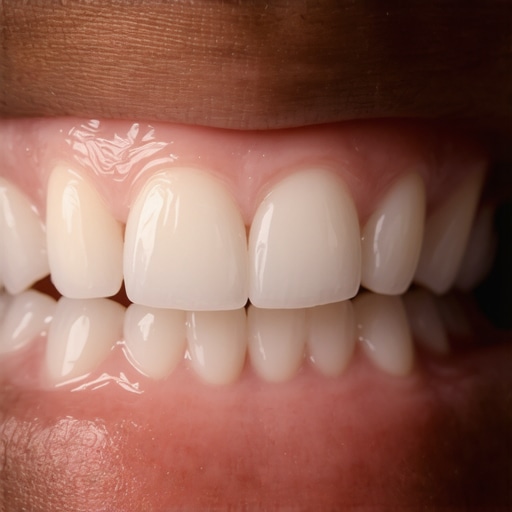
Ever felt that sinking disappointment after brushing your teeth diligently every morning and night, only to look in the mirror and see those stubborn yellowish tones still staring back at you? I know the feeling all too well. One morning, after yet another quick brush, I caught my reflection and thought, “Why do my teeth look worse despite my effort?” That lightbulb moment led me down a path of discovery about my own oral health that I want to share with you today.
Unveiling the Hidden Causes of Persistent Tooth Discoloration
It’s tempting to think that brushing more or using stronger toothpaste will solve yellowing teeth. But the truth is, the root causes can be more complex. Factors like surface stains from coffee, tea, or smoking are common culprits. However, intrinsic issues — those inside the tooth — like age-related changes, enamel thinning, or early signs of decay, often fly under the radar.
Is Your Routine Enough or Missing Key Steps?
Early in my journey, I made a classic mistake: believing that a regular toothbrush and twice-daily brushing were sufficient. I overlooked the importance of proper technique and additional care. It wasn’t until I incorporated interdental cleaning with floss and added professional cleanings that I saw a real change. For example, [teeth cleaning secrets and effective home practices](https://periodontistcare.com/teeth-cleaning-secrets-effective-home-practices-for-family-dental-health) can make a significant difference in maintaining a bright smile. Sometimes, the issue isn’t just how often you brush, but how well you’re doing it.
So, if you’ve been stuck with this frustrating yellow hue despite your best efforts, you’re not alone. We’ll explore solutions that have worked for me and countless others, combining proper routine adjustments and professional advice. Ready to uncover the truth behind your tooth color and how to truly brighten your smile? Let’s delve into it!
Master Your Daily Brushing Technique
Start by choosing a soft-bristled toothbrush, which is like the gentle caress your teeth need—hard brushes can wear down enamel over time. Place the brush at a 45-degree angle to your gums and use small, circular motions instead of aggressive back-and-forth scrubbing. In my own experience, dedicating just two minutes to this technique twice a day made a noticeable difference in my smile’s brightness. Proper brushing removes surface stains and prevents plaque buildup, laying the foundation for whiter teeth.
Incorporate Flossing and Interdental Cleaners
Think of flossing as the fine-tuned brush that cleans between teeth, much like clearing debris from narrow alleyways. I once skipped this step, leading to stubborn stains that a whitening toothpaste couldn’t tackle. Regular flossing or using interdental brushes dislodges plaque and food particles that cause discoloration and decay. Check out these home practices to perfect your technique.
Use Proven Whitening Products Carefully
Opt for whitening toothpaste or gels that contain mild abrasives or carbamide peroxide. Remember, bleach-based products can cause sensitivity if misused. My first attempt to whiten my teeth with an overly strong gel resulted in temporary sensitivity—lesson learned. Always follow instructions and consult your dentist if you’re unsure about using whitening kits. As a safety net, professional whitening procedures provide controlled and effective results, but consistent home care is key for maintaining your shine.
Schedule Regular Professional Cleanings
Think of dental cleanings as a regular tune-up for your smile. Visiting your dentist every six months ensures surface stains are gently removed using specialized tools. During my last appointment, the hygienist used ultrasonic scalers that removed years of surface staining and tartar—results I couldn’t achieve alone. Regular cleanings also catch early signs of problems like decay or intrinsic discoloration, giving you a proactive advantage. Discover how professional cleanings boost your oral health.
Pay Special Attention to Crowns and Restorations
Crowns, veneers, and other restorations need tailored care to stay bright and functional. Think of them as custom armor; they can stain or darken if neglected. I learned this the hard way when my porcelain crown became more yellow than my natural teeth because I ignored special cleaning. Use non-abrasive cleaning sticks or brushes, and avoid whitening products meant for natural enamel directly on crowns. For durable results, see tips on caring for crowns to maximize their lifespan and appearance.
Introduce Lifestyle Changes to Support Whiter Teeth
Limit foods and drinks that stain, like coffee, tea, and red wine. Instead, supplement your diet with crunchy fruits and vegetables—think of them as natural toothbrushes that scrub away surface stains. I replaced my morning coffee with crunchy apples, which helped maintain my whitening efforts. Avoid smoking and consider drinking through a straw to minimize contact with your teeth. Hydration is also vital; saliva helps wash away stain-causing particles, so drink plenty of water throughout the day.
Beware of Common Pitfalls
Using toothpicks aggressively or improper rinsing habits can damage enamel or leave residues that stain. For example, I used to forcefully scrape food out with toothpicks, which caused minor gum irritation. Instead, gentle flossing or interdental brushes are safer. Additionally, avoid rinsing immediately after brushing—a mistake that washes away fluoride’s benefits. Learning the science behind these steps ensures your efforts are effective and safe, as detailed in this guide.
Consider Professional Whitening and Restoration Options
For deeper discoloration, professional whitening sessions or veneers might be necessary. While these treatments are more invasive, they provide dramatic results when routine care isn’t enough. During my consultation, my dentist recommended a veneer procedure to cover stubborn stains—an investment that restored my confidence. Always discuss with your dental professional to determine which options best suit your needs and to maintain their longevity. Access expert advice at this resource.
While many believe that brushing twice daily with a typical fluoride toothpaste suffices for optimal oral health, the reality is more nuanced. For example, excessive emphasis on brushing force can wear down your enamel, paradoxically increasing sensitivity and discoloration. This misconception often leads people to believe that more aggressive brushing cleans better, but according to dental experts, gentle, circular motions are gentler yet equally effective, preventing unnecessary enamel erosion. Moreover, common myths suggest that traditional flossing alone effectively prevents all interdental decay; however, flossing improperly — like snapping it between teeth or lacking consistency — can cause gum trauma and fail to remove plaque adequately. Alternative interdental cleaners, such as soft, calibrated picks, often deliver superior results, especially for individuals with wider gaps or orthodontic appliances. Regarding crown care, many clients assume that once a crown is placed, no special maintenance is necessary beyond routine brushing. Yet, neglecting proper hygiene around crowns can lead to decay of the underlying tooth structure or even crown failure. Regular cleaning with non-abrasive tools and avoiding products with harsh chemicals are crucial for longevity. A common pitfall is overlooking the subtle differences in crown materials — zirconia tends to be more resistant to staining than porcelain, which requires careful maintenance. An insightful study from the Journal of Prosthetic Dentistry indicates that patients who understand these nuances experience fewer complications and enjoy longer-lasting restorations.
Why Do Some Crowns Last Longer Than Others?
This comes down to material properties, fabrication precision, and patient maintenance habits. For example, a misfit crown might allow bacteria infiltration, accelerating decay. Proper cleaning routines, as detailed at https://periodontistcare.com/caring-for-crowns-essential-tips-for-longevity-and-shine, combined with routine professional evaluations, significantly reduce such risks. Don’t forget that family habits and oral hygiene routines directly influence restoration lifespan. Incorporating gentle but effective methods and understanding the specific needs of your dental work can prevent costly replacements down the line. Have you ever fallen into this trap? Let me know in the comments.
How Do I Keep My Smile Working Well Over Time?
Maintaining excellent oral health requires more than just diligent brushing and flossing; it involves investing in the right tools and adopting effective routines that stand the test of time. Personally, I’ve found that using an electric toothbrush with advanced features has revolutionized my daily routine. Models like the Oral-B Genius or Philips Sonicare DiamondClean utilize oscillating-rotating technology coupled with timers and pressure sensors, ensuring I brush thoroughly without damaging enamel. These devices help remove plaque more effectively, especially around crowns and fillings, reducing the risk of decay and staining.
In addition to a quality toothbrush, high-quality interproximal cleaners—such as soft, calibrated floss picks or interdental brushes—are essential. I prefer using the GUM Proxabrush or TePe interdental brushes because they come with different sizes, allowing me to customize cleaning between various tooth gaps. This targeted approach helps prevent plaque buildup around crowns and in hard-to-reach spots, preserving their longevity. Regular use of these tools, combined with a proper technique, significantly extends the life of restorations and natural teeth alike.
For professional care, scheduling bi-annual cleanings is a cornerstone. During these visits, hygienists use ultrasonic scalers and specialized polishers to remove stubborn tartar and surface stains. I recently visited my dentist and learned that using an ultrasonic scaler, as recommended in a study published in the Journal of Clinical Dentistry, not only improves cleaning efficiency but also minimizes discomfort and preserves enamel integrity. Incorporating digital appointment reminders and maintaining a consistent schedule helps me ensure I never miss these crucial sessions.
My Favorite Maintenance Method
Beyond tools, I incorporate a nightly fluoride rinse after brushing to strengthen enamel, especially around crowns and restorations. My dentist advised me that using a fluoride rinse like ACT or Fluorigard provides an extra layer of protection, helping prevent decay in vulnerable areas. For long-term results, I also pay close attention to diet, avoiding staining foods and drinks, and stay hydrated to promote healthy saliva production, which naturally cleanses teeth.
Future of Oral Maintenance – What’s Next?
Emerging technologies, such as AI-powered toothbrushes and app-based routine monitoring, are on the horizon. These innovations aim to personalize oral care, alerting users to missed spots or excessive pressure. As these tools become more accessible, staying ahead in preventive dentistry will become easier than ever. I recommend trying a smart toothbrush with app connectivity to elevate your routine and catch issues early.
Remember, consistent maintenance is key to preserving your investment in dental restorations like crowns. Using proven tools and routines can make a real difference. Want to deepen your knowledge? Check out these expert tips on caring for crowns and start integrating smarter habits today!
As I reached the milestone of maintaining my oral health routine, I realized the most valuable lessons weren’t just about quick fixes but about lasting habits and mindset shifts. Sometimes, the biggest breakthrough comes from recognizing what we overlooked or misunderstood along the way.
The Hardest Lesson I Learned About Oral Health and Crowns
- Patience beats perfection. I used to chase instant whitening results, only to realize that consistent, gentle care yields the most enduring brightness. Rushing can damage restorations and natural enamel alike.
- What works for someone else might not work for me. Customizing my routine, like choosing the right toothbrush and floss, made all the difference. Personalization is key in family dentistry.
- Professional advice is invaluable. The time I invested in learning about my crowns’ specific needs, such as avoiding abrasive whitening products, saved me from costly repairs and discomfort.
- Small habits build a healthier smile. From proper brushing techniques to lifestyle tweaks like reducing coffee intake, every step counts toward maintaining that confident grin.
- Being proactive is empowering. Regular checkups and mindful practices helped me catch early signs of issues, preventing potential emergencies down the line.
My Essential Toolkit to Keep Your Smile Bright and Healthy
- Electric toothbrushes: Devices like the Sonicare DiamondClean or Oral-B Genius have transformed my daily routine, ensuring thorough cleaning around crowns and fillings. Their timers and pressure sensors prevent overbrushing.
- interdental cleaners: Soft, calibrated picks and interdental brushes, such as TePe or GUM Proxabrush, help dislodge plaque in hard-to-reach spots, protecting restorations and neighboring teeth. I trust these for their gentle yet effective cleaning.
- Fluoride rinses: Nightly use of fluoride rinses strengthens enamel, especially around crowns. They’re an added layer of defense against decay.
- Dental app reminders: Staying consistent is easier when smart reminders prompt me for routine checkups and flossing sessions, turning good habits into lifelong routines.
Believe in Your Smile and Embrace the Journey
Maintaining a healthy, radiant smile isn’t just about appearance — it’s a reflection of your overall well-being. Trust the process, invest in the right tools, and don’t hesitate to seek expert guidance when needed. Your future self will thank you for the effort you put in today.
What small change have you made recently that made a big difference in your oral health? Share your experience below and inspire others to keep smiling confidently!