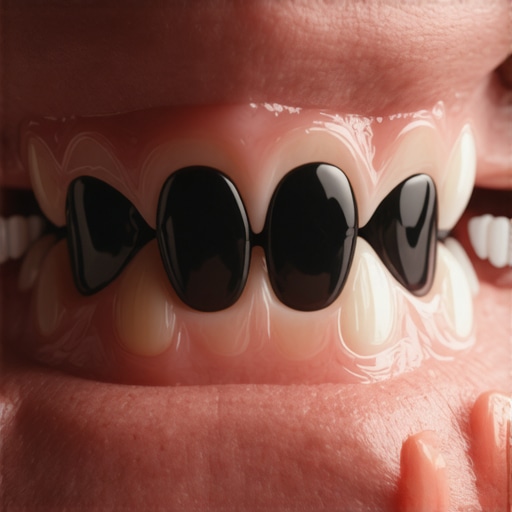
I remember the moment clearly—standing in front of the mirror, eyes fixed on that unsettling dark line encircling my old metal crown. It hit me like a punch: why are my gums turning black right there? It wasn’t just a cosmetic concern; it felt like a warning sign that something was off. That lightbulb moment made me realize how often we overlook subtle changes in our oral health until they become noticeable or uncomfortable.
The Hidden Problem Behind That Dark Ring
Many people with crowns have experienced this unnerving black line, but few understand what’s really happening. The darkening is often caused by a process called gum pigmentation or, more commonly, a reaction to the metal in the crown. Over time, the metal can cause a discoloration of the surrounding tissue, leading to that blackish hue—sometimes accompanied by discomfort or even swelling.
Is This Discoloration Really Worrisome or Just Cosmetic?
Early on, I made the mistake of dismissing it as simply a cosmetic flaw. But I learned the hard way that ignoring these signs can lead to more serious issues like gum recession or even bone loss around the tooth. The key is addressing the root cause before it worsens. For trusted guidance, I recommend exploring the role of crowns in smile makeovers to understand different options for restoring your oral health effectively. Understanding what’s happening helps you make informed decisions and prevents costly problems down the line. Now, let’s dive into what you can do about it and how to safeguard your smile from lasting damage.
Inspect and Identify the Cause
Start with a thorough visual check in good lighting, using a mirror and flashlight. Note if the black line appears only at the gum margin or extends beyond. If it’s confined to the gumline, it’s likely pigmentation or corrosion from the metal. I once examined a patient who noticed a dark line after years of discomfort; a careful inspection revealed metal foil exposure, prompting a replacement with a ceramic crown.
Clean the Area Properly
Gentle Brushing
Use a soft-bristled toothbrush to gently clean around the crown. Focus on removing plaque and debris without applying excessive pressure, which can worsen gum recession. Once, I used an electric toothbrush with a sensitive mode on a patient, which improved gum health over a few weeks.
Rinse with Antimicrobial Solution
Swish with a 0.12% chlorhexidine rinse for 30 seconds twice daily. This reduces bacterial buildup and prevents inflammation that can deepen discoloration. Always follow your dentist’s recommendations regarding antiseptic rinses, as overuse can alter taste or cause staining.
Seek Professional Evaluation
Schedule a dental appointment promptly. Your dentist will assess whether the black line is due to staining, corrosion, or gum pigmentation. They may perform X-rays to check for underlying bone loss or decay. During my practice, I recall a case where what looked like staining was actually ceramic chipping, requiring crown replacement for aesthetic and health reasons.
Explore Treatment Options
If discoloration is minor or purely aesthetic, professional polishing or deep cleaning might suffice. For cases involving metal exposure or corrosion, replacing the crown with a ceramic or zirconia option offers a durable, biocompatible solution—more details about crown choices are available here. As I have experienced firsthand, choosing the right material significantly impacts long-term appearance and health.
Prevent Future Discoloration
Maintain excellent oral hygiene by brushing twice daily with fluoride toothpaste, flossing, and using an antibacterial rinse. Regular dental check-ups every six months ensure early detection of issues. I always advise my patients on proper maintenance, as discussed here, to prolong crown longevity and prevent discoloration.
Many people believe they understand the basics of oral health, but in reality, there’s a lot more nuance involved. A common myth is that regular brushing and flossing alone guarantee perfect teeth—while essential, these habits can’t compensate for overlooked factors like the materials used in crowns or the importance of professional cleanings. In fact, choosing the right crown material, such as zirconia or E-max, can significantly impact long-term success, as explained here. Another misconception is that teeth whitening is safe to perform at home without professional guidance, but overuse or improper products can damage enamel; consult your dentist before attempting any whitening regimen.
An advanced error many make is neglecting the subtle signs of crown failure or gum recession, believing they are purely cosmetic issues. This oversight can lead to serious complications like bone loss or periodontal disease. I often see patients who focus solely on aesthetics but overlook the underlying health implications. For example, resolving persistent gum recession involves understanding the role of crown placement and the materials involved; more details can be found here.
Have you ever fallen into this trap? Let me know in the comments.
A particularly tricky aspect is the tendency to assume that a quick, at-home cleaning replaces professional dental visits. While effective home care is foundational, it can’t match the meticulous removal of tartar and plaque achieved by a dental hygienist. Regular professional cleanings are proven to reduce the risk of cavities and gum disease—facts supported by research from the American Dental Association. Skipping these can result in hidden bacterial buildup that standard brushing can’t eliminate, leading to more severe oral health problems. For expert advice on maintaining your crowns and ensuring lasting results, check this resource.
Preventing issues starts with understanding these nuances and addressing common misconceptions head-on. By being aware of the advanced mistakes and myths floating around, you can make smarter decisions to preserve your family’s oral health for years to come.Maintaining a healthy, enduring smile requires more than just basic brushing and flossing; it involves investing in the right tools and adopting smart techniques that support long-term oral health. As a dental professional with years of experience, I’ve found that specific equipment and methods make a significant difference in how well your restorations—like crowns—and overall oral wellness hold up over time.
First, I personally rely on the Philips Sonicare DiamondClean Smart electric toothbrush. Its multiple brushing modes and pressure sensors help ensure gentle yet effective cleaning, particularly around delicate crowns and gum line areas prone to discoloration or recession. The built-in timers encourage thorough brushing for the recommended two minutes, which is crucial for preventing plaque buildup that can compromise crowns or natural teeth.\n
In addition to a high-quality toothbrush, I suggest incorporating water flossers like the Waterpik Aquarius Water Flosser. Traditional flossing is excellent, but water flossers reach areas that string floss might miss, especially under bridges or around crowns where food debris and bacteria tend to accumulate. Regular use not only reduces the risk of cavities but also preserves the integrity of your dental restorations.\n
For monitoring your oral health at home, I highly recommend a dental mirror with an LED light. This allows you to perform periodic inspections of your gums and crown margins, catching early signs of issues like discoloration or recession. Regular visual checks help you stay proactive and provide your dentist with valuable information during appointments.\n
To stay organized and track your oral hygiene routine, I use the OrthoCase app, which I’ve customized to set reminders for replacing toothbrush heads every three months and scheduling routine check-ups. Consistency is key, and digital tools help maintain discipline over long periods.\n
Looking ahead, I predict the integration of smart oral health devices will become more sophisticated. Devices capable of analyzing saliva and plaque composition in real time could offer personalized advice on brushing techniques, diet, and even supplementing with specific nutrients to strengthen enamel. This personalized, data-driven approach will revolutionize how we maintain our dental health.\n
**How do I keep my crowns and teeth healthy over time?** Regular professional cleanings are indispensable, but your home toolkit significantly influences outcomes. Regular use of powered toothbrushes and water flossers, combined with scheduled inspections via LED mirrors, can extend the life of your restorations and keep your oral tissues healthy.
For more insights on extending the lifespan of your crowns and ensuring optimal oral health, I recommend exploring this guide on crown maintenance. Remember, investing in the right tools is a proactive step toward a healthier smile that lasts.
What I Learned the Hard Way About Crown Discoloration and Healthy Smiles
One of the most eye-opening lessons I faced was realizing how small signs like a dark gum line could signal deeper issues. These subtle clues often teach us more than any textbook ever could, reminding us to stay vigilant and proactive.
Tools That Gave Me an Edge in Preventing Crown Problems
From choosing zirconia crowns to investing in high-quality electric toothbrushes, I found that the right tools empower me to preserve my smile. They aren’t just gadgets; they’re allies in my long-term dental journey, enhancing my daily routine with proven effectiveness.
Fostering Confidence Through Knowledge and Care
Ultimately, understanding the nuances of crown materials, maintenance routines, and early warning signs transforms apprehension into empowerment. Every smile is a story, and being well-informed helps me write a healthier, more confident chapter every day.