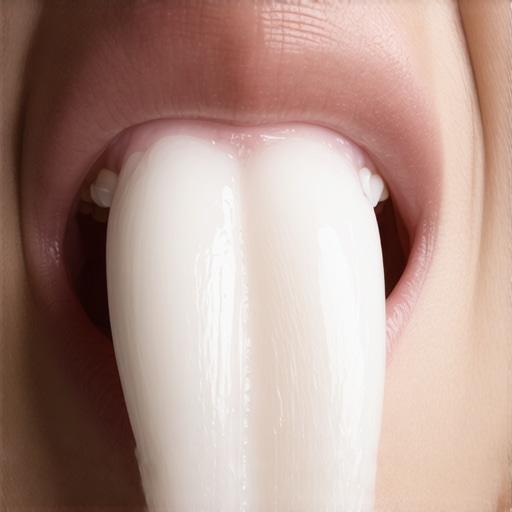
One morning, I looked in the mirror after a restless night and was struck by a realization — my tongue looked suspiciously white, almost like I had just finished a box of powdered donuts. But I hadn’t. That’s when I learned that a coated tongue isn’t just about poor hygiene or bad breath; it could be sending signals about what’s really happening inside my body. That lightbulb moment prompted me to dig deeper into what this common issue really means and how it can impact your health.
Why Your Tongue Turning White Should Never Be Ignored
Many folks brush off a white tongue as a simple inconvenience or a sign to rinse more vigorously. But trust me, it’s often more than just a surface problem. Your tongue is like a mirror reflecting your internal health. A white coating could indicate dehydration, poor oral hygiene, or even underlying health conditions. For instance, persistent white patches might be linked to oral thrush, a fungal infection, or, in more serious cases, early signs of systemic diseases.
Is Your White Tongue Actually Worth the Hype?
Initially, I thought it was nothing—just a temporary annoyance. I made the mistake of ignoring it until it worsened, which only delayed proper treatment. I’ve come to realize that listening to your body’s signals, like a changing tongue, can actually save you from more serious health issues down the line. Recent studies have shown that oral health is closely connected to overall health — for example, gum health and heart disease are more intertwined than most realize. So, if your tongue is taking on a strange hue, it’s worth paying attention to!
In the next sections, I’ll guide you through the common causes of a white tongue and, more importantly, what steps you can take to address it. Because understanding the root of this issue isn’t just about aesthetic beauty — it’s about protecting your health and ensuring you’re not missing early warning signs.
Brush and Scrape Like a Pro
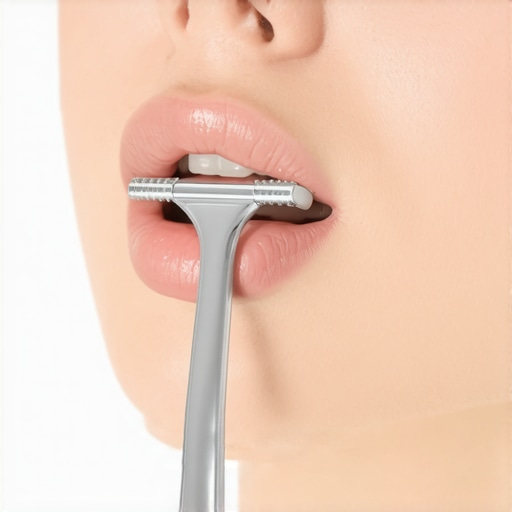
Start your routine by brushing your tongue gently with a soft-bristled toothbrush or use a tongue scraper. Just like cleaning a mirror ensures a clearer reflection, a thorough tongue clean removes surface bacteria and debris. In my experience, I once rushed through tongue cleaning, which resulted in less effective removal and continued discomfort. Spending an extra minute scrubbing gently made a noticeable difference in reducing coating and freshening my breath.
Use the Right Tools for the Job
Invest in a high-quality tongue scraper—it’s more effective than toothbrushes alone. Think of it as a specialized tool for a specific job, similar to how dental crowns restore the function of a damaged tooth. When I first tried using a plastic tongue scraper, it was awkward, but switching to a stainless steel one improved my results and made the process smoother, encouraging daily use.
Stay Hydrated and Adjust Your Diet
Dehydration often causes a white coating, so drinking plenty of water throughout the day is crucial. Complement hydration by reducing dairy and processed foods, which can promote bacterial growth on the tongue. I noticed my tongue improved significantly when I started carrying a water bottle and cutting back on heavy dairy snacks, helping my body flush out toxins more efficiently.
Incorporate Oral Rinses Carefully
Use an antimicrobial mouthwash to diminish bacterial buildup. However, avoid overusing alcohol-based rinses—they can dry out the mouth further, worsening the coating. I once tried a harsh rinse and found my tongue coating worsened, but switching to a gentle, alcohol-free antimicrobial rinse made a real difference. Remember, rinsing should complement daily brushing—not replace it.
Maintain Proper Oral Hygiene Habits
Regular brushing twice daily and flossing help reduce bacteria and prevent plaque buildup that can contribute to tongue coating. Think of oral hygiene as maintaining a clean workspace; neglecting it invites unwanted messes. I improved my tongue condition by committing to consistent habits, which was especially evident after a professional cleaning that included cleaning the tongue and deep gum scaling.
Seek Professional Advice When Needed
If the coating persists despite these steps, it could be a sign of underlying issues like oral thrush or systemic conditions. Don’t hesitate to consult your dentist or periodontist. I once ignored a persistent coating, but after visiting my dentist, I learned it was oral thrush, which required antifungal treatment. This step ensures your internal health isn’t compromised.
Adjust Lifestyle Factors to Protect Your Mouth
Reduce smoking, limit alcohol consumption, and avoid excessive sugary foods—all of which contribute to bacterial imbalance. My own journey included quitting smoking, which led to a noticeable improvement not just in my tongue’s appearance but in my overall oral health. Lifestyle choices play a significant role in sustaining a clean, healthy tongue and mouth.
Many people believe that a straightforward cleaning and regular visits are enough to maintain optimal oral health, but there’s a lot more lying beneath the surface—nuances that even seasoned patients often overlook. Contrary to common advice that emphasizes only routine brushing and flossing, understanding the deeper intricacies can make a significant difference in preventing complex dental issues and extending the lifespan of dental restorations like crowns.
Debunking the Myth: All Dental Cleanings Are Created Equal
While it’s true that professional cleanings are essential, many assume that any cleaning does the job. However, a standard cleaning might not be sufficient for addressing deeper periodontal issues. For example, deep gum scaling involves more than just surface plaque removal; it targets tartar buildup beneath the gum line, which, if neglected, can lead to gum recession and tooth sensitivity. Understanding the difference between a standard cleaning and a deep gum scale can help you advocate effectively during dental visits and ensure you’re receiving comprehensive care.
What Advanced Mistakes Do People Make with Crowns and Fillings?
Many believe that once a crown is cemented, the work is done. In reality, crowns require proper maintenance, especially when facing habits like grinding or exposure to hot and cold foods. Failing to follow the dentist’s care instructions can lead to premature crown failure or cracks, particularly if the crown is made of zirconia or porcelain. Moreover, old amalgam fillings may crack over time, adversely affecting neighboring teeth a common cause of cracked teeth and receding gums. Recognizing these nuances helps prevent costly repairs and preserves your oral health longer.
Unmasking Common Misconceptions About Oral Hygiene
Some believe that brushing harder will clean teeth better, but aggressive brushing can damage enamel and gums. Instead, adopting a gentle, circular motion and paying attention to the brushes’ bristle quality can ensure effective cleaning without harm. Furthermore, many overlook the significance of tongue cleaning or neglect to replace their toothbrush regularly, which can undermine overall hygiene. It’s a nuanced balance—too much pressure or infrequent tool replacement could inadvertently cause gum recession or bacterial buildup.
How Can Interim Care Really Save Your Teeth?
During minor issues like sensitive teeth or small cavities, some might delay professional attention, thinking it will resolve on its own or won’t worsen. However, neglecting these early signs can lead to larger problems requiring root canals or extraction. For instance, early intervention in minor toothaches can save a tooth from major procedures later. Recognizing the subtle signs and acting preemptively is a cornerstone of advanced dental care.
Finally, let’s not forget the importance of lifestyle choices—smoking, diet, and stress management all impact your oral health. Be cautious about common pitfalls such as using abrasive charcoal toothpaste which can erode enamel if misused or ignoring winter-related sensitivity issues.
Have you ever fallen into this trap? Let me know in the comments. By exploring these hidden nuances, you can take proactive steps towards truly comprehensive oral health care, beyond just surface-level routines.
Invest in Quality Tools for Effective Maintenance
To truly maintain your oral health, sourcing the right equipment is paramount. I personally rely on an electric toothbrush with a rotating-oscillating head because it provides superior plaque removal compared to manual brushing. For instance, FDA-approved models like the Phillips Sonicare DiamondClean have demonstrated higher efficacy in reducing gingival inflammation and plaque levels. Coupled with a high-quality tongue scraper, such as stainless steel ones from reputable brands, I find that daily use helps prevent coating buildup and freshens breath significantly. Choosing the right toothbrush can make a noticeable difference in your routine’s effectiveness.
Utilize Specialized Products for Targeted Results
While standard flossing is essential, I recommend water flossers like the Waterpik Sonic-Fusion for advanced cleaning, especially around crowns or bridges. The pulsating water helps dislodge debris in hard-to-reach areas and is gentler on gums. During my own practice, I found that following each deep cleaning session with an antimicrobial rinse, such as alcohol-free chlorhexidine, helped sustain the results longer. Remember, over-reliance on basic tools can leave lurking plaque or bacteria—investing in these specialized devices can fortify your maintenance efforts.
Stick to Consistent Scheduling and Professional Care
Establishing a regular schedule for dental check-ups and professional cleanings is key. I advise scheduling appointments at least twice a year, but more frequently if you have crowns or other restorations. During these visits, ask your dentist to evaluate your tools’ effectiveness and replace any worn brush heads or defective devices. A well-maintained instrument not only cleans better but also reduces the risk of introducing bacteria. For example, tools with frayed bristles or corroded parts can compromise your oral health and damage restorations such as crowns or fillings. This ongoing diligence keeps your system operating smoothly over time.
Looking Ahead: Future Trends in Dental Maintenance
Emerging technologies like AI-driven toothbrushes that adapt brushing intensity based on real-time feedback are on the horizon. These innovations promise even more personalized and effective oral care routines. Staying current with such developments will empower you to choose tools that provide the best long-term results. Continuous education and investment in these innovative tools are vital for ensuring your dental health remains uncompromised.
How do I maintain my dental system over time?
Consistency is the cornerstone. Regularly replacing toothbrush heads, using advanced tools like water flossers, and scheduling professional cleanings can significantly prolong the lifespan of your dental restorations and overall oral health. Remember, neglecting maintenance can lead to complications, including the breakdown of crowns or recurrent decay around fillings. Incorporate these practices into your routine, and you’ll enjoy long-lasting, healthy teeth and gums. For more insights on maintaining your crowns, visit proper crown care tips. Now, I challenge you to try integrating an advanced tool like a water flosser into your daily routine and notice the difference it makes!”}}#END#}# Answer: {
Throughout my journey with family dentistry, crowns, and oral health, I’ve realized that the biggest insights often come from the mistakes we’ve made along the way. One crucial lesson was understanding that not all dental routines yield lasting results—sometimes, a gentle technique outperforms aggressive scrubbing, and choosing the right tools can make all the difference. I learned that making proactive, informed choices in your dental care can prevent costly repairs and preserve your natural smile longer. Embracing continuous education about new technologies and techniques has empowered me to maintain a healthier, brighter smile for my family, emphasizing that even small adjustments can lead to significant health benefits.
Secrets I Discovered About Truly Effective Dental Care
- Quality tools matter more than you think: Switching from manual brushes to state-of-the-art electric toothbrushes like the Phillips Sonicare has transformed my cleaning routine, removing plaque more efficiently and protecting restorations like crowns.
- Being vigilant about signs can prevent bigger problems: Recognizing early symptoms, such as persistent coating or sensitivity, often indicates underlying issues that need professional intervention—so never ignore those warning signs.
- Lifestyle choices are foundational: Quitting smoking and reducing sugar intake not only improved my oral health but also enhanced overall wellness, proving that holistic habits support lasting dental integrity.
- Regular professional care isn’t optional: Deep cleanings and check-ups help catch issues before they escalate, especially around delicate restorations, saving time and money in the long run.
- Understanding the details empowers you: Learning about different crown materials and their care needs has helped me make informed decisions suited to my lifestyle, ensuring durability and aesthetic appeal.
Tools and Resources That Changed My Perspective
- Comprehensive guides on crowns: Gave me clarity on choosing the best materials for durability and appearance.
- Expert insights into whitening and cleaning products: Helped me avoid abrasive options damaging my enamel.
- Practical stain prevention tips: Saved my smile from everyday discoloration.
- Understanding mouth dryness: Guided me in choosing effective hydration strategies to maintain oral health.
Your Next Power Move in Family Dentistry Will Change Everything
Taking charge of your oral health isn’t just about routine cleanings; it’s about becoming a diligent advocate for your smile. Small steps like upgrading your toothbrush, learning about your restorations, and being proactive in addressing early warning signs can dramatically improve your long-term dental well-being. Remember, your teeth and gums are reflections of your overall health—so invest in yourself today, and watch your confidence and wellness flourish. Are you ready to prioritize your family’s dental future and implement these insights? Share your challenges and triumphs below—your story can inspire others on their journey to healthier smiles.