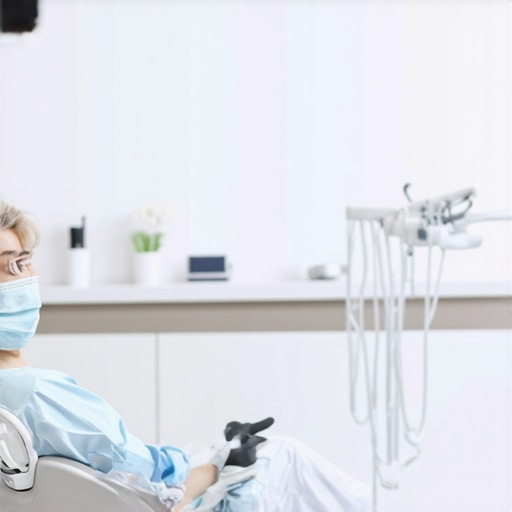
One evening, as I sat in my bathroom staring at my reflection, I felt that familiar flutter of anxiety creeping in—those nervous jitters that made every dental appointment seem like a daunting mountain to climb. It wasn’t the cavity check or the cleaning itself; it was the anticipation, the worry about the discomfort, the unfamiliar tools, and the lingering fear that somehow, I might lose control. That moment was a real eye-opener for me. I realized I wasn’t alone in this struggle—many people grapple with dental anxiety, and it can be downright paralyzing.
Breaking the Cycle of Dental Anxiety
Ever since I started taking my dental health seriously, I knew I had to find a way to manage these feelings. If you’re like me, perhaps you’ve canceled or postponed appointments because of fear, or you dread the thought of that shiny chair and the sounds that come with it. Well, here’s the good news: you don’t have to let anxiety control your dental care anymore. Today, I’m going to share how I learned to calm my nerves and what practical steps you can take before your next appointment to make it a smoother experience.
Is Your Fear Justified or Overblown?
Initially, I made a common mistake—I believed that ignoring my fears would make them go away. Nope. That only intensified my anxiety. I also underestimated how much preparation could help. For example, understanding what to expect, practicing calming techniques, and communicating openly with my dentist transformed those nerve-wracking visits into manageable ones. If you’re skeptical about whether these methods work, I get it. I used to think, “Would talking to my dentist really make a difference?” The answer turned out to be a resounding yes. Don’t fall into the trap of assuming all dental visits have to be stressful. Educating yourself and actively planning ahead can truly change your experience. Curious about common mistakes that make dental anxiety worse? One mistake I almost made early on was not informing my dentist about my fears, which left me feeling helpless. Learn more about how open communication can make a difference by reading about the importance of discussing your fears with your dentist.
Now, let’s dive into some actionable steps you can take today to make your upcoming dental appointment less intimidating. Trust me, relief is just around the corner.
Prioritize Your Communication with Your Dentist
Start by openly sharing your fears with your dentist. A quick example from my experience: I told my dentist about my anxiety, and she adjusted her approach, providing reassurance and explaining each step. This transparency created a collaborative environment where I felt more in control, much like agreeing on terms before a business deal. Remember, your dentist’s goal is your comfort, so don’t hesitate to voice your concerns and ask questions.
Use Deep Breathing Techniques to Stay Grounded
Next, practice deep breathing exercises before and during your appointment. For instance, I found that inhaling slowly through my nose for a count of four, holding for four, then exhaling for four seconds helped reduce my nervous energy. Think of your breath as a reset button for your stress levels. Regular practice of these techniques can be as effective as a mini meditation session, helping you stay present and composed during procedures.
Leverage Distraction Strategies for Focus
Bring a distraction of your choice—music, an audiobook, or a stress ball. Last time, I used my headphones and listened to calming music; it diverted my attention from the dental tools. It’s akin to tuning out background noise when trying to concentrate on a movie. These simple tricks can disarm anxiety-provoking thoughts and shift your focus to something relaxing, turning a mental hurdle into a manageable moment.
Prepare Your Oral Health Routine with the Right Tools
Having the proper brushing and flossing tools can prevent many problems that lead to anxious visits, like cavities or gum disease. I switched to soft-bristled toothbrushes because they’re gentler and better for receding gums, aligning with the advice found here. Additionally, avoid aggressive brushing that can cause gum sensitivity. Consistent, gentle cleaning not only reduces your risk of dental issues but also fosters confidence in your oral care, making visits less intimidating.
Schedule Smartly and Stick to Routine Checks
Plan your appointments during times when you feel most relaxed—perhaps in the morning or after exercise. I learned that avoiding appointment times when I was rushed or stressed made all the difference. Think of it like scheduling a workout before a big event; you want your mind and body prepared. Routine visits prevent small issues from escalating, reducing the need for invasive procedures that can spike anxiety.
Prepare Your Questions for the Dentist
Jot down any concerns or questions beforehand. During my last visit, I asked about the sensation of my crown feeling tight when I eat sweets, which you can read about here. Knowing what to expect transforms the unknown into something familiar, like following a clear map through a foreign city. Asking questions also empowers you, making the experience more collaborative and less intimidating.
Practice Post-Visit Relaxation
After your appointment, reward yourself with something calming—be it a walk, tea, or a favorite book. I remember taking a gentle walk after my last cleaning, which helped dissipate residual nerves. Think of it as repaying your brain for managing stress effectively. Building a positive association with dental visits encourages a healthier, less fearful mindset over time.
Implementing these strategies will not eliminate anxiety overnight, but each small step enhances your confidence and control. Just like training a muscle, repeated practice makes the process smoother and more natural, paving the way for dental visits that are less daunting and more routine.
Many patients enter the dental office with preconceived notions that, while popular, are often flawed or oversimplified. For example, a widespread myth is that teeth cleaning alone can prevent serious dental issues. While professional cleanings are essential, they don’t replace good at-home oral hygiene or address deeper problems like cavities or gum disease. Relying solely on cleanings without consistent daily care can lead to overlooked issues, increasing the risk of needing more invasive procedures like crowns or root canals later on.
Another misconception involves crowns, with many assuming all crowns are equally durable and natural-looking. However, selecting the wrong type of crown—such as metal versus porcelain—can significantly impact longevity and aesthetics. The choice depends on factors like location in the mouth, biting force, and cosmetic desires. For instance, [the gold versus ceramic crown debate](https://periodontistcare.com/the-gold-vs-ceramic-debate-which-crown-actually-lasts-longer) highlights that different materials excel in different situations.
A common mistake that many overlook is the assumption that aggressive brushing or overuse of whitening products doesn’t harm their teeth. Excessive force can wear down enamel and cause gum recession, which might necessitate crowns or other restorative work later. Regularly inspecting your brushing technique with resources like [how to tell if you’re brushing too hard](https://periodontistcare.com/how-to-tell-if-youre-brushing-too-hard) can prevent long-term damage.
**Advanced Question: Why are some people more prone to crown failure despite diligent care?**
It’s not just luck or daily habits—biological factors like bone density, gum health, and jaw structure play a role. For example, if the supporting gums and bone are compromised, the crown’s stability may diminish over time. Moreover, improper crown placement or poor fit can lead to complications like [a loose crown](https://periodontistcare.com/the-tapping-test-how-to-tell-if-your-crown-is-loose), which increases the chance of misalignment, decay, or breakage.
To maximize the lifespan of crowns and maintain optimal oral health, understanding these nuances is crucial. Consulting with your dentist about personalized risks and treatment options ensures you’re not falling into common traps that can jeopardize your investment in dental care. Did you ever assume a dental issue was simple when it had deeper roots? Share your experience in the comments—I’d love to hear your story.
Make Maintenance Work for You: Essential Tools and Strategies
Maintaining your oral health over time requires the right tools and consistent routines. Personally, I swear by investing in high-quality equipment that simplifies daily care and prevents issues before they escalate. For example, I prefer electric toothbrushes with pressure sensors. These devices alert me if I’m brushing too hard, which can cause gum recession, as explained here. By avoiding aggressive brushing, I protect my gums and prolong the life of my crowns.
Additionally, I incorporate interdental brushes into my routine. Unlike traditional floss, they conform to the shape of my braces and crowns more comfortably, reducing the risk of damaging delicate areas. Regular use enhances plaque removal without irritating sensitive tissues. Over time, this consistent maintenance helps ensure my long-term dental health and minimizes visits for more invasive procedures.
For routine cleaning, I rely on ultrasonic scalers. While professional cleanings are crucial, investing in a good home ultrasonic device allows me to remove tartar deposits that might otherwise irritate my gums or compromise crowns. My dentist recommended the HydroClean model, which I find incredibly effective at keeping my mouth fresh and healthy between visits. This proactive approach prevents small problems from snowballing into costly treatments.
Predicting future trends, I believe advanced smart devices will become more integrated into home dental care. Imagine toothbrushes that sync with your smartphone, analyzing brushing patterns for optimal results. Companies are already developing AI-powered tools that provide personalized tips and detect early signs of decay, as discussed here. Embracing these innovations now can give you a significant advantage in maintaining your dental health long-term.
How do I maintain my crowns and prevent long-term issues?
One of the most overlooked aspects is ensuring your crowns remain in pristine condition. Daily habits like proper cleaning are vital; I use a soft-bristled, electric toothbrush with a specialized brush head designed for crowns and porcelain surfaces. Gentle yet thorough brushing prevents plaque buildup around the margins, which can cause secondary decay underneath crowns. Additionally, I avoid sticky or very hard foods that might loosen or crack my crowns. Regularly inspecting your crowns with the tapping test helps catch early signs of loosening, saving time and expense.
In the future, I predict even smarter materials—like self-healing ceramics—will extend crown longevity. Combining these advances with meticulous routine care can help maintain your oral health and the investments you’ve made in your smile. For now, adopting a disciplined approach with the right tools will keep your crowns functioning beautifully for years to come.
If you’re ready to enhance your maintenance routine, I suggest trying out a pressure-sensing electric toothbrush combined with interdental brushes. These small tweaks can significantly improve your daily oral health, giving you peace of mind about long-term dental success.
Lessons That Changed My Dental Journey in Unexpected Ways
- One of the biggest surprises was realizing that my misconceptions about crowns and oral care often hindered my progress. For instance, I used to think that any crown would do, but understanding the differences between materials like porcelain and ceramic truly transformed my approach and longevity. Learn more about crown materials.
- Prioritizing open communication with my dentist was an eye-opener. Sharing my fears didn’t make me appear weak—instead, it fostered trust and tailored my treatments to reduce anxiety. This simple step helped me feel more in control and reduced the dread of future visits.
- Practicing relaxation techniques like deep breathing turned out to be a game-changer. I ingested calming breaths before each appointment, which significantly decreased my discomfort and anxiety, even during more invasive procedures.
- Investing in the right tools, such as an electric toothbrush with pressure sensors, made a noticeable difference in my gum health. It prevented overbrushing, which can cause recession and sensitivity, directly impacting the longevity of my crowns and overall oral health.
My Arsenal of Trusted Dental Resources
- Professional-grade electric toothbrushes: They help maintain gentle, effective cleaning, especially around crowns and delicate gums. I personally use models with pressure sensors that alert me when I brush too hard.
- Educational blog posts like those from PeriodontistCare: They clarify myths and offer practical tips, such as why soft bristles are better for your receding gums.
- Regular check-up routines: Scheduling appointments during relaxed times prevents rushing and stress, reducing anxiety and ensuring prompt detection of issues that could threaten crowns or teeth.
- Personalized questions for your dentist: Preparing a list ensures you’re informed and involved, making your visits more collaborative. For example, asking about crown tightness or signs of loosening can preempt larger problems, especially if you read how to tell if your crown is loose.
Embrace Your Power to Shape a Brighter Dental Future
Every step taken towards understanding and managing your dental health builds confidence and resilience. Remember, you hold the key to making your dental visits less intimidating and your crowns last longer. Consistent care, open dialogue, and smart tool choices can turn a routine appointment into a step toward a healthier, more radiant smile. It’s never too late to start advocating for your dental wellbeing — and the rewards extend beyond the mirror. What’s one change you’re ready to implement from today’s insights? Drop your thoughts below and let’s support each other in our journey toward optimal oral health.
,