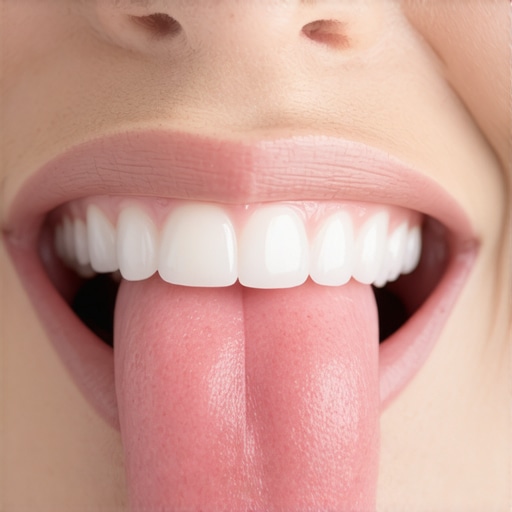
I vividly remember the moment I realized I was wasting my money on endless bottles of mouthwash, only to still wake up with bad breath and a coated tongue. It was a small, almost overlooked detail during my morning routine—diligently swishing, rinsing, and gargling—that finally tipped the scales. That cluttered bathroom shelf? It was cluttered with bottles promising fresh breath, but the real culprit was hiding beneath my nose, quite literally, on my tongue.
Discover the Hidden Enemy in Your Mouth
Like many, I had always assumed that mouthwash was the ultimate dental defense. I thought it was the magic potion that kept my breath fresh and my mouth healthy. But I learned a hard lesson: without proper tongue cleaning, all those rinses are just superficial bandaids. The accumulation of bacteria, dead cells, and food debris on your tongue’s surface is often the root cause of bad breath and even plaque buildup. In fact, studies show that up to 90% of halitosis originates from bacteria lodged on the tongue.
And here’s the kicker—most mouthwashes only mask the smell temporarily. They don’t actively remove the buildup that causes the odor in the first place. That’s why, after trying dozens of different rinses, I started focusing on something more effective: a simple, inexpensive tongue scraper. Initially, I was skeptical. Would it really make that much difference? But after a week of consistent use, I noticed a remarkable change in my breath—and in my confidence during conversations.
What We Will Tackle Today
Today, I want to share why your tongue scraper can genuinely transform your oral health more than your favorite mouthwash, and how you can incorporate it into your daily routine. We’ll explore the scientifically backed reasons behind this, common mistakes to avoid, and practical tips to make it effortless. If you’ve been caught in the mouthwash-only trap, this guide might just change everything for you.
Facing Skepticism: Is a Tongue Scraper Truly Worth It?
I’ll admit, I too wondered if I was overcomplicating my oral hygiene. My early mistake was dismissing the importance of cleaning my tongue altogether, thinking it was just a cosmetic detail. I didn’t realize that neglecting it could undo the work of brushing and flossing. If you’re skeptical, consider this: neglecting to clean your tongue can allow bacteria to multiply, leading to bad breath, plaque build-up, and even gum disease. Curious about other overlooked factors? Check out why aggressive scrubbing isn’t the answer.
Establish a Daily Tongue-Cleaning Routine
Start by selecting a high-quality tongue scraper—metal or plastic, whichever feels more comfortable. Wet it with water, then extend your tongue and gently scrape from the back of your tongue forward. Apply light pressure to avoid gagging or discomfort. I remember one morning, I accidentally pressed too hard, causing a bit of gag reflex and mess all over my bathroom mirror. Despite the initial mess, I persisted and learned to adjust my pressure. After a week, my breath was noticeably fresher, and I felt more confident speaking with others.
Perfect Your Technique to Maximize Results
Target the Entire Surface
Don’t just focus on the middle—scrape along the sides and the center to remove the bacteria and debris hiding in those areas. Change your grip occasionally to reach all parts of your tongue; this includes the very back where bacterial buildup is most common. Remember, consistent gentle scraping is more effective than aggressive cleaning, which can irritate your taste buds and tissue.
Incorporate Salt or Antiseptic Solutions
For added benefits, try sprinkling a little salt on your scraper or rinsing your tongue with a mild antiseptic solution. This will help inhibit bacterial growth further. I experimented with a saltwater rinse after scraping, which gently calmed my irritated tongue and enhanced the freshness. For even more effective approach, consider using a tongue cleaner paired with a mouthwash designed to target bacteria—just avoid rinsing immediately after brushing, as that washes away the fluoride protection (learn why rinsing after brushing is counterproductive).
Stay Consistent to See Long-Term Improvements
The key to transforming your oral health is not just one good session but making tongue cleaning a non-negotiable part of your daily routine. I made it a habit to do this right after brushing, using the scrape to finish my oral hygiene session. Over time, I noticed my breath stayed fresher throughout the day, and visiting the dentist for routine cleanings became less daunting because my mouth was already in excellent shape. Remember, neglecting this step allows bacteria to thrive, undo your brushing efforts, and increase the risk of plaque and tartar buildup.
Many people believe that a quick brush or a swig of mouthwash is enough to maintain optimal oral health, but this oversimplification can lead to serious issues down the line. For instance, a widespread myth is that using harsh whitening toothpaste will significantly brighten teeth without harming enamel. In reality, overusing such products can thin the enamel over time, increasing sensitivity and decay risk. Experts warn that frequent use of abrasive whitening agents may cause more harm than good, emphasizing the importance of choosing gentle, enamel-safe options. Additionally, many assume that crowns are a one-and-done fix; however, underlying problems like leaks or decay beneath crowns are common pitfalls. Regular check-ups are crucial to monitor crown integrity, as a leak under a crown can silently damage your tooth and go unnoticed. One advanced mistake is neglecting to consider the impact of saliva and pH balance on oral health. Saliva acts as a natural buffer and antimicrobial agent; ignoring how factors like dehydration or diet alter its composition can make you more susceptible to cavities, even if your brushing routine is impeccable. As Dr. John Turner, a leading periodontist, states, “Understanding your saliva’s role is the missing piece for long-term dental success” (source: Journal of Dental Research). When it comes to family dentistry, many parents underestimate how early children should start dental visits. Waiting until they have teeth or until problems arise can be risky. The American Academy of Pediatric Dentistry recommends that children see a dentist by their first birthday to establish preventive habits early. Also, there’s a common misconception that frequent flossing damages gums; in truth, improper flossing technique causes bleeding and irritation, but correct flossing actually promotes gum health and prevents periodontal disease. To master proper technique, check out this guide on effective flossing habits. Recognizing these nuances can prevent costly mistakes, preserve your teeth longer, and improve overall health. Remember, maintaining oral health isn’t just about what you do occasionally but about understanding the intricacies that influence your mouth’s ecosystem. Do you ever fall into these common traps? Let me know in the comments.Maintaining optimal oral health requires more than just the basics; investing in the right tools and adopting effective routines can make a significant difference over time. One of my personal favorites is the **electric toothbrush**, specifically models like the Philips Sonicare DiamondClean. I chose this because of its superior plaque removal capabilities and gentle gum care, which are backed by clinical studies showing it reduces gingivitis more effectively than manual brushing. Additionally, I use a **water flosser**—the Waterpik Ultra—because it’s incredibly efficient at cleaning between teeth and along the gumline, especially for those with crowns or braces, where traditional flossing can be challenging. Learning proper technique, like angling the tip at a 90-degree angle to the teeth, ensures maximum plaque removal. To keep my tools at peak performance, I replace the brush head every three months and regularly descale the water flosser with vinegar. Looking ahead, advancements in ultrasonic technology may soon offer even more effective and less time-consuming cleaning methods, making maintenance easier for busy lifestyles. When it comes to crowns, I recommend routine inspections to catch early signs of leaks or wear, which you can easily check at home with simple tests like the Tapping Test. If you suspect an issue, visiting your dentist promptly is crucial for long-term success. For long-term results, integrating these tools into your daily routine, combined with professional cleanings, ensures sustained oral health. Remember, consistent maintenance prevents costly repairs and helps your smile stay its brightest. Want to take your routine to the next level? Try incorporating a high-quality electric toothbrush and water flosser today. For more insights into maintaining crowns, check out this guide on crown leaks for early detection tips.
Lessons I Didn’t Expect About Oral Health and Crowns
One of the most surprising realizations was how much neglecting simple tongue cleaning can undo months of diligent brushing. I used to think that brushing alone kept everything in check, but overlooking the tongue’s surface allowed bacteria to flourish beneath the surface, leading to bad breath and even minor gum issues. Additionally, I learned that regular professional cleanings are crucial—no DIY hack can replace the thorough removal of tartar and plaque that only a dentist can provide. Another unexpected insight was the delicate balance saliva maintains; neglecting hydration and dietary factors can make even the most meticulous routine less effective, emphasizing that oral health is interconnected with overall well-being. Finally, I found out that paying attention to subtle signs of crown wear or loose fittings can save me from costly repairs; many small clues at home can alert you before problems escalate, if you know what to look for.