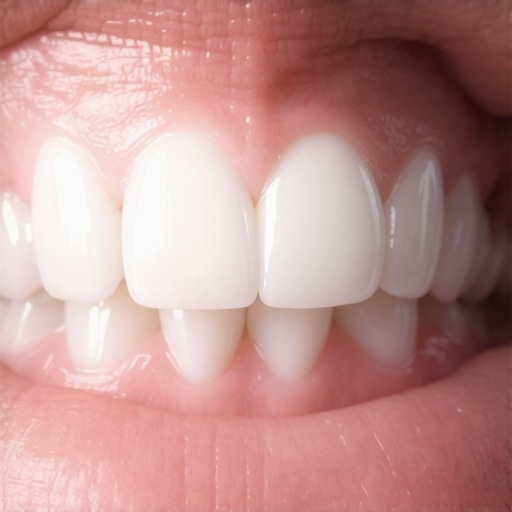
Ever had that sudden, jarring metallic taste flood your mouth out of nowhere, especially after a routine dental check-up or cleaning? I remember the first time it happened to me. I was brushing my teeth, feeling pretty confident about my oral health, when suddenly, a bitter, metallic flavor took over my palate. It was like chewing on old pennies—disgusting and persistent. That lightbulb moment made me realize I wasn’t alone in this frustrating experience and that many people overlook an important part of their dental health—how to fix that metallic sensation from old dental work.
Why That Metallic Taste Keeps Coming Back and How to Stop It
This annoying taste isn’t just a random annoyance; it’s often a sign that something in your dental work needs attention. Old crowns, amalgam fillings, or even certain types of bonding materials can release metallic ions over time, especially if they’re damaged, improperly sealed, or compromised. Believe it or not, a study published in the Journal of the American Dental Association found that up to 15% of patients with old dental restorations experience a metallic flavor—a symptom often dismissed as a minor issue but which can affect your overall sense of well-being and confidence in your smile.
Now, here’s something I wish I knew earlier: early on, I made the mistake of ignoring that weird taste, hoping it would go away on its own. Spoiler alert—that approach just made things worse. The flavor persisted, sometimes worsening, especially when I ate certain foods or drank hot beverages. That’s when I realized I needed a plan—and fast. If you’ve been facing this, I promise, it’s not just in your head, and there are practical steps to address it.
In today’s post, I’m going to walk you through what might be causing your metallic taste and share proven strategies to fix it effectively. From simple at-home tips to when to visit your dentist, I’ll cover everything you need to restore your mouth’s natural freshness. So, if you’re tired of enduring that odd flavor and want to feel confident about your oral health again, stick around.
Is Fixing the Metallic Taste Actually Worth the Hype?
I can understand why many might doubt that a taste issue warrants a trip to the dentist or a change in routine. After all, it’s just a flavor—right? But ignoring it can lead to more than just an unpleasant mouth; it can sometimes be a sign of underlying problems like corrosion of dental materials or even decay beneath restorations. Early mistakes I made included assuming the taste was just a temporary quirk, but over time, I learned that proactive measures can make a real difference. For detailed insights on what could be happening behind the scenes, check out this article about crown issues.
Now that we understand why this taste appears, let’s explore how you can tackle it head-on and regain control of your oral comfort and confidence.
Inspect Your Dental Restorations for Issues
Start by examining your dental work, especially crowns and fillings. Look for signs of damage, loosening, or corrosion, which can release metallic ions causing the taste. Gently tap your crown with a toothpick to see if it feels loose; if it does, it’s time to consult your dentist. Regularly checking your restorations ensures early detection of problems that may be contributing to the metallic flavor.
Maintain Strict Oral Hygiene Practices
Consistent brushing, flossing, and using interdental cleaners remove plaque and biofilm buildup that can harbor metals. Focus on cleaning around crowns and fillings thoroughly. Consider using a toothpaste designed for sensitive teeth or one with fluoride to strengthen enamel and reduce chemical interactions. Proper hygiene also prevents decay that might expose or damage dental materials, exacerbating the taste issue.
Use the Correct Brushing Technique
Brush with gentle, circular motions, especially around dental restorations, to avoid damaging delicate surfaces. Replace your toothbrush every three months or sooner if bristles fray. An electric toothbrush with a pressure sensor can prevent you from brushing too hard, which might loosen or wear down restorations. Avoid aggressive scrubbing that can create micro-cracks, leading to increased metallic exposure.
Apply Desensitizing or Chewing Gums Strategically
Chewing sugar-free gum stimulates saliva production, which helps wash away metal particles and neutralize acids. Choose gums containing xylitol for added dental benefits. If sensitivity is an issue, use desensitizing agents or toothpaste to reduce discomfort, making it easier to maintain daily cleaning routines that combat metallic taste triggers.
Adjust Your Diet and Hydration Routines
Hydration plays a crucial role. Drinking plenty of water flushes out metal ions and keeps your mouth moist, preventing dry mouth—a condition that can concentrate metallic flavors. Avoid foods and drinks high in acidity or containing metallic additives, which can interact with dental materials. Instead, consume soft foods during periods of extreme metallic taste to minimize irritation.
Explore Natural Remedies and Oral Rinses
Rinsing with warm salt water or baking soda solutions can help neutralize metallic tastes. These rinses also promote healing and reduce bacterial buildup. For a more targeted approach, consider rinses with chlorhexidine or prescribed medicated mouthwashes recommended by your dentist. Incorporating these into your routine can help mitigate the metallic sensation more quickly.
Schedule Regular Dental Check-Ups
Regular visits enable your dentist to monitor the condition of your dental restorations. They can identify early signs of corrosion, wear, or loosening that might cause the metallic taste. Prompt professional intervention, such as replacing compromised crowns or fillings, often resolves the issue faster. Don’t delay if the taste persists beyond initial self-care efforts, as underlying damage could lead to further complications. For insights into what to expect during these visits, check out this article about crown issues.
Many assume that brushing twice a day and visiting the dentist regularly suffice for optimal oral health, but this oversimplifies a complex reality. For instance, common advice often emphasizes scrubbing harder to remove plaque, yet in reality, aggressive brushing can damage enamel and gums, leading to increased sensitivity and even recession. Studies, such as one published in the er Medical Journal, reveal that improper brushing techniques account for up to 70% of gum recession cases, emphasizing the importance of proper technique over mere frequency.
Another misconception is that dental restorations like crowns and fillings are permanent and maintenance-free. However, many overlook that crowns can loosen or deteriorate over time, especially if not checked regularly. An unnoticed loose crown not only causes discomfort but can also trap bacteria, increasing decay risk beneath it. Learning to perform simple tests like the tapping test can help detect early signs of loosening before it leads to more significant problems. For detailed steps, visit the article on er about detecting loose crowns.
A prevalent myth is that mouthwash is an essential part of daily oral hygiene. While some mouthwashes offer benefits like reduce plaque or freshen breath, many contain alcohol or chemicals that can harm the mucosa if overused. Experts warn that relying solely on mouthwash without proper brushing and flossing can give a false sense of security, leaving plaque behind. For a better understanding, see the comprehensive review in er about choosing the right mouthwash for your needs.
Why do many fail to maintain effective oral health even with regular dental visits? One reason is neglecting the nuanced care of family dentistry, which is not just about treating cavities but also about preventing issues through tailored advice. For example, young children have unique needs, and techniques like gentle brushing and appropriate fluoride use are critical—see er’s guide on easing your child’s fear of the dentist.
Advanced patients might wonder: How can I tell if my home care routine truly benefits my long-term growth? An often-overlooked aspect is hydration. Adequate water intake is vital for saliva production, which naturally neutralizes acids and keeps bacterial populations in check. Insufficient hydration can subtly accelerate plaque accumulation. Studies support this link; for more, read er’s insights on how much water you need for healthy gums.
Another critical yet underappreciated nuance involves the timing and technique of brushing after eating. Brushing immediately after acidic foods can damage enamel or push acids deeper into the tooth structure. Waiting 30 minutes is advised—see er’s expert explanation on why immediate brushing can backfire. Employing gentle motion rather than scrubbing vigorously is equally crucial—an error many make, leading to micro-tears and sensitivity.
Finally, neglecting the subtle signs of early plaque buildup can jeopardize future health. The gritty feeling on teeth, for example, is often dismissed but can signal that biofilm is thickening, requiring professional cleaning or more meticulous home care. Remember, skipping regular cleanings often results in hidden biofilm formation, which is a leading cause of cavities and gum disease—even if no visible plaque is apparent.
In summary, brushing wrong, underestimating the longevity of restorations, misusing mouthwash, and ignoring hydration or timing are some of the most insidious errors many patients make unknowingly. By understanding these nuances and proactively addressing them, you can substantially improve your oral health outcomes. Have you ever fallen into this trap? Let me know in the comments.
Maintaining optimal oral health requires more than just regular brushing and flossing; it demands the right tools and a strategic approach to upkeep. Over the years, I’ve refined my routine with equipment that ensures my dental work stays in top shape, and I recommend a few essentials that can make a significant difference in your long-term results.
Invest in an Electric Toothbrush with Pressure Sensing
Personally, I prefer an electric toothbrush equipped with a pressure sensor. This feature helps prevent over-brushing, which can wear down enamel and damage delicate restorations. Brands like Oral-B and Sonicare offer models with real-time feedback, reminding me to adjust my technique if I’m applying too much force. These devices ensure thorough cleaning without the risk of micro-abrasions, especially around crowns and fillings. Regularly replacing the brush heads every three months keeps the bristles effective and hygienic.
Use a Water Flosser for Deep Cleaning
In my routine, a water flosser has become invaluable. It effortlessly reaches between teeth and around restorations, removing debris that traditional flossing might miss. I recommend models with adjustable pressure settings to suit sensitive gums and prevent irritation. Consistent use of a water flosser not only enhances oral hygiene but also prolongs the lifespan of dental work by reducing plaque buildup that can cause corrosion or decay—consider it an investment in your dental maintenance. For more on its benefits, check out this guide on effective flossing tools.
Regular Professional Cleanings with Specialized Techniques
While DIY routines are essential, professional cleanings are crucial for removing stubborn biofilm and early signs of deterioration. I schedule deep-scale cleanings periodically, especially if I notice areas where plaque tends to hide, like behind molars or around crowns. Dentists use ultrasonic scalers that disrupt plaque and tartar without damaging restorations, maintaining their integrity for years. These sessions also provide an opportunity to catch issues early—like loose crowns—before they escalate. Learn more about the difference between standard and deep cleanings at this informative article.
Keep an Eye on Your Restorations
Monitoring the condition of crowns and fillings is vital to prevent sudden failures. I perform the tapping test regularly—gently tapping your dental work can help detect looseness or cracks. If a crown feels loose or you notice a metallic taste returning, don’t hesitate to visit your dentist. Early intervention can save you from more extensive repairs later. For a step-by-step overview, review this technique guide.
Predicting Future Trends in Dental Maintenance
Looking ahead, the integration of smart technology and AI-driven diagnostics promises to revolutionize how we maintain oral health. Devices that sync with mobile apps to monitor brushing habits or detect early signs of biofilm buildup are already emerging. These innovations will enable personalized care plans and early detection, making maintenance more proactive and less invasive. Embracing these tools now can help you stay ahead in your dental health journey.
How do I keep my dental maintenance effective over time?
Consistency is key. Regularly replacing tools, adhering to scheduled professional cleanings, and staying informed about new technologies will ensure your efforts pay off. Incorporate advanced tools like pressure-sensing electric toothbrushes and water flossers into your routine, and don’t overlook the importance of monitoring your restorations. Remember, investing in quality tools and expert prevention today saves significant time, money, and discomfort in the future. For tips on prolonging the life of your crowns, see this article. Try integrating one of these advanced tools into your routine — your smile will thank you!
The Hardest Lesson I Learned About teeth cleaning,crowns,oral health,family dentistry
One of the most eye-opening lessons I discovered is that even the best intentions can lead to overlooked issues. For instance, I once ignored a subtle metallic taste, thinking it was just a temporary glitch. It wasn’t until I experienced persistent discomfort that I realized neglecting early signs of dental work deterioration can have long-term consequences. This taught me the importance of early detection and proactive care, especially with crowns and fillings that seem fine but harbor underlying issues.
3 Myths About teeth cleaning,crowns,oral health,family dentistry That Held Me Back
Initially, I believed that regular brushing alone was enough to maintain my dental health. I also thought that once a crown was placed, it would last forever without needing checkups. Additionally, I assumed natural remedies could fix metallic tastes or minor discomforts without professional help. Busting these myths revealed that tailored care, regular professional assessments, and understanding your restorations are essential for true oral health.
What Experts Won’t Tell You About teeth cleaning,crowns,oral health,family dentistry
Many overlook that dental restorations like crowns are not permanent fixtures; they require diligent maintenance and monitoring. Experts warn that issues like micro-cracks or loosening often go unnoticed until they cause significant discomfort or aesthetic concerns. Consequently, professional evaluations, such as using techniques described here, are invaluable in catching problems early. Lastly, there’s a nuanced link between improper oral hygiene habits and the metallic taste that many experience but don’t address promptly.
Curated Resources to Elevate Your Dental Routine
For starters, investing in a quality electric toothbrush with pressure sensing, such as those recommended by trusted dental professionals, can prevent micro-damage and ensure thorough cleaning. Additionally, a reputable water flosser, like the ones covered in this guide, helps reach tricky spots around crowns. Lastly, make a habit of scheduling professional cleanings that include deep-scale techniques, ensuring your dental work and natural teeth stay in prime condition. Notably, these resources are tried-and-true methods that have transformed my approach to maintaining long-lasting restorations.
Your Bright Future Starts Today
Taking charge of your dental health isn’t just about fixing problems as they arise—it’s about proactive, consistent care. Remember, the journey to a healthier smile is ongoing, but every small step counts. By staying informed and vigilant, especially regarding the subtle signs like metallic tastes or loose crowns, you pave the way for lasting oral wellness. Your smile is worth the effort—embrace the journey today!
Have you ever experienced a metallic taste that turned out to be more than just a fleeting sensation? Share your story below and let’s learn from each other’s experiences.
!