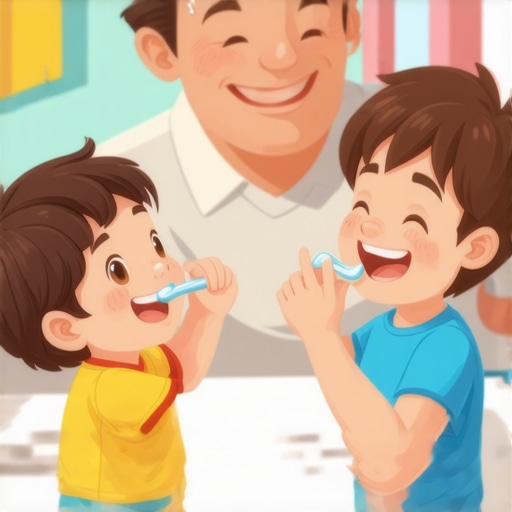
It was a frantic Thursday evening when I finally hit my breaking point. My youngest, usually my easiest to cajole, was stubbornly hiding behind the sofa with a toothbrush in hand, tears streaming down her face. Despite my best efforts, brushing time was turning into a nightly battleground, leaving both of us frustrated and my mind racing for a better approach. That was the moment I realized I needed a game-changer—a simple yet effective trick to get my kids to actually enjoy brushing their teeth.
The Secret to Making Brushing Enjoyable for Kids
As parents, we all know the struggle. Brushing can be a fight, a chore, or worse—an ongoing source of stress at the end of a long day. But what if I told you that just two minutes, combined with a little creativity, could transform brushing into a fun ritual instead of a dreaded chore? Over the years, I’ve discovered that engaging kids with simple techniques not only improves their oral health but also helps establish lifelong habits. Today, I want to share that magic trick and how it can work wonders in your home.
Is This Trick Really Worth the Hype?
Early on, I made the mistake of thinking that all kids would naturally enjoy brushing if I just explained its importance. Spoiler: That didn’t work. Kids crave interaction, fun, and a sense of achievement, which is why a straightforward approach often falls flat. My breakthrough came when I realized that turning brushing into a game—something that feels less like a chore—was the key. This isn’t just my tip; experts agree that making oral hygiene engaging can dramatically boost motivation. In fact, a study published in the Journal of Clinical Pediatric Dentistry emphasized the importance of fun in establishing proper dental hygiene routines.
So, how did I finally crack the code? The core idea is simple: **pair the two-minute brushing with a playful challenge or a reward system**. Whether it’s singing a favorite song, setting a timer with fun visuals, or rewarding consistent effort with stickers, the possibilities are endless. The goal is to make every brushing session feel like an achievement, not a punishment.
Have you faced a similar standoff with your kids at brushing time? If so, you’re not alone—and the good news is that a tiny shift in approach can make a huge difference. Ready to learn exactly how to implement this trick in your home? Let’s get started with some actionable steps that have worked like a charm in my family and could do the same for yours.
Set Up a Playful Environment for Brushing
Start by creating a fun atmosphere that motivates your child. Use colorful timers or play their favorite song to mark the two-minute brushing window. For example, I once played “Baby Shark” during brush time, which naturally encouraged my daughter to brush thoroughly without fuss. This association turned a chore into an anticipated activity, making it easier for both of us.
Use Visual Timers and Fun Challenges
Visual timers with animated characters or countdown visuals can make timekeeping engaging. I’ve used a sand timer shaped like a cartoon character, racing against it to finish brushing before the sand runs out. This instills a sense of accomplishment and helps kids understand the importance of brushing long enough to clean every corner of their teeth.
Incorporate Rewards and Incentives
Reward systems like sticker charts or small prizes after a week of consistent brushing can boost motivation. I kept a sticker chart on the bathroom mirror, and my daughter earned a new storybook after earning ten stickers. Rewards must be immediate and meaningful to reinforce positive habits effectively.
Introduce Interactive Techniques for Better Cleaning
Turning brushing into an interactive game encourages kids to focus on all areas. For instance, I assigned her the role of a “tooth detective,” searching for plaque in tricky spots. This not only makes brushing interesting but also educates her on areas often missed, like along the gumline.
Teach Proper Technique with Micro-Stories
Demonstrate by narrating a story, such as: “Imagine your toothbrush as a tiny broom sweeping dust from between the teeth.” Show her how to angle the brush at 45 degrees towards the gumline and wiggle gently. Repetition of this story reinforces correct technique and makes the routine memorable.
Make Flossing Fun and Easy
While flossing can seem daunting, using flavored flossers or fun-colored picks can be appealing. I once used a floss pick shaped like a superhero, which my son loved to use. For children resistant to flossing, explore alternatives like [interdental brushes](https://periodontistcare.com/the-best-way-to-clean-between-teeth-if-you-hate-flossing), which are easier to handle and effective at removing plaque between teeth.
Address Special Dental Needs Effectively
Kids with crowns, braces, or other dental appliances might need tailored care. For instance, cleaning around crowns requires gentle brushing to prevent dislodging the restoration. Use a soft brush and gentle strokes, and for crowns that feel loose or feel strange, consult your dentist—perhaps it’s time to [check if your crown is fitting perfectly](https://periodontistcare.com/the-difference-between-a-standard-cleaning-and-a-deep-scale). Maintaining good hygiene around crowns prevents decay and extends their lifespan.
Use Proper Tools to Keep Dental Work Safe
For crowns or braces, non-abrasive toothpaste and soft-bristled brushes are essential. I recommend switching to an electric toothbrush with a timer and pressure sensor; this ensures effective cleaning without risking damage. Also, use water flossers for gentle yet thorough cleaning around brackets or crowns, following advice from [how a simple mouth rinse can reduce plaque](https://periodontistcare.com/how-a-simple-mouth-rinse-can-reduce-plaque-by-half).Many people believe they know enough about oral health, but in reality, some widespread assumptions can actually do more harm than good. Let’s dig deeper into what most get wrong about teeth cleaning, crowns, and family dentistry, and uncover the hidden nuances that can elevate your dental routine.
A prevalent myth is that brushing vigorously is the best way to remove plaque. In fact, **over-brushing can damage gums and enamel**, leading to sensitivity and recession. Dentists recommend using gentle, circular motions with a soft-bristled toothbrush, and employing techniques like the ‘2-minute rule’ to ensure thorough cleaning without harm. For more on proper brushing, check out our guide on the [proper way to clean your tongue without gagging](https://periodontistcare.com/the-proper-way-to-clean-your-tongue-without-gagging).
When it comes to crowns, many think they should feel completely natural immediately after placement. However, **a common mistake is assuming a crown is perfect if it doesn’t hurt right away**. Sometimes, crowns that seem fine initially can cause issues later, such as misaligned bites or discomfort. This underscores the importance of proper fit — that’s why your dentist may perform tests like the [tapping test to check crown stability](https://periodontistcare.com/the-tapping-test-how-to-tell-if-your-crown-is-loose). Also, if a new crown feels tight or strange, it may be worth verifying if it’s impacting your bite, a concern addressed in detailed assessments like the [bite test](https://periodontistcare.com/the-tapping-test-how-to-tell-if-your-crown-is-loose).
Family dental routines often focus solely on brushing and flossing, but there’s a critical nuance many overlook: **the choice of cleaning tools and techniques matter just as much as frequency**. Flossing with traditional string can be time-consuming and sometimes ineffective if not done correctly. Instead, explore options like flavored interdental brushes or water flossers, which have been shown to improve plaque removal effectively. Learn more about the best way to handle interdental cleaning in our dedicated post on [how to tell if your flossing method is effective](https://periodontistcare.com/the-best-way-to-clean-between-teeth-if-you-hate-flossing).
Addressing dental health is not just about routine; it’s about understanding the subtle nuances that can influence outcomes. For example, many assume that using the strongest toothpaste offers the best protection. In reality, excessive abrasiveness can damage enamel—a problem addressed in our article on [the gritty truth about abrasive toothpastes](https://periodontistcare.com/why-scrubbing-harder-wont-fix-stained-enamel).
Another common oversight involves crowns and restoration longevity. Some believe that once a crown is placed, no further care is needed, but neglecting regular checkups can lead to decay underneath crowns or improper fit. Regularly scheduled examinations and professional cleanings are vital, especially when considering the [difference between a standard cleaning and a deep scale](https://periodontistcare.com/the-difference-between-a-standard-cleaning-and-a-deep-scale).
While many focus on immediate appearance, it’s essential to understand the long-term health implications of our choices. For instance, using harsh mouthwashes can inadvertently weaken enamel over time, a risk discussed in our post about [how certain mouthwashes can kill your enamel](https://periodontistcare.com/how-a-simple-mouth-rinse-can-reduce-plaque-by-half).
In conclusion, achieving excellent oral health involves more than brushing harder or using the latest whitening products. It requires attention to the **hidden nuances and misconceptions that can trip even seasoned brushers**. Have you ever fallen into this trap? Let me know in the comments, and remember: an informed approach leads to a healthier, brighter smile.Maintaining your oral health over years requires more than just regular brushing and flossing; it demands the right tools and a keen understanding of their optimal use. Personally, I swear by electric toothbrushes equipped with pressure sensors and built-in timers. These features ensure I don’t brush too hard or too quickly, both of which can damage gums or leave plaque behind. The type of brush head matters too—soft bristles are gentler on receding gums, and replacing them every three months keeps the brush effective.
For interdental cleaning, I highly recommend water flossers. Unlike traditional floss, which can be tricky for many to use consistently, water flossers provide a gentle yet thorough cleaning around crowns, braces, or bridges. They effectively remove plaque from hard-to-reach areas and reduce gingivitis risk, a benefit supported by studies like the one published in the Journal of Clinical Dentistry.
To track your progress and stay motivated, digital apps that integrate with your toothbrush allow you to monitor brushing time and frequency. Over time, these tools can help establish consistent habits that pay off in the long run.
Looking ahead, the future of dental tools seems to be heading toward smarter, AI-powered devices that can analyze your brushing technique in real-time and offer personalized advice. Imagine a toothbrush that detects early signs of gum disease or enamel erosion before symptoms appear—making proactive care effortless.
**How do I maintain my dental tools to ensure they stay effective?** Simply rinsing electric toothbrush heads after use and replacing them regularly is fundamental. Sterilizing brushes with UV sanitizers can further eliminate bacteria buildup, especially important when multiple family members share tools. Additionally, keeping your water flosser clean according to manufacturer instructions prevents mold and bacteria growth.
Finally, pairing these tools with an antimicrobial mouth rinse used regularly, such as those discussed in our article on [how a simple mouth rinse can reduce plaque by half](https://periodontistcare.com/how-a-simple-mouth-rinse-can-reduce-plaque-by-half), enhances long-term outcomes. These combinations of advanced tools and proper maintenance will ensure your oral health stays optimal for years to come.
If you haven’t already, try incorporating a water flosser into your routine. Its ease of use and proven effectiveness make it a game-changer, especially for those with crowns or braces. Remember, consistent use and proper maintenance are the keys to keeping your results lasting. Want to optimize your technique further? Use a smart toothbrush with a pressure sensor and see the difference it makes over just a few weeks.
Through my journey, I’ve discovered that the most valuable lessons often come from unexpected moments—like that stubborn toothbrush battle which pushed me to rethink my approach entirely. The realization that making routines fun and engaging can transform dental care from a chore into a cherished ritual is a game-changer. Beyond techniques, it’s about fostering a mindset that prioritizes proactive care over reactive fixes, understanding that each smile is a reflection of consistent, mindful habits.
Investing in the right tools, like electric toothbrushes with pressure sensors or water flossers, elevates your routine and ensures durability for years. Pair these tools with knowledge from trusted sources—such as expert-reviewed guides and innovative products—to guarantee you’re not just cleaning teeth, but nurturing lifelong oral health.
Remember, your smile’s future isn’t just a matter of brushing harder but smarter. Embrace the little nuances, challenge misconceptions, and continuously seek better habits. It’s these subtle shifts that create profound changes, turning everyday routines into lifelong assets.
Wisdom That Changed My Dental Game
- Less is More: I learned that gentle brushing with the right technique is more effective and safer than vigorous scrubbing, preventing gum recession and enamel damage.
- Tools Matter: Quality electric toothbrushes and water flossers have been revolutionary in maintaining my oral health, especially around crowns and braces.
- Myth Busting: Dispelling misconceptions like “more toothpaste equals cleaner teeth” helped me avoid harmful abrasive pastes that can erode enamel.
- Regular Checkups Are Crucial: Prevention beats cure—seeing my dentist regularly ensures hidden issues are caught early, saving me pain and money later.
- Education Over Fixes: Investing time to understand the nuances of dental hygiene empowered me to make smarter choices, from diet to tool selection.
Tools That Keep My Smile Bright
- Water Flossers: Easy, effective, perfect for crowns and braces, and loved by my entire family.
- Electric Toothbrushes: My go-to for consistent results, with built-in timers and pressure sensors that prevent over-brushing.
- Antimicrobial Mouth Rinse: Keeps bacteria at bay and maintains fresh breath between brushes.
- Bi-annual Professional Cleanings: The backbone of my oral health regime, preventing plaque buildup and detecting issues early.
Seize the Power of Your Smile Today
Making small adjustments—like choosing the right tools and debunking myths—can lead to extraordinary benefits. Your dental future is in your hands, and with the right knowledge and habits, you’re capable of achieving a confident, radiant smile for life. Embrace the journey, and remember: every step forward is a step toward better health and happiness.
What’s one change you’re excited to try in your dental routine? Share your thoughts below—I’d love to hear your stories and tips!