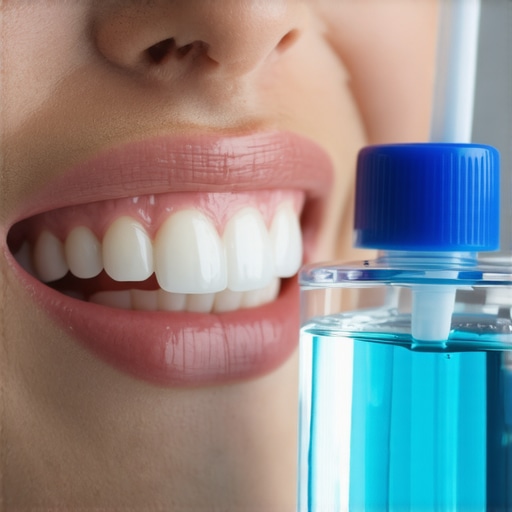
I vividly remember the moment I looked in the mirror and realized my smile wasn’t as bright as it used to be. It wasn’t just the yellowish tint on my teeth, but the sticky film coating my smile at the end of each day. Despite diligent brushing and flossing, that fuzzy feeling persisted, and I felt like I was battling a losing streak against plaque that was slowly taking over. It was frustrating—and honestly, a little alarming.
Have you ever felt the same way? You’re doing your best with brushing, flossing, and maybe even mouthwash, but somehow, plaque seems to cling on stubbornly, threatening your gum health and bright smile. Well, I discovered something that surprisingly made a huge difference—simple, everyday mouth rinses that could cut plaque by HALF. It sounds almost too good to be true, but I’ve seen the results firsthand, and I want to share them with you.
The Hidden Power of Rinses in Fighting Plaque
I’ve learned that mouth rinses aren’t just about fresher breath—they play a vital role in controlling plaque accumulation. For a long time, I underestimated their value, thinking brushing alone was enough. But early on, I made the mistake of choosing the wrong kind of rinse—one loaded with harsh chemicals that irritated my gums more than helped. That mistake taught me to look for gentle, scientifically-backed options that target plaque without damaging sensitive tissues.
Research supports this approach too. A study published in the Journal of Clinical Periodontology found that regular use of certain mouth rinses can reduce plaque buildup significantly, sometimes by more than 50% over several weeks. This was a game-changer for me, and I believe it can be for you too.
If you’re tired of feeling like plaque is an unbreakable enemy, keep reading. I’ll guide you through simple yet effective habits, including the best types of mouth rinses and how to incorporate them into your daily routine. Before we dive into the specific steps, let’s tackle a common question many skeptics have.
Is Mouth Rinsing Actually Worth the Hype?
When I first started, I questioned whether it was just another marketing gimmick. I had been burned before by products that promised fast results but delivered little. My biggest mistake was neglecting to read the ingredients and choosing rinses based solely on smell and marketing claims. Over time, I learned to pick rinses with active ingredients like essential oils proven to combat plaque effectively. If you’re skeptical, I get it. But with the right choice, mouth rinses can be a powerful addition—not a replacement—to your regular brushing.
Now that we’ve set the stage, let’s explore the practical steps to lower plaque levels and keep your smile healthy. Ready to learn how a simple rinse could make half the plaque disappear? Let’s get started.
Select the Right Rinse for Maximum Effectiveness
Begin by choosing a mouthwash with active ingredients proven to combat plaque, such as essential oils or cetylpyridinium chloride. Avoid harsh chemicals that can damage your gums, and opt for gentle formulations validated by science. To make a confident choice, check out this guide on how to select the appropriate mouthwash. This step ensures you start with a product that targets plaque without irritation.
Incorporate Rinsing into Your Routine
After brushing and flossing, rinse with your chosen mouthwash for at least 30 seconds. Use about 20ml of rinse and swish thoroughly, ensuring it covers all areas of your mouth, especially those hard-to-reach spots. For instance, once, I accidentally used too much mouthwash, which caused a burning sensation—prompting me to read the label carefully and measure accurately next time. Consistent use can significantly cut down plaque buildup over several weeks.
Timing Matters for Better Results
Rinse at specific times when plaque tends to accumulate most—such as right after meals or before bed. Avoid rinsing immediately after brushing, as recommended by experts, because it can wash away fluoride from toothpaste. Instead, wait about 30 minutes post-brushing to allow the fluoride to work effectively. Learning this prevented me from wasting the benefits of my fluoride toothpaste.
Combine Rinsing with Other Oral Hygiene Habits
Complement mouth rinses with daily flossing using soft-bristled floss, which is gentler on receding gums (see why soft bristles matter), and regular brushing with an electric toothbrush (discover why electric brushes are superior). This multi-pronged approach ensures plaque is tackled from different angles, similar to how a multi-tool is more effective than a single device for fixing complex problems.
Stay Consistent and Track Your Progress
Use a diary or app to log your rinsing schedule and observe improvements over time. I started noting days I skipped, and within a month, my gums felt healthier, and my teeth appeared whiter. Consistency is key because plaque is persistent—like stubborn stains that require regular treatment to remove fully.
Watch for Signs of Effectiveness
Notice less fuzzy feeling on teeth (learn why teeth feel fuzzy) and fresher breath. If you see continued plaque accumulation or experience gum sensitivity, it might be time to revisit your rinsing routine or consult with your dentist. An effective method isn’t just about rinsing; it’s about integrating habits that sustain oral health long-term.
 Many people believe that regular brushing and occasional flossing are enough to maintain optimal dental health, but the reality is far more nuanced. For instance, a common myth is that more frequent brushing can compensate for inadequate technique or neglecting other habits. In truth, aggressive brushing, especially with hard-bristled toothbrushes, can damage gums and enamel, leading to sensitivity and recession. Experts suggest using soft-bristled brushes and gentle techniques to prevent this common mistake.
Another widespread misconception is that dental cleanings alone can sustain oral health. While professional cleanings are essential, they aren’t a substitute for daily habits. Failing to maintain proper oral hygiene between visits allows plaque and tartar to accumulate regardless of professional intervention. This often results in a cycle where patients think they can rely solely on dental visits, but neglecting daily routines can negate the benefits.
A critical nuance many overlook is the importance of proper crown care. Many assume that once a crown is placed, it requires no further attention. However, neglecting to monitor crown integrity and not following the dentist’s advice on eating habits can cause decay at the margins or crown failure. Waiting too long to seek replacement or repair after noticing issues can invite root decay, complicating treatment. Check out this article on the dangers of delaying crown replacement.
Now, let’s address a question that often puzzles even experienced dental patients:
Are All Teeth Cleanings Equal, or Do Some Styles Offer Extra Benefits?
The truth is, not all cleaning methods provide the same level of biofilm removal. Traditional ultrasonic or manual cleanings are excellent, but emerging technologies like bio-acoustic buffing, which employ sound waves to disrupt plaque, are gaining popularity for their effectiveness and gentleness. While some practitioners stick to conventional methods, research indicates that advanced techniques can target biofilm more thoroughly, especially in hard-to-reach areas, potentially reducing the frequency of future cleanings. For a deeper dive into innovative cleaning technologies, see the latest advancements in professional dental cleaning.
Finally, it’s critical to recognize that neglecting advanced mistakes or buying into myths doesn’t just threaten your smile; it impacts your overall health. For example, untreated gum disease has been linked to cardiovascular problems, highlighting the importance of accurate knowledge and diligent care.
Are you falling for any of these misconceptions? Let me know in the comments and share your experiences. Staying informed helps us all make better choices for long-term oral health.Maintaining a healthy smile over the long term requires more than just good habits; it demands the right tools, consistent maintenance, and strategic choices that support durability and effectiveness. Personally, I rely on advanced equipment like electric toothbrushes with pressure sensors, which I’ve found significantly reduce gum recession caused by brushing too hard. These devices provide real-time feedback, helping me to clean effectively without damaging delicate tissues, and they integrate seamlessly with smartphone apps to track my progress. For example, I use the electric toothbrushes equipped with timers and pressure indicators, ensuring I spend the optimal time on each quadrant without exerting excessive force, a crucial factor for long-term gum health.
In addition to manual tools, I’ve incorporated scanning and tracking software that allows me to monitor areas of concern and maintain records of my routine. Digital dental health apps can remind you when to replace your toothbrush head or schedule professional cleaning, turning routine maintenance into an effortless part of daily life. This proactive approach helps catch issues early, making treatment more straightforward and less invasive.
When it comes to long-term results, I suggest prioritizing tools that promote gentle, thorough cleaning—especially around crowns or dental work. For instance, soft-bristled flossers and water flossers like the water flosser are gentler on sensitive gums and can reach areas traditional floss might miss. Regular use ensures biofilm doesn’t build up around your crowns, which can lead to decay at the margins—a common concern, particularly if you’ve had extensive restorative work.
Predicting future trends, I believe integrating smart technology with dental tools will become standard. Imagine toothbrushes and dental devices communicating with your dentist’s system, providing real-time data on wear, plaque levels, and even early signs of decay or gum disease. This evolution could make maintaining oral health more personalized, preventive, and less reactive, saving you time and money in the long run.
How do I maintain my dental tools for enduring performance? I rinse my electric brush heads daily with warm water and store them upright to prevent bacteria buildup. I also replace the heads every three months or sooner if I notice wear, based on manufacturer recommendations. Forsoftware, I regularly back up my data and review logs during professional visits, ensuring continuous improvement and early detection of potential issues. Such routine care maximizes the lifespan of your equipment and the health benefits they provide.
Incorporating advanced tools isn’t just about convenience; it’s about creating a sustainable system that actively supports your long-term oral health goals. By investing in high-quality, smart devices and staying diligent with maintenance, you set the stage for a brighter, healthier smile for years to come. For example, a recent study highlighted that patients using digitally integrated oral hygiene systems experienced fewer cavities and less gum bleeding over a year compared to manual routines—proof that technology’s role in oral health is only going to grow. Explore the possibilities and try upgrading one of your tools today—like switching to an electric toothbrush with pressure sensors—to see the difference firsthand.
The Unexpected Wisdom Behind Consistent Rinsing
Over the years, I’ve realized that the most effective oral health strategies often come down to simple habits embraced with dedication. One lesson that truly reshaped my approach was understanding that mouth rinses aren’t just fresheners—they’re potent tools to combat stubborn plaque when used consistently and thoughtfully. My breakthrough was recognizing that selecting the right rinse, tailored to my needs, could dramatically reduce plaque buildup and support my long-term smile health.
Secrets Dentists Might Not Tell You About Smile Preservation
One insight that surprised me is how overlooked rinses are in the broader picture of dental care. Many assume they’re optional, but in reality, a scientifically-supported rinse used daily can slash plaque levels significantly. It’s an aspect many fail to optimize, risking future issues like gum recession or decay. The key is choosing a gentle, effective formulation—like those with essential oils—that aligns with your unique oral landscape. I now see mouth rinses as essential components of a holistic routine, integral to lasting dental vitality. To see real results, I incorporated rinsing at strategic times—after meals and before sleep—and the change was remarkable. This simple shift kept my gums healthier and my smile brighter long into the future.
Why Your Routine Needs a Strategic Edge
Fine-tuning your oral hygiene routine can make all the difference. I learned the importance of timing—waiting between brushing and rinsing to maximize fluoride retention, and using a measuring cup to avoid over-application. Incorporating rinses with other habits like flossing with soft brushes not only enhanced plaque removal but also protected my delicate gums. My secret was tracking my progress through a simple log, noticing how consistent effort gradually improved my oral comfort and confidence.
Deepening Your Knowledge for Better Outcomes
Beyond the basics, I discovered that understanding myths—like brushing harder being better—can prevent damage. I also found that innovations such as advanced cleaning techniques and smart dental devices can elevate your routine. For instance, electric toothbrushes with pressure sensors or water flossers are game-changers, providing gentle yet thorough cleaning. They ensure that every part of your mouth receives care—helping you maintain a radiant smile that endures. I now see that investing in quality tools aligned with scientifically-backed practices can transform your dental health story.