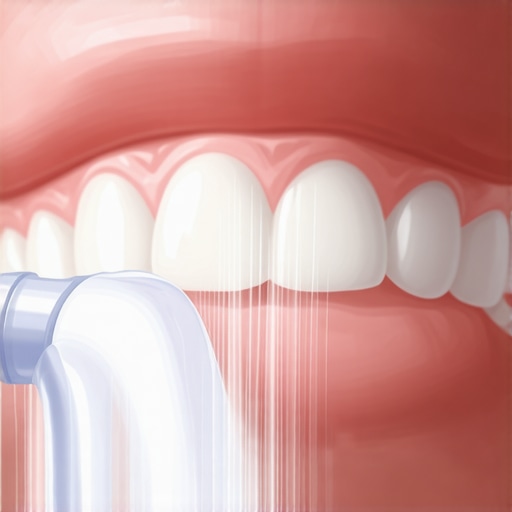
Just last week, I vividly remember feeling that sharp, almost stabbing pain in my gums right after finishing my water flosser session. It was as if my gums were protesting, angry even. I thought I was doing everything right—keeping my mouth clean, fighting plaque, and preventing gum disease. But suddenly, my confidence was shaken. If you’ve experienced something similar, you’re not alone. Many people find themselves puzzled, wondering, “Why do my gums throb after using my water flosser?”
Unlocking the mystery behind that uncomfortable feeling
Water flossers are heralded as game-changers in oral hygiene. They offer a gentle yet effective way to remove debris and plaque between teeth and along the gum line. But for some, initial use leads to unexpected gum discomfort or throbbing. The good news? Recognizing the cause is half the battle. Today, I’ll share insights from my personal experience and trusted dental advice to help you understand what might be causing this issue—and what you can do about it. Whether you’re a seasoned water flosser user or just starting out, understanding your gums’ response is vital to maintaining good oral health without unnecessary pain.
Is water flossing worth the trouble if it causes pain?
I remember early on making the mistake of cranking up the water pressure to the highest setting, thinking it would cleanse more thoroughly. Instead, I ended up irritating my gums, leading to increased sensitivity and throbbing. Trust me, I learned the hard way that too much pressure can compromise your gums’ health. This mistake made me realize the importance of gentle, proper technique—something I now advocate for anyone fighting gum issues. For more tips on how to avoid common sensitivity problems, check out this guide on sensitivity toothpaste. By understanding the right settings and techniques, you can harness the full benefits of your water flosser without provoking pain.
Start with Gentle Settings and Correct Technique
My first mistake was cranking the pressure all the way up, which caused my gums to protest. Instead, I recommend beginning with the lowest setting on your water flosser. Hold the tip at a 90-degree angle to your gum line, just like you’re gently leaning it against a wall. Move along the gum line slowly, pausing at each tooth for a second to ensure debris are loosened without irritation.
Use Short, Controlled Pulses
Never blast water directly into your gums. Think of it as watering delicate plants—gentle, controlled pulses are key. During my early trials, I used a continuous stream, which worsened sensitivity. Now, I use short bursts, similar to tapping your finger lightly on a door—this helps prevent overstimulation and allows your gums to adjust gradually.
Adjust Water Pressure According to Gums’ Response
If your gums feel tender or throbbing, dial down the pressure further. I learned this the hard way when I pushed too far, leading to increased sensitivity. Aim for a pressure that cleans without causing discomfort. It’s an individual setting—what works for someone else might not suit you. Remember, consistency beats intensity.
inhale as you Floss to Prevent Water Droplets From Accumulating
Now, a little trick I discovered—breathe through your nose while water flossering to keep water out of your throat and prevent gagging or overreactions, which can cause unnecessary irritation. During my first attempt, I didn’t think about breathing and ended up coughing, which made my gums sensitive.
Timing and Post-Use Care
Use the water flosser for about 30 seconds per quadrant, ensuring thorough cleaning without overexposure. After, rinse your mouth with lukewarm water. If you notice persistent soreness, try applying a bit of **sensitive toothpaste** like those outlined in this guide—remember, it often takes two weeks to see improvement.
Know When to Pause and Consult
If discomfort persists despite adjustments, take a break and consult with your dentist. Sometimes, blindingly following instructions isn’t enough; your gums may need targeted advice. I once kept increasing pressure despite pain, but stopping and seeking professional input prevented further harm.
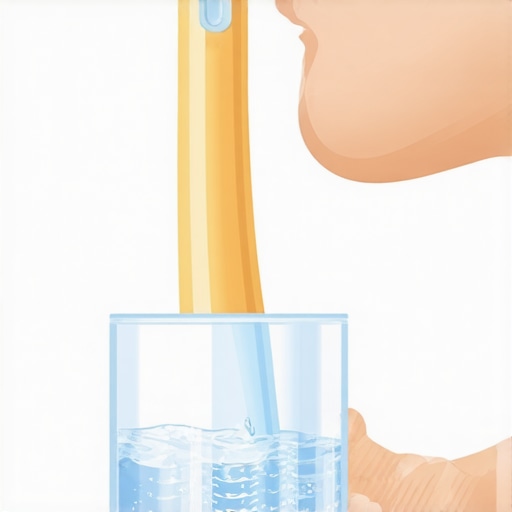
Illustration showing correct water flosser technique—tip at 90-degree angle, gentle pulses, and pressure adjustment
Many people believe they fully understand the ins and outs of dental health, but beneath the surface lie misconceptions that can hinder progress. For instance, a common myth is that more aggressive brushing cleans better. In reality, excessive force can erode enamel and cause gum recession, leading to more issues over time. Instead, gentle brushing with proper technique is far more effective and safe, as detailed in expert studies on oral hygiene techniques. Another overlooked nuance involves the timing of brushing and fluoride application—waiting at least 30 minutes after sugary or acidic foods allows your enamel to re-harden, reducing erosion risk. Skipping this step can inadvertently accelerate enamel wear, and you can learn more about optimal timing in guides like this article.
Invest in Precision Tools for Lasting Oral Health
Maintaining optimal oral health requires more than just daily brushing and flossing; it demands the right equipment tailored to your needs. Personally, I swear by the Waterpik Ultra Water Flosser. Its adjustable pressure settings allow me to customize my cleaning intensity, reducing gum irritation while ensuring plaque removal. The pulsating water streams reach areas that traditional floss may miss, making it especially valuable for those with dental crowns or implants. Additionally, I rely on a high-quality electric toothbrush like the Sonicare DiamondClean, which provides superior plaque removal thanks to its sonic vibrations. Regularly updating my tools ensures I’m leveraging the latest technology to maintain my oral health effectively.
Routine Checkups and Professional Maintenance
Long-term success hinges on consistent dental visits. I schedule professional cleanings at least twice a year because they not only remove stubborn tartar but also enable the dentist to spot early signs of issues like gum disease or hidden cavities. During these visits, I ask my dentist about incorporating advanced diagnostics, such as digital X-rays or, as recent innovations suggest, pH balance assessments. These help optimize my personal oral care routine and prevent problems from escalating, ensuring my investment in tools and habits pays off in the long run.
Stay ahead with the latest in oral health science
As scientific understanding of dental health evolves, so do the recommended maintenance strategies. For instance, recent studies highlight how certain bioactive materials used in modern crowns better integrate with your natural tissue, reducing sensitivity over time. I follow trusted dental research and strive to incorporate techniques advised by experts, like using peptide-infused bonding agents that may extend crown longevity (more here). Embracing these advancements keeps my smile healthy and vibrant longer.
How can I maintain my dental tools over time?
Proper maintenance of your dental tools is crucial. I rinse my water flosser and toothbrush thoroughly after each use, replace brush heads every three months, and monitor for wear and tear on my water pressure tips. Regularly cleaning my tools prevents bacterial buildup and ensures they perform optimally. Remember, even the most advanced device is only as effective as its upkeep. For detailed guidance, consult your manufacturer’s instructions or trusted dental advice sources.
Trying out a high-quality water flosser with adjustable settings, like the latest models, can make a tangible difference in your oral health routine. Don’t hesitate—invest in yourself by upgrading your tools and staying committed to professional maintenance. Over time, these efforts will lead to healthier gums, brighter teeth, and fewer dental worries. Remember, consistent care and the right equipment are your best allies in maintaining a beautiful, confident smile for years to come.
What I Wish I Knew About Oral Hacks Early On
One of the biggest lessons I learned was that quick fixes and DIY methods often backfire, especially when it comes to dental health. Relying solely on at-home whitening or abrasive pastes without professional guidance can do more harm than good. I wish I had understood the importance of routine professional checkups and trusted tools from the start, which ultimately saved me time, money, and discomfort.
Lessons That Changed My Perspective on Family Dentistry
Discovering how emerging technologies like bio-ceramic crowns and bio-bonding have transformed family dentistry made me realize the value of staying updated with new scientific advancements. It’s not just about fixing problems but preventing them through better, minimally invasive techniques. This knowledge empowered me to advocate for better dental options for my loved ones and prioritize their long-term health.
The Power of Consistency and Personal Care
Maintaining a healthy smile isn’t about occasional efforts but about building habits—like using an electric toothbrush, adjusting water pressure on my water flosser, and scheduling regular checkups. These small, consistent actions create a ripple effect that sustains oral health over decades. I no longer view dental care as a chore but as a vital self-investment that pays dividends in confidence and well-being.
My Essential Tools for Lasting Dental Confidence
Over time, I’ve found that quality tools make all the difference. The electric toothbrush with smart vibrations and gentle yet effective cleaning is a game-changer. Complementing this with a high-pressure water flosser like the latest models ensures I reach areas traditional floss might miss, especially around crowns and implants. These tools boost my confidence that I’m doing all I can to preserve my oral health.
Design for Longevity: Protecting Your Investment
In my experience, choosing durable, high-quality dental materials like bio-ceramic crowns not only enhances aesthetics but extends the life of your dental work. Regular maintenance, proper brushing, and avoiding harmful snacks help preserve their integrity. Staying educated about upcoming innovations, such as peptide-infused bonding agents, can ensure your smile remains resilient and beautiful for years to come. For practical tips on tool maintenance and longevity, check out this resource.
Carving Your Path Toward Healthy Smiles
Taking control of your oral health involves curiosity and commitment. Every small step—adjusting your water flossing technique, choosing the right toothpaste, and scheduling timely dental visits—adds up. The future of family dentistry is bright with innovations that make treatments less invasive and more effective. Embrace these changes, stay informed, and remember that your smile is one of your most valuable assets. Your journey toward optimal oral health is uniquely yours—keep moving forward!