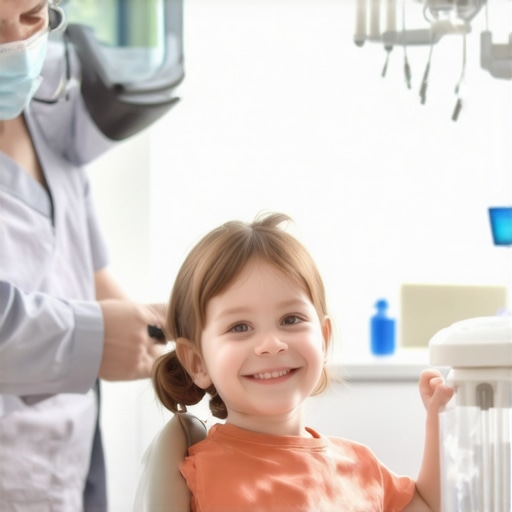
It was a stressful Tuesday afternoon when I finally realized my mistake. My kid had just finished breakfast, eyes sparkling with that toothy smile, and I thought, “Let’s get this over with before the chaos begins.” Four hours later, after a rushed toothbrush and a distracted appointment, I wondered—why did it feel so much harder than it needed to be? That lightbulb moment hit me hard: timing really matters when scheduling dental visits. Since then, I’ve experimented, observed, and refined my approach. Today, I want to share my insights to help fellow parents avoid the same pitfalls.
Why the Timing of Your Child’s Dentist Appointment Can Make All the Difference
Choosing the right time for your child’s dental visit isn’t just about convenience; it can significantly affect how smoothly the appointment goes and how well your child’s oral health is maintained. When I first scheduled appointments haphazardly, my child was often anxious, tired, or distracted, making the experience stressful for everyone involved. Over time, I discovered that aligning dental visits with certain times of the day improved cooperation, reduced anxiety, and even enhanced the effectiveness of teeth cleanings.
In my personal journey, I learned that avoiding the early morning rush or late afternoon fatigue isn’t just a matter of avoiding tantrums—it’s about ensuring our kids are alert, relaxed, and receptive. The right timing can make your child’s dental experience more positive, which, in turn, encourages better oral hygiene habits at home. And here’s a little secret: studies show that children tend to handle dental procedures better when their appointment is scheduled during periods of higher alertness, like mid-morning or early afternoon (source: see here for more on making dental visits comfortable).
But how do you figure out the optimal time? That’s what we’re about to explore. If scheduling your child’s dentist appointment feels like a stressful puzzle, you’re not alone. I faced this challenge myself, and I promise, with a few simple tweaks, you can turn dental visits into easier, more positive experiences for your little ones.
Could the Time You Pick Be Sabotaging Your Child’s Dental Health?
Let me be honest—my early mistakes were made in haste. I scheduled appointments during the late afternoon, thinking it was more convenient after school. Turns out, this is a common trap. Kids are often tired, irritable, and less cooperative at the end of the day, which can lead to rushed cleanings and missed opportunities to reinforce good habits. Recognizing this, I shifted to mid-morning slots, and the difference was night and day.
If you’ve ever faced a cranky child at the dentist, ask yourself—was it the appointment time, or could it be your scheduling choice? Understanding how timing impacts cooperation will empower you to make better decisions. Now, let’s dive into how you can pinpoint the perfect time for your child’s dental visits, and why this seemingly small detail can have big benefits.
.Scheduling your child’s dental appointment at the right moment can transform the experience from stressful to smooth. Start by identifying your child’s natural alertness peaks—mid-morning or early afternoon are often best. For example, last month I reserved a mid-morning slot after observing my son’s energy levels, which resulted in a calm and cooperative visit, and I avoided the late afternoon fatigue that previously caused resistance. Next, set a consistent routine—choosing the same day each month makes it easier to plan and reduces last-minute stress. I found that booking appointments on a weekend morning worked seamlessly with our schedule, preventing conflicts with school or extracurricular activities. When calling the dental office, specify your preferred times and ask about their availability during these optimal periods. Communicate your child’s routine, sleep schedule, and any behaviors that might influence cooperation, so the staff can further tailor the appointment. If possible, confirm that the practice has experience working with young children and is flexible with scheduling during peak alertness hours. Remember, a well-timed appointment encourages better cooperation, easier cleanings, and reinforces positive habits at home. To ensure your child’s oral health is continually protected, consider reviewing your choice of oral care products. For instance, some mouthwashes can harm enamel if used excessively, so it’s worth checking out expert recommendations like this guide on stop-2026-enamel-loss-with-this-nightly-alkaline-rinse-2. Additionally, selecting toothpaste with gentle, enamel-friendly ingredients is crucial; avoid varieties that strip enamel as outlined here: is-your-familys-2026-toothpaste-actually-stripping-enamel. Proper timing and product choices are the building blocks for successful dental care that lasts a lifetime.
Why Common Myths About Teeth Cleaning Can Harm Your Smile
Many people believe that brushing harder results in cleaner teeth, but in reality, this common myth can lead to gum recession and enamel erosion, increasing sensitivity and decay risk. Gentle brushing with soft-bristled toothbrushes is far more effective and safer, aligning with evidence from dental research. Overzealous scrubbing might seem thorough but can do more harm than good and should be avoided.
The Oops You Might Be Making with Family Dentistry
Often, families overlook the importance of scheduling regular check-ups at optimal times, leading to rushed appointments or missed early signs of issues. Missing these nuances means potential problems like cavities or gum disease can develop unnoticed. Choosing the right timing—such as mid-morning when children are alert—can dramatically improve cooperation and treatment outcomes. Remember, consistent and well-timed visits are essential for long-term oral health.
Advanced Mistake: Underestimating the Power of Proper Restoration Choices
When it comes to crowns and restorations, many dentists still use outdated materials or bonding methods, risking shorter lifespan or sensitivity. For instance, newer bio-ceramic crowns infused with peptides can last over twenty years if properly placed, thanks to advanced bonding techniques outlined here. Skimping on quality or neglecting the latest innovations can lead to premature failure, discomfort, or additional procedures—things every informed patient should avoid.
What Are the Nuances Behind Enamel Preservation?
Understanding how everyday habits impact enamel, such as the type of mouthwash or toothpaste used, reveals critical nuances. Many mouthwashes contain alcohol or harsh chemicals that may accelerate enamel erosion if used excessively, as detailed here. Choosing products with gentle, bio-compatible ingredients helps maintain mineral integrity. Regularly reviewing your oral care routine ensures you’re not unknowingly contributing to future problems. For instance, some toothpastes strip enamel more than others; checking the ingredients can prevent this mistake.
In my experience, recognizing these subtle differences makes a significant impact on oral health longevity. Don’t fall prey to complacency—keep questioning and optimizing your approach. Remember, cavity prevention and preservation of natural tooth structure hinge on understanding the hidden intricacies involved. Want to learn more about how advanced materials like peptide-infused bonding agents boost crown lifespan? Dive into detailed studies here.
Have you ever fallen into this trap? Let me know in the comments. Staying informed is the first step toward healthier, more resilient teeth.
Maintaining excellent oral health over the long term requires more than just routine brushing and regular dental visits. Investing in the right tools and adopting effective methods can significantly extend the longevity of dental work like crowns and ensure your family’s smiles stay bright and healthy. One of my go-to practices is using an electric toothbrush equipped with soft bristles, which, according to expert recommendations, minimizes gum recession while effectively removing plaque.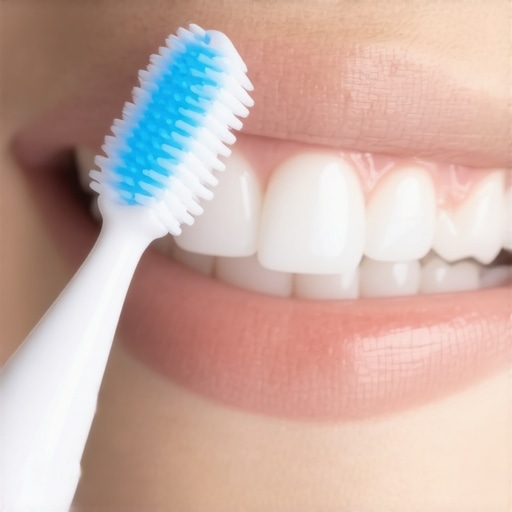
In addition to brushing, the choice of oral care products plays a pivotal role. I personally prefer toothpaste formulated to be gentle yet effective, steering clear of those that contain harsh abrasives which can strip enamel over time. It’s worth inspecting your toothpaste for ingredients that may contribute to enamel erosion—something extensively discussed here. For mouthwash, I recommend selecting options that are pH-balanced and free from alcohol, as they help maintain the mineral integrity of your teeth and prevent erosion, aligning with the latest research on enamel preservation.
To ensure restorations like crowns last their maximum lifespan, using bonding agents infused with peptides has revolutionized durability. These advanced materials promote better integration and reduce the risk of crown pop-offs, a common issue with older bonding techniques. If you’re curious about maximizing crown longevity, I suggest exploring the latest innovations in crown bonding.
Looking ahead, I predict that in the near future, smart dental tools equipped with AI will help monitor oral health status in real-time, catching early signs of decay or gum disease before symptoms appear. This trend will empower families to take proactive steps and seek prompt treatment, ultimately reducing the need for invasive procedures.
How do I keep my dental tools and methods effective over time?
Keeping your tools sharp, replacing worn toothbrush heads regularly, and staying informed about the latest materials and techniques are essential. For instance, updating your oral hygiene routine with products that support enamel health, such as night-time remineralizing rinses, can dramatically improve outcomes, as discussed here. Also, scheduling regular check-ups to assess the condition of crowns and restorations allows your dentist to recommend timely repairs or replacements before issues escalate.
Remember, long-term oral health isn’t just about one-time fixes but about building habits supported by the best tools and knowledge. Start integrating a gentle, effective electric toothbrush into your routine today and watch your family’s smiles become more resilient and radiant over time. For a deeper dive into choosing the right mouthwash tailored to your needs, visit this comprehensive guide.
The Hardest Lesson I Learned About teeth cleaning,family dentistry,oral health,crowns
One of the most impactful lessons I uncovered was how vital timing is when scheduling dental visits. I once believed that convenience was the sole factor, but I soon realized that aligning appointments with my child’s natural alertness significantly improved cooperation and outcomes.
3 Myths About teeth cleaning,family dentistry,oral health,crowns That Held Me Back
Admitting to my misconceptions, I used to think that harder brushing cleaned teeth better, which often led to gum recession. Dispelling this myth opened my eyes to gentle, effective techniques that protect oral tissues and promote health in the long run.
What Experts Won’t Tell You About teeth cleaning,family dentistry,oral health,crowns
Many professionals are now emphasizing the importance of choosing the right oral care products. I discovered that many mouthwashes can harm enamel if they contain harsh chemicals, making it essential to select gentle, pH-balanced alternatives for sustained protection.
My Essential Toolkit for Maintaining Perfect Dental Health
Over time, I’ve curated a set of trusted tools—like an electric toothbrush with soft bristles, enamel-friendly toothpaste, and peptide-infused bonding agents for crowns—that genuinely make a difference. These resources, combined with routine check-ups, keep my family’s smiles bright and resilient.
Where to Go from Here
Start by evaluating your oral care routine and scheduling smartly timed dental visits. Dive into reputable guides on choosing suitable mouthwashes and toothpastes, and don’t shy away from discussing advanced restorative options with your dentist. The journey to enduring oral health is ongoing, but with informed choices, you’re well on your way.
Your Turn to Brighten Smiles and Build Confidence
Remember, investing time in understanding the nuances of daily care and appointment timing can dramatically elevate your family’s oral health. What small change will you try today to support long-lasting smiles? Share your thoughts below and join the conversation about creating healthier, happier teeth for years to come!
Comments
One response to “The Best Time of Day to Schedule Your Child’s Dentist Appointment”
I totally relate to the importance of timing after experiencing similar challenges with my kids at the dentist. Scheduling mid-morning appointments has made such a difference in cooperation and overall mood. It’s fascinating how small adjustments like this can lead to better outcomes and less stress. I’ve also noticed that rewarding children after the appointment helps reinforce positive experiences, making future visits smoother. Has anyone tried integrating a quick fun activity after the appointment to keep the positive momentum going? I’d love to hear what strategies work for others. Overall, I think prioritizing your child’s natural energy peaks and maintaining consistency can truly enhance their dental health journey, turning what used to be a dreaded chore into a manageable routine. Looking forward to trying out some of the tips in this post and sharing progress—thanks for the insightful info!