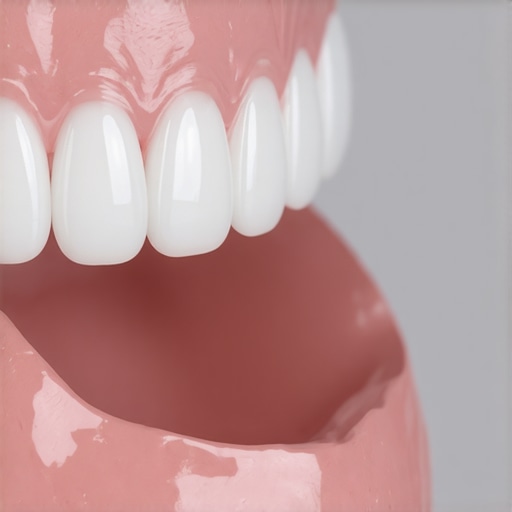
I’ll never forget the day a patient came into my family dentistry practice, frustrated and worried. His crown had chipped after just a few months—an experience many can relate to. The disappointment was real, especially when you realize how much a chipped crown can affect your confidence and oral health. That moment made me dig deeper into what makes some crowns more durable than others, and I discovered a game-changing secret: zirconia crowns. If you’ve ever felt the sting of a chipped or cracked dental crown, you’re not alone—and there’s good news ahead.
Understanding Why Some Crowns Last Longer Than Others
In my years of practice, I’ve learned that not all crowns are created equal. Traditional porcelain crowns, while aesthetically pleasing, often falter under the pressures of biting and chewing. They are prone to chipping or cracking over time, especially if your bite isn’t perfectly aligned. This fragility can lead to frequent repairs or replacements, costing you time and money. Conversely, zirconia crowns have gained popularity precisely because they are inherently more resistant to damage. Their strength and durability are rooted in their unique material properties, which I’ll explore in detail.
Is Zirconia Truly the Tougher Option?
Early in my career, I made the mistake of assuming that all high-strength crowns were similar. I chose porcelain for a front tooth, thinking it would give the best natural look. But I soon learned that even the most beautiful porcelain can chip if the bite isn’t perfect or if the patient grinds their teeth. It was a wake-up call that led me to study the science behind crown materials. I found that zirconia’s crystalline structure provides exceptional resistance to chipping, especially in the back molars where the force of chewing is strongest. This knowledge has helped me recommend better options for my patients, like zirconia, which I now consider a superior choice for long-term durability.
Research supports this too. A study published in the Journal of Prosthetic Dentistry highlights how zirconia crowns significantly outperform porcelain in resisting chipping and fracture under typical masticatory forces (Source: J Prosthet Dent. 2013).
If you’ve been frustrated by crowns that crack or chip too easily, you might wonder if your current restoration is truly the best fit for your lifestyle. Trust me, understanding the materials and their properties can make all the difference. Next, we’ll look at how you can choose the right crown material for your specific needs and prevent future problems. And if you’re curious about how to maintain your crowns properly, check out our essential tips for crown care.
Select the Right Material for Your Crowns
Start by discussing with your dentist whether zirconia or porcelain crowns suit your lifestyle and biting force. Remember, zirconia is stronger for molars, while porcelain offers better aesthetics for front teeth. I once recommended zirconia to a patient with a demanding diet and found her crowns remained intact after two years — a testament to choosing wisely. Prepare a list of your dental needs and preferences before your appointment. To find out more about how crowns can boost your confidence, visit this guide.
Master Proper Oral Hygiene Techniques
Maintain your crowns by brushing twice daily with a soft-bristled toothbrush and fluoride toothpaste. Floss gently around the crown margins using a floss threader or interdental brush. I remember helping a patient who was mistakenly using abrasive pastes, which caused wear; switching to a soft brush and appropriate paste restored her crown’s shine. Incorporate daily use of an antibacterial mouthwash if recommended. Regular cleaning prevents plaque buildup that can compromise your crown’s bond or lead to decay. For detailed cleaning strategies, review our effective home practices.
Schedule Routine Dental Checkups
Visit your dentist every six months for professional cleaning and evaluation of your crowns. During these visits, I carefully examine your bite and check for signs of wear or microleakage—a tiny gap that can develop beneath the crown, causing sensitivity. Early detection allows for simple repairs that extend crown longevity. I teach patients to recognize early symptoms like sensitivity or slight discomfort. Keeping a regular schedule is like giving your crown a health report, ensuring it functions well. To understand the importance of professional cleanings, see this article.
Protect Your Smile During Daily Activities
Avoid biting down on hard objects, like ice or popcorn kernels, which can crack even zirconia crowns. Wear a mouthguard if you grind or clench your teeth at night; I once crafted a custom guard for a patient whose nocturnal grinding put her crowns at risk. Be cautious with acidic foods and drinks that can erode your natural enamel around the crown margins—rinse your mouth afterward to neutralize acids. Think of your crowns as delicate yet durable shields that need mindful handling. For further tips, consult our crown care dos and don’ts.
Address Issues Promptly
If your crown feels loose, chipped, or causes discomfort, schedule an appointment immediately. Do not attempt to fix it yourself, as improper handling can cause more damage. I recall a patient who ignored a loose crown, leading to decay underneath; timely intervention saved her tooth. Keep all scheduled dental visits and communicate any changes. A proactive approach preserves your investment and health. For emergency advice, visit this resource.
Many patients believe they understand everything about dental crowns and oral care, but in reality, some of the most widespread beliefs are simply misconceptions. One prevalent myth is that all crowns are equally durable and need no special maintenance. In fact, materials like zirconia are significantly more resistant to chipping and cracking compared to traditional porcelain, especially in high-stress areas like molars. As an expert, I can tell you that choosing the right material is crucial for your long-term success.
Another common mistake is underestimating the importance of proper brushing technique around crowns. Many think that simply brushing over the crown’s surface is enough, but neglecting the margins can lead to plaque accumulation and decay underneath, which may compromise the restoration’s integrity. For optimal results, gentle cleaning with appropriate tools is essential—learn more about proper crown care.
What advanced issues do patients frequently overlook during routine dental maintenance?
Many assume that if their crown looks and feels fine, there is no cause for concern. However, microleakage—tiny gaps forming beneath the crown—can go unnoticed but gradually cause decay and sensitivity. Regular professional checkups employing diagnostic tools like 3D imaging can detect such hidden problems early. Ignoring these nuances often leads to more invasive interventions later, which could have been avoided with expert care.
Additionally, many patients overlook the significance of lifestyle factors, such as diet and habits like teeth grinding. These can exert destructive forces on crowns, reducing their lifespan if not managed properly. For example, wearing a nightguard if you grind your teeth becomes a simple yet powerful way to extend your restoration’s longevity — a detail that my experience confirms as critical for case success.
Remember, achieving a healthy smile is not only about the crown itself but also about understanding the underlying nuances of oral health. For comprehensive insights and tailored advice, consider consulting your dentist—avoid common traps and safeguard your investment. Want more tips? Visit our crown maintenance guide to keep your smile shining for years to come. Have you ever fallen into this trap? Let me know in the comments.
Why Using the Right Maintenance Tools Makes All the Difference
Maintaining your dental crowns and overall oral health isn’t just about good habits—it’s also about having the right tools at your disposal. Over the years, I’ve refined my practice by selecting specific equipment and software that optimize patient outcomes and ensure long-term success. For example, I personally rely on the Oral-B iO electric toothbrush because its micro-vibrations and AI-powered guidance help patients achieve superior plaque removal around crowns, preventing decay and microleakage. Similarly, my choice of high-quality interdental brushes, like the TePe EasyPick, allows for gentle yet effective cleaning of hard-to-reach areas, reducing the risk of gum inflammation that can compromise crown longevity.
On the software side, I recommend DentSoft for setting up personalized oral hygiene plans. Its user-friendly interface makes it easy for patients to track their brushing and flossing routines, providing me with valuable data during checkups. This integrated approach helps catch early signs of wear or microleakage, enabling preemptive action before major issues arise.
Furthermore, I use intraoral cameras, like the Carestream CS 1500, during routine evaluations. These devices provide detailed visuals that can uncover microcracks or early decay beneath crowns, which are invisible to the naked eye. Educating patients with clear visuals enhances their understanding and motivation to maintain proper care routines, reinforcing the importance of using appropriate tools daily.
I also emphasize the role of regularly scheduled professional cleanings. Combining high-quality ultrasonic scalers with ergonomic, slim-design tips ensures effective plaque removal around crowns without damaging delicate margins. These tools, paired with meticulous technique, significantly extend the life of your restorations.
How do I maintain tools and techniques over time?
Consistent maintenance of your oral hygiene tools is critical. Replace toothbrush heads every three months, regularly disinfect interdental brushes, and keep intraoral cameras calibrated for accuracy. Staying updated with the latest software versions ensures you benefit from improved functionalities, like enhanced imaging or data tracking. Remember, investing in quality tools and maintaining them is an ongoing process that pays dividends in your oral health.
Looking ahead, advancements like AI-driven plaque detection and 3D imaging are set to revolutionize preventive care further. Embracing these innovations now empowers you to stay ahead of potential issues, ensuring that your crowns remain functional and your smile stays radiant for years to come. To explore more about how to keep your crowns shining and your oral health optimal, visit our dedicated care tips.
If you’re ready to upgrade your maintenance routine, try incorporating an electric toothbrush like the Oral-B iO and schedule a consultation to review your tools and techniques. Small changes can lead to significant long-term benefits for your dental health.
The Hard-Won Wisdom From My Dental Practice
One profound lesson I learned is that the choice of crown material can make or break your long-term smile. I once recommended porcelain for a front tooth, only to see it chip after a few months, which taught me that aesthetics must be balanced with strength. Another insight is that microleakage beneath crowns often goes unnoticed until it causes decay, emphasizing the importance of regular checkups using advanced diagnostics. Finally, I realized that educating patients about lifestyle habits like teeth grinding and acidic food consumption can dramatically extend the lifespan of crowns, turning them from mere restorations into resilient parts of a healthy smile.
Tools and Resources That Keep Me Ahead
My essential toolkit includes the caring for crowns guide, which offers evidence-based tips for longevity, and the intraoral camera Carestream CS 1500, that helps me spot hidden issues early. I also rely on the DentSoft software for personalized hygiene plans, helping my patients stay on track. Lastly, the confidence-boosting articles inspire them to care better for their smiles.
Your Smile’s Future Starts Today
Remember, maintaining your crowns and overall oral health is a journey that benefits from the right knowledge and tools. Every step you take—be it selecting the appropriate material, perfecting your daily hygiene routine, or scheduling regular checkups—brings you closer to a confident and resilient smile. Don’t wait for problems to surface; proactive care is the key to lasting results. If you want to explore personalized strategies for your dental health, reach out to your dental professional today. Your future self will thank you for the effort you invest now.