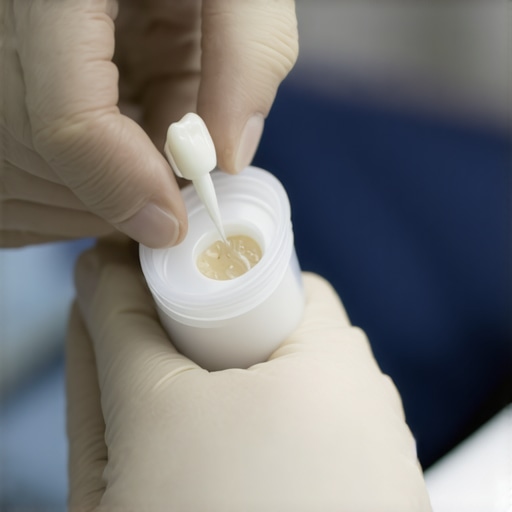
It happened to me on a busy Tuesday morning—the kind of day when you’re already running late, juggling coffee and your phone, when suddenly, a jarring bounce off the pavement sends a tooth flying out of my mouth. That split-second panic hit me hard. I’ve always heard about dental emergencies, but experiencing one firsthand changed everything. I realized I was unprepared and wondered—what’s the safest way to store a knocked-out tooth if I can’t get to the dentist immediately? Today, I promise to share practical, proven tips to keep that tooth viable until professional care is available.
Fast Action Saves Your Smile: Why Immediate Care Matters
Let’s be honest—nothing disrupts your day quite like a dental mishap. But more than just a moment of embarrassment or discomfort, a knocked-out tooth, if stored improperly, can lead to permanent loss. Early intervention is crucial because a tooth that remains viable outside the mouth has a better chance of reattachment. According to experts, acting swiftly and storing the tooth correctly can significantly increase the likelihood of saving it. In fact, studies show that reimplantation success rates are highest when the tooth is handled and stored within 30 minutes of injury.
Now, I want to address one common mistake I made at first: I thought just placing the tooth in water was enough. It turns out, this can harm the cells attached to the root, reducing the chances of successful reattachment. Instead, knowing the right way to preserve the tooth can make all the difference.
If you’ve ever faced this nerve-wracking situation, you’re not alone. Many people don’t realize how simple it can be to prepare for such emergencies. So, how do you keep that tiny miracle safe until you reach the dentist? That’s exactly what we’ll explore next.
Is It Really Worth Worrying About Storage? Here’s Why You Should
I used to think that rushing to the dentist was all that mattered, but quick, proper storage can buy you precious extra time and improve the outcome. Neglecting this step might mean the difference between saving and losing your tooth permanently. Trust me, a mistake I made early on was placing the tooth in a random container or simply ignoring it altogether—which hardly helps. With the right knowledge, you can handle this stressful moment with confidence.
Now, let’s dive into the step-by-step process of the safest ways to store a knocked-out tooth on your way to the office. Whether you’re caught in traffic or busy with your day, these tips can turn panic into action.
Secure the Tooth Immediately After the Accident
As soon as the tooth is knocked out, locate it carefully without touching the root. Hold it by the crown (top part), avoiding contact with the root, to prevent damage to the delicate cells needed for reattachment. I vividly remember the chaos of that day—my young nephew had a rough tumble during play, and his tooth came loose. We managed to gently pick it up, taking care not to scrub or wipe the root, which could harm vital tissues.
Wash the Tooth Gently to Remove Debris
Rinse the tooth softly with warm saline solution or milk to clear away dirt. Do not scrub or use soap or harsh chemicals. This step is crucial because debris and bacteria can hinder healing. I learned this the hard way when I was frantically trying to clean a tooth with tap water—missing out on preserving its viability. Using milk is an excellent option because it maintains the balance of pH and nutrients that keep cells alive.
Choose the Right Storage Medium
Select a suitable container: the best options are milk, sterile saline, or saliva. If you’re in a pinch, place the tooth back into the socket gently if possible, or store it in a clean container with the medium. Remember, water is not recommended because it can damage the root’s cells, reducing the chance of successful reimplantation. I once stored a tooth in water out of panic, only to realize later that it compromised the cell viability. For effective preservation, keep the tooth moist and at body temperature to improve reattachment odds.
Using Milk for Storage
Milk is a practical and effective medium—it’s sterile, has a favorable pH, and contains nutrients beneficial for cell survival. You can gently immerse the tooth in a small container of milk and keep it cool until professional help arrives. During a family outing, I kept my child’s knocked-out tooth in a small cup of milk, which I kept on ice in the cooler. This simple act significantly improved the chances of saving the tooth.
Saliva as a Backup Option
If milk isn’t available, saliva—either from the injured person or a helper—can be used. The fluid keeps the root moist and preserves the cells temporarily. Be cautious to avoid contaminating the tooth with bacteria from the mouth; having a clean tissue or cloth to gently hold the crown reduces contamination risks. I recall a friend using their saliva in a pinch during a crowded event, which bought critical time before seeing a dentist.
Handle the Tooth with Care and Avoid Damage
Do not scrub the root or remove tissue fragments, as this can destroy cells essential for reattachment. Handle only the crown, and avoid touching the root as much as possible. When I first learned this, I was tempted to wipe away blood or debris from the root, but I was advised to be gentle, which helped me feel more confident in the moment.
Transport Quickly to a Dental Professional
Time is of the essence—aim to reach the dentist within 30 minutes. Keep the stored tooth in a sealed container, wrapped in a damp cloth if necessary, and get there promptly. During my last incident, I placed the tooth in milk and used a car’s cool compartment, ensuring it stayed moist without exposure to extreme temperatures. Quick action here can greatly influence the success rate of reattachment.
Remember, every second counts in this emergency. Being prepared with the right knowledge and supplies can mean the difference between saving or losing a tooth. For more detailed guidance on dental emergencies and oral health, explore this article on maintaining overall oral wellness.
Many people assume that brushing more frequently or using a whitening toothpaste automatically guarantees healthier teeth, but the reality is far more nuanced. A widespread misconception is that aggressive brushing or abrasive pastes actually improve oral health—however, overbrushing can lead to gum recession and enamel erosion, which ironically increases sensitivity and decay risk. According to the American Dental Association, gentle, thorough cleaning is far more beneficial than harsh scrubbing, emphasizing the importance of proper technique over intensity.
Another prevalent myth concerns dental crowns. Many believe that once a crown is placed, it requires no further maintenance. In truth, neglecting proper care can lead to microleakage and secondary decay beneath the crown, jeopardizing the long-term success. Regular exams and proper hygiene, including avoiding excessive biting forces, are essential. For detailed guidance on maintaining your crowns effectively, consider reviewing these dos and don’ts.
A critical nuance often overlooked is the significance of family dentistry beyond routine checkups. Many think that dental visits are only about cleaning and cavities, but comprehensive family dentistry also involves early detection of orthodontic issues, bite problems, and even signs of systemic health concerns. Establishing a relationship with your family dentist ensures that small issues are addressed before they escalate, saving discomfort and expense later. Discover more about the role of family dentistry in building lifelong healthy smiles.
Make no mistake—superficial cleaning tactics won’t cut it. Proper oral health requires understanding that plaque isn’t just about surface stains; it’s a biofilm that can invade even the tiniest crevices, causing inflammation and bone loss if neglected. Brushing alone isn’t enough; flossing and interdental cleaning are equally vital. The myth that flossing is unnecessary, popularized by some sources, can lead to serious periodontal issues—so make sure you’re not falling for this trap.
From a professional perspective, one subtlety worth knowing is the importance of customizing your oral hygiene routine based on your unique dental needs. For example, patients with crowns or implants need specific products and techniques to avoid damage. Misusing whitening agents, for instance, can adversely affect porcelain crowns, which is why consulting your dentist about appropriate products is crucial. Learn about tailored maintenance strategies in expert advice on crowns and cleaning.
Finally, advanced research underscores the benefits of integrating newer technologies such as laser cleaning and 3D imaging for precise diagnostics and minimally invasive treatments. Such innovations highlight the importance of staying informed and questioning outdated assumptions about oral care. Have you ever fallen into this trap? Let me know in the comments.Maintaining your teeth and crowns over the long term requires more than just good habits; it demands the right tools and methods. I personally rely on a high-quality electric toothbrush equipped with a timer and pressure sensor, such as the Oral-B Genius Pro 8000. It ensures thorough cleaning without over-brushing, which can cause gum recession, especially around crowns. Additionally, I incorporate interdental brushes like the TePe Supreme to reach those difficult spots between teeth—areas where traditional floss might miss, reducing plaque buildup that can compromise dental restorations. When it comes to professional maintenance, I schedule biannual checkups with my family dentist, who uses 3D imaging for precise diagnostics, a technology that’s revolutionizing early detection of issues unnoticed on standard x-rays. This combination of advanced tools helps me catch potential problems early, prolonging the lifespan of my crowns and preserving overall oral health.
Looking ahead, the future of oral maintenance seems poised to include even smarter technology—such as AI-powered toothbrushes that adapt to your brushing style in real time or apps that monitor your brushing consistency and alert you when areas are missed. Staying ahead with these innovations can make a significant difference.
How do I keep my dental tools effective over time?
Regularly replacing toothbrush heads, sterilizing interdental brushes, and calibrating electronic devices are essential steps. Also, maintaining a consistent cleaning routine and consulting your dentist about new, evidence-based cleaning strategies can help extend the longevity of your dental work. For instance, professional-grade toothbrushes and ultrasonic scalers, used during cleanings, can remove stubborn plaque and tartar buildup more effectively than manual tools alone. You might consider exploring recommended practices for caring for crowns to ensure they remain functional and aesthetic.
Making maintenance a priority not only preserves your smile but also detects potential issues early, saving you discomfort and expenses down the line. Why not integrate a digital reminder system to track your next professional cleaning or tool replacements? This small step can ensure your oral health regimen remains consistent and effective.
Lessons That Changed How I Handle Dental Emergencies
One unexpected lesson I learned is that even a simple action like storing a knocked-out tooth correctly can mean the difference between saving or losing it forever. The hardest part was realizing how often I rushed or panicked without knowing what truly matters. Now, I understand that patience, gentle handling, and using the right storage medium can make all the difference. Another insight: professional guidance and quick response go hand-in-hand — there’s no substitute for expert care, but preparation in advance makes the process smoother. Lastly, I wish I had known earlier that small everyday habits, like carrying a dental kit, empower me to act decisively during emergencies, turning a stressful situation into a manageable one.