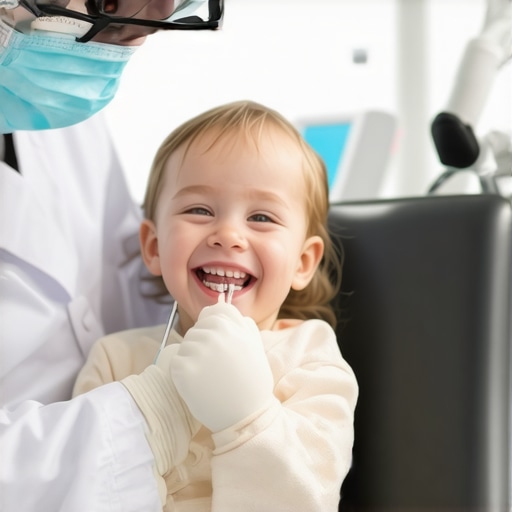
I remember the sinking feeling I had when my little one refused to open her mouth during her first birthday party. It was hyper-social, noisy, and I felt helpless—like I was missing an important milestone that I hadn’t even considered. That moment was a lightbulb for me: I hadn’t prioritized her dental health early enough. Turns out, that’s more common than you’d think. Many parents wait until their child’s teeth are visibly problematic before seeking professional advice, but delaying can have lasting consequences.
You might be surprised to learn that early dental visits—starting at age one—are crucial for preventing future issues like cavities, which are the most chronic disease among children. In fact, the American Academy of Pediatric Dentistry recommends scheduling your child’s first dental appointment by their first birthday or within six months of the first tooth emerging. Regular checkups at this stage can set the foundation for a lifetime of healthy smiles.
The Hidden Benefits of Visiting the Dentist Early
When I finally scheduled that first visit, I learned a lot about what I had been overlooking. Early dental appointments are not just about cleaning teeth; they’re an opportunity for a professional to spot early signs of problems, educate us on proper oral hygiene, and dispel myths—like the idea that baby teeth aren’t important because they fall out anyway.
Many parents worry, “Is my baby too young for these visits?” or fear that introducing dental clinics might scare their children. However, experienced pediatric dentists create a gentle, playful environment, helping children associate dental visits with positive experiences. Plus, starting early means you’re less likely to encounter a frightened, uncooperative child at age three or four, which can make preventive care more difficult.
I made a mistake early on: I waited too long before my child’s first checkup, thinking her teeth looked fine. That delay meant I missed the chance to address a small cavity early or teach her proper brushing techniques. Research indicates that early intervention can actually save money and discomfort later on, by catching issues before they develop into major problems. For more about how dental crowns can help restore damaged teeth and boost confidence, check out [this article](https://periodontistcare.com/how-crowns-can-transform-your-dental-confidence).
Have you faced this dilemma with your little one? If so, know that you’re not alone—and that the benefits of early dental care are worth the effort. It’s about protecting your child’s health now and setting them up for a future where a smile is a source of pride, not worry.
Getting started is simple, and the next steps involve understanding what to expect from that first visit and how to make it as positive as possible. But first, let’s address the common concerns parents have—like whether early visits are truly necessary or if they can wait until trouble appears.
Start with a Clear Dental Plan
Establishing a family dental routine begins with setting specific goals, like preventing cavities or improving gum health. Write down your objectives, then choose a consistent daily schedule for brushing and flossing that fits everyone’s routine. For example, I once scheduled teeth brushing right after dinner, turning it into a fun family activity that everyone looked forward to.
Select the Right Oral Care Tools for Everyone
Use age-appropriate toothbrushes—think of them as personalized tools designed for your child’s size and grip. Incorporate fluoride toothpaste for protection against decay, and consider an electric toothbrush for older kids and adults to ensure thorough cleaning. Remember, the quality of tools directly impacts effectiveness. I once switched my teen to an electric toothbrush and noticed a significant difference in plaque control.
Implement Proper Brushing Technique
Teach children to hold the brush at a 45-degree angle to gums and use gentle, circular motions. Imagine you’re polishing a delicate surface—pressure should be moderate. For myself, I demonstrated this technique by pretending to polish a fragile ornament, which made my kids more attentive to gentle brushing. Consistency in technique prevents gum irritation and ensures plaque removal.
Incorporate Flossing into Daily Routine
Floss daily to clean between teeth where brushes can’t reach. Break off about 18 inches of floss, wind it around your fingers, and gently slide between teeth, hugging the surface like a seamstress sewing fabric. I once showed my children how floss works by explaining it as a tiny rescue rope cleaning the space that a toothbrush misses, preventing cavities and gum disease.
Schedule Regular Dental Checkups and Cleanings
Visit your dentist at least twice a year—think of these visits as maintenance checks for your car. Early detection of issues like cavities or gum disease saves time and money later. I booked my family’s appointments six months in advance and kept a calendar reminder, which helped us stay consistent. During visits, ask the dentist about specific concerns, such as how crowns fit or how to maintain their shine, as detailed in these tips.
Adopt a Healthy Diet for Strong Teeth
Limit sugary snacks and drinks, which are like fuel for harmful bacteria. Instead, offer crunchy fruits and vegetables—think of them as natural toothbrushes. For instance, I made carrot sticks or apple slices fun by pairing them with hummus or nut butter. Avoid sticky candies that cling to teeth and promote decay, aligning with healthy diet guidelines.
Stay Informed and Adjust as Needed
Keep abreast of the latest oral health advice through reputable sources. For example, reading about how crowns can be integrated into your family’s routine—see this article—helps in making informed decisions. Regularly review your routine, note any changes in your child’s habits or dental health, and communicate with your dentist to modify practices for optimal results.
Many people believe they understand everything about maintaining healthy teeth, but in reality, there are subtle nuances and misconceptions that can impact your oral health long-term. For instance, a widespread myth is that if your teeth don’t hurt, there’s no need for professional cleanings or checkups. However, plaque buildup and early decay often proceed silently, making regular visits essential for prevention. Relying solely on brushing and flossing at home without professional interventions might give a false sense of security, as calculus and tartar can form beneath the gum line out of reach of everyday tools.
Why do some dental restorations fail prematurely despite proper care?
One common misunderstanding is that crowns, veneers, or fillings set and don’t require additional attention. In reality, the longevity of restorations depends heavily on proper maintenance and understanding their limitations. For example, some assume that crowns will last indefinitely with normal brushing, but neglecting regular check-ups and avoiding habits like chewing on hard objects can lead to chipping or loosening. Expert insights warn that material choices and fabrication techniques play a crucial role in durability. For detailed advice on how crowns can be optimized for longevity, check this article. Additionally, many mistakenly believe that professional cleanings are just superficial and don’t influence overall health. In fact, routine cleanings help prevent gum disease, which has been linked to systemic conditions like heart disease and diabetes. Studies, including those from the American Dental Association, confirm that consistent prophylaxis reduces bacterial load and inflammation. Remember, neglecting these visits can lead to advanced periodontal issues, complicating even simple treatments like teeth whitening or crowns later on.
Another hidden nuance is the importance of personalized oral care routines. While generic advice works for many, individual differences—such as genetic predispositions or existing health conditions—necessitate tailored strategies. For example, some patients may need special fluoride treatments or specific anti-gingivitis protocols, which a one-size-fits-all approach may overlook. Staying informed about these subtleties allows for more effective prevention and treatment. For advanced readers curious about lifestyle impacts, consider how diet and habits influence dental material choices—like whether zirconia crowns are suitable for heavy grinders, as detailed here. In summary, busting myths and understanding hidden nuances in family dentistry empowers you to make smarter decisions. Regular consultation with your dental professional, staying updated with evidence-based practices, and avoiding common traps will ensure your family’s oral health remains optimal for years to come. Have you ever fallen into this trap? Let me know in the comments.
How do I keep my family’s oral health working smoothly over the years?
Maintaining optimal oral health over time requires more than just brushing and flossing; it involves the strategic use of effective tools and routines that adapt to your evolving needs. I personally rely on a few select devices and methods that have proven their worth in my practice and at home.
One staple in my dental toolkit is the **oscillating-rotating electric toothbrush**. Brands like Oral-B’s Genius series are my top choice because of their proven plaque removal capabilities, real-time feedback, and built-in timers. I use the research-backed features to justify recommending these in my own family routine. The gentle but thorough cleaning they offer ensures I’m removing plaque where manual brushes often miss, especially around crowns and appliances.
Complementing this, I advocate for high-quality interdental cleaners. For example, I prefer **ultra-fine dental floss picks** with flexible handles, which make it easier to reach tricky spots, especially for children or those with limited dexterity. Proper flossing prevents gum disease and extends the lifespan of restorative work like crowns. Personally, I find that consistent flossing combined with my electric toothbrush prevents tartar buildup and preserves my gum health.
And then there’s the importance of **periodontal irrigation devices**—commonly known as water flossers. Oral irrigators like the Waterpik are significantly more effective at disrupting biofilms beneath the gum line than floss alone, especially in patients with periodontal challenges. Regular use of these devices has shown in studies to reduce bleeding and inflammation, thus prolonging the health of crowns and natural teeth alike. For detailed insights, check this resource on long-term oral wellness.
Looking to the future, technological advancements such as **AI-driven brushing sensors and personalized app-based routines** are promising. These can help tailor cleaning patterns to individual needs, ensuring that seldom-neglected areas are addressed without extra effort. I foresee these tools becoming standard in family homes, empowering everyone to maintain a professional-level routine daily.
What’s the secret to preserving crowns and fillings?
The key to long-lasting restorations—like crowns—is diligent maintenance and using the right tools. For instance, after getting a crown, I recommend using specialized **crown maintenance waxes and gentle cleaning agents** to keep it shining. Regular checkups ensure that any wear or microfractures are caught early. To get the most from your crowns, check these best practices.
Consistency is paramount. Even the best tools won’t compensate for neglect. Incorporate these recommendations into your daily routine, and don’t forget to schedule biannual professional cleanings at your trusted dental clinic. These combined efforts help maintain your family’s oral health smoothly, preventing issues before they develop into costly repairs or discomfort.
Ready to optimize your family’s oral toolset? Try integrating an electric toothbrush and a water flosser into your routine this month. Small changes can make a significant difference—imagine how much longer your crowns and natural teeth will stay healthy and beautiful with just a little extra attention.
What I Wish I Knew About Building Lifelong Smiles
One of the most profound lessons I learned is that proactive dental care is an ongoing journey, not a one-time fix. Waiting for problems to surface often means missed opportunities for prevention. For instance, I realized that encouraging my children to view visits to the dentist as a positive experience has shaped their habits for life, preventing anxiety and fostering responsibility. Another insight was understanding that small habits, like consistent flossing and choosing the right tools, can dramatically extend the lifespan of crowns and fillings, saving money and discomfort down the road. Lastly, I discovered that continuous education—staying updated on advancements like the latest crown materials or effective at-home practices—empowers me to advocate better for my family’s oral health, combining expert advice with everyday routines.