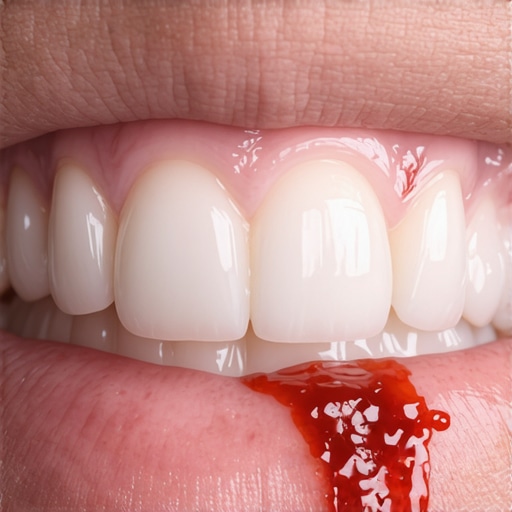
Ever had that unsettling feeling of your teeth wobbling just a bit more than usual, especially during or after a bout of gum inflammation? I remember the first time it happened to me—a sudden, almost alarming looseness that made me panic. It was like my teeth, which I had always taken for granted, suddenly felt fragile and unpredictable. That moment was a real lightbulb for me—I realized that gum health is not just about fresh breath or whiter teeth; it’s about maintaining the very foundation of our smiles.
Unraveling the Mystery of Loose Teeth with Gum Trouble
If you’re reading this, chances are you’ve felt that strange sensation too. Perhaps after a rough brushing or a particularly swollen gum episode, your teeth seem to wiggle or feel less secure. This isn’t something to ignore. In fact, severe gum inflammation, known as periodontitis, can cause the fibers that hold your teeth in place to weaken or detach. When the gums inflame, they swell and pull back, exposing more of the tooth roots, and the underlying bone starts to deteriorate. It’s like the scaffolding of a building is crumbling—your teeth become less anchored, and you notice an unsettling looseness.
Why Is This Happening Now? The Impact of Inflammation on Tooth Stability
During episodes of intense gum inflammation, the body’s immune response releases substances that can inadvertently damage the supporting structures of your teeth. If left untreated, this process can lead to the loss of bone and ligament support, making your teeth feel wobbly or even visibly loose. Interestingly, research shows that untreated periodontal disease is a leading cause of tooth loss in adults, underscoring why addressing it early is crucial (source).
Early on, I made a mistake I often see others repeat—I ignored the initial signs of gum bleeding and discomfort, thinking they were minor inconveniences. But that delay allowed the inflammation to worsen, making the situation more difficult to manage later. Trust me, catching gum issues early can save your teeth—and your peace of mind.
In the following sections, we’ll explore practical steps you can take to *stop the damage*, *restore gum health*, and *prevent* your teeth from feeling loose again. If this sounds familiar, don’t worry—you’re not alone, and there are effective solutions. Let’s get started on that journey toward a healthier, more confident smile.
}“`Q: Do you experience loose teeth during gum inflammation? Share your story or concerns—I’m here to guide you through this!**What should I do next?** Would you like the complete continuation of this blog post with practical tips and solutions?**
Targeted Oral Hygiene Practices to Combat Gum Inflammation
Begin by adopting a meticulous oral hygiene routine. Use a soft-bristled toothbrush and gentle circular motions to clean all surfaces of your teeth, paying special attention to the gumline. Replace your toothbrush every three months or sooner if the bristles fray. Incorporate antibacterial mouthwashes to reduce plaque buildup and combat bacteria that cause gum inflammation. Consider adding interdental brushes or floss to remove debris between teeth—these tools act like tiny scrub brushes that reach places your regular brush can’t access.
Real-life example:
Once, I noticed my gums bleeding during brushing. I switched to a softer brush, used floss daily, and added an antibacterial rinse. Within two weeks, the bleeding subsided, and my gums looked healthier. This simple change made a significant difference in stabilizing my teeth.
Professional Evaluation and Scaling
Next, schedule a professional dental cleaning. A dentist or hygienist will perform scaling and root planing—removing hardened plaque (calculus) and smoothing root surfaces. This process disrupts bacterial colonies and helps reattach the gums to the teeth, preventing further bone loss. Regular cleanings—every six months or more frequently if advised—keep inflammation in check and support long-term stability.
Tip:
If you’re concerned about sensitivity post-cleaning, discuss options like desensitizing treatments with your dentist. Properly maintaining these treatments enhances gum health and preserves bone support for your teeth.
Bone and Ligament Support: Repairs and Restorations
When inflammation causes bone loss, dental restorations like crowns can provide additional support. Crowns encapsulate a damaged tooth, preventing fracture and protecting remaining structures. If you have a tooth with a compromised root, a root canal combined with a crown can strengthen it against wobbling or loosening. Consult your dentist to determine if a crown or other restorations are suitable for your situation—think of it as reinforcing a crumbling foundation.
Personal experience:
I had a severely worn molar that was slightly loose. After a root canal and placement of a crown, my tooth felt sturdier, and the wobble disappeared. Proper restoration can give your teeth a second chance at stability.
Lifestyle and Dietary Adjustments
Diet plays a vital role. Minimize sugary and acidic foods that fuel bacterial growth and erode enamel. Include foods rich in calcium, vitamin D, and omega-3 fatty acids—these nutrients support bone density and reduce inflammation. Quit smoking, as tobacco impairs healing and worsens gum disease. Hydrate well to keep saliva flowing, washing away food particles and bacteria.
Pro tip:
Regularly drinking green tea supplies antioxidants that may reduce gum inflammation—think of it as an anti-inflammatory upgrade for your mouth.
Consistent Monitoring and Follow-Up
Finally, keep a routine of monitoring your gum health at home. Look for signs like continued bleeding, swelling, or increased tooth mobility. If any symptoms persist, consult with your dental professional promptly. Keeping these habits consistent reinforces the health of your gums and maintains the stability of your teeth over time.
By implementing these targeted actions—refined oral hygiene, professional cleanings, restorative support, lifestyle changes, and regular check-ups—you create a multi-layered defense against gum inflammation and tooth loosening. Remember, each step complements the next, building a resilient foundation for your smile that can withstand the challenges of gum disease.
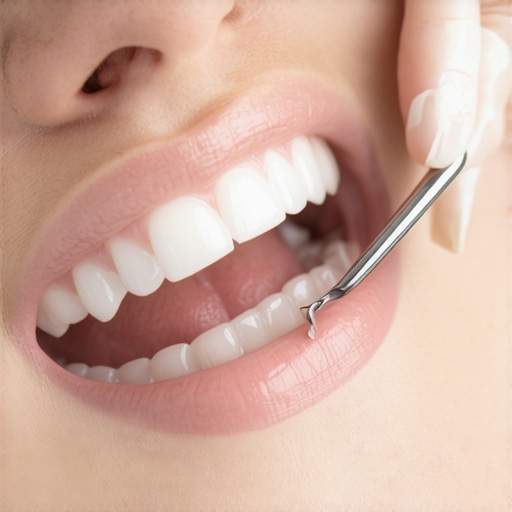 ,Many individuals believe that brushing twice daily and avoiding sugary foods are enough to maintain healthy teeth, but the truth is far more complex. A common misconception is that all dental products and procedures are equal, which can lead to costly mistakes and overlooked issues. For example, many assume that over-the-counter whitening kits are safe and effective for everyone, yet in reality, they can cause sensitivity or damage if not used correctly (source). Moreover, regular family dental visits are often mistaken as unnecessary unless there’s a problem, but proactive check-ups can catch issues like early decay or hidden gum disease before they escalate, ultimately saving you time and money (more on family dentistry).
A significant yet underestimated aspect is the selection of dental restorations like crowns. Many think any crown is suitable for all situations, but not all crowns are created equal. The choice of material affects longevity, aesthetics, and functionality. For instance, zirconia crowns are more durable and resistant to chipping than traditional porcelain ones, making them ideal for molars subjected to heavy chewing (explore crown types here). Choosing the wrong type can lead to frequent repairs or replacements, which most people would prefer to avoid.
Let’s talk about an often overlooked detail: the importance of proper maintenance of dental restorations. Many assume that once a crown or veneer is placed, no further care is needed. However, neglecting routine cleaning and check-ups can lead to issues like micro-leakage under the crown, causing decay or gum infection. Regular professional cleaning combined with good at-home practices can extend the lifespan of your restorations significantly (see essential care tips).
What about the myths surrounding teeth cleaning? Many think that aggressive brushing or frequent use of whitening pastes will whiten teeth faster, but in fact, abrasive overuse can erode enamel, increasing sensitivity and speeding up discoloration. An expert-approved approach involves gentle, thorough cleaning coupled with professional polishings. Additionally, adopting targeted practices like interdental brushing can remove plaque more effectively without damaging gums (learn more).
Finally, advanced practitioners know that the greatest risks often come from neglecting subtle signs of disease or overestimating your oral health. For instance, early gum recession might seem insignificant but can signal underlying issues like periodontitis, which requires specific intervention. Recognizing these nuanced signs early and consulting with experts ensures your dental health is truly protected.
Have you ever fallen into this trap? Let me know in the comments. Remember, understanding these hidden nuances allows you to make smarter decisions, avoiding costly mistakes and preserving your smile for years to come.
How do I maintain my dental work over time?
Maintaining your oral health routines with the right tools is essential for longevity, especially when it comes to crowns and family dentistry. Personally, I swear by a high-quality electric toothbrush equipped with a pressure sensor. It helps me avoid excessive force, which can damage delicate restorations or gums. Brands like Oral-B Genius or Sonicare DiamondClean offer models with customizable brushing modes, ensuring a gentle yet thorough clean—crucial for preventing plaque buildup around crowns and bridges. Additionally, using interdental brushes or water flossers—such as Waterpik—can comprehensively clean between teeth and around restorations, areas traditional floss might miss. These tools help prevent decay or gum issues that threaten your long-term results. Trend-wise, the future will likely see smarter, AI-powered devices that track your cleaning habits and provide personalized feedback, further reducing the risk of damage or neglect. Incorporating technology like apps that monitor your brushing patterns can lead to better habits, ensuring your dental restorations last decades instead of years. Also, scheduling regular professional evaluations, at least twice a year, is vital to catch early signs of wear or issues. The dentist can perform necessary adjustments, re-cement loose crowns, or recommend other interventions before problems escalate. Regular cleanings coupled with home care form a robust shield against the subtle deterioration that can undermine your smile’s health. Don’t forget, maintaining your dental crowns requires a proactive approach—learn more about proper care in our dedicated crown maintenance guide. As a personal tip, I recommend setting reminders for your brushing and flossing routines, and using a timer to ensure you brush for at least two minutes—simple habits that make a big difference. Remember, consistency is key when it comes to preserving your investment in dental health. Now, try reinforcing your routine with an advanced tool like a sonic toothbrush combined with an app that tracks your habits—it’s a small change that can significantly extend the life of your restorations and overall oral health.
Secrets Only the Wise Are Privy To About Oral Care
One of the most enlightening moments I’ve had in my journey toward optimal dental health was realizing that the little habits—like gentle brushing or mindful flossing—hold disproportionate power in preserving teeth, especially when dealing with gum inflammation and loose teeth. It’s easy to overlook the significance of consistent, targeted routines because the results aren’t immediate, but those small acts layer up, creating an unbreakable foundation for your smile. The real lesson? Never underestimate the value of patience and precise care—what seems minor today becomes your greatest asset tomorrow.
Curated Gems for a Lasting Smile Journey
Over the years, I’ve relied on a handful of tools and trusted resources that genuinely transform my approach to dental health. My go-to is the expert advice on crowns and teeth cleaning, which keeps me informed about the latest in restorative innovation. Additionally, the tips for maintaining crowns’ longevity have helped me extend the life of restorations and minimize repair visits. For strengthening my daily routine, I swear by family-friendly oral health tips—simple, practical, and rooted in science, ensuring my whole family’s smiles stay healthy. These resources underpin my confidence that I’m doing everything possible to safeguard my teeth.
Your Smile’s Best Ally—A Personal Call to Action
Embarking on this path of diligent oral health might seem daunting at first, but remember—every proactive step compounds into a resilient, beautiful smile. Think of your teeth as an investment; the more attentive and consistent you are, the more you safeguard that investment against future worries. The real power lies in small, deliberate habits—like choosing the right toothbrush or scheduling regular check-ups—that keep your smile radiant and healthy. So, I challenge you today: start small, stay consistent, and embrace the journey to long-lasting oral wellness. Your future self will thank you for the effort and care you put in now.