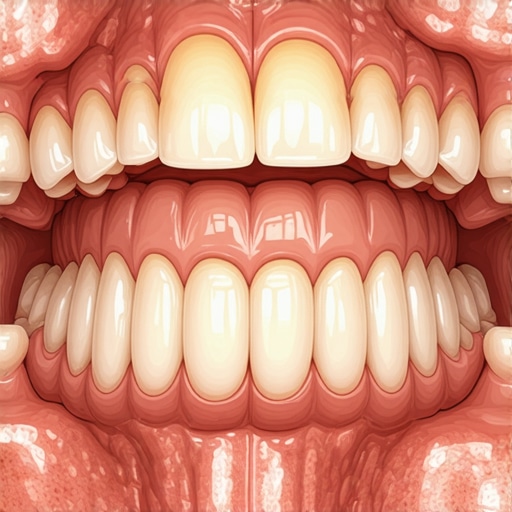
It struck me one morning during a family breakfast—I looked in the mirror and suddenly noticed that my teeth looked duller, more yellow than I remembered. That lightbulb moment made me realize I wasn’t alone; many people wonder why their teeth aren’t as bright as they’d like, even with diligent brushing. Sometimes, no matter how many whitening products I tried, the color just didn’t change much. I remember feeling frustrated, questioning if I was doing something wrong or if my natural teeth color was predetermined.
Have you ever caught a glimpse of your smile and thought, “Why are my teeth more yellow than my friend’s?” If so, you’re in good company. Understanding why some teeth are naturally more yellow can be the first step towards embracing your unique smile and exploring realistic ways to enhance it.
Why Your Teeth Are Naturally More Yellow Than Others
Is It Just Aging or Could It Be Genetic?
Many believe that teeth yellow with age, but the truth is, genetics play a significant role in tooth coloration. Just like eye color or hair texture, the thickness of your enamel—the outer protective layer of your teeth—can vary from person to person. Thinner enamel allows the underlying dentin, which is naturally yellowish, to show through more prominently. A study published in the Journal of Dentistry highlights the genetic factors influencing enamel thickness and color.
Early in my dental career, I made the mistake of assuming everyone could achieve that pearly-white smile with over-the-counter whitening, only to realize that some people’s teeth wouldn’t respond much due to their natural anatomy. That’s why understanding your unique tooth structure is essential before embarking on whitening routines.
Are you curious about what causes teeth to turn yellow over time, despite regular brushing and flossing? Stay tuned—there’s much more to explore, including practical tips and expert advice to help you make the most of your natural smile.
Master Your Daily Oral Hygiene Routine
Brush with Purpose and Technique
Begin with a soft-bristled toothbrush and a fluoride toothpaste, positioning the brush at a 45-degree angle to your gums. Use gentle, circular motions, covering all surfaces of your teeth—front, back, and chewing surfaces. I recall the time I committed to brushing for two minutes, making sure to reach the back molars; the result was a noticeably cleaner feel and brighter smile.
Implement Flossing and Water Flossers
Floss daily to remove plaque and food particles between teeth, avoiding aggressive scraping that can damage gums. For a deeper clean, consider using a water flosser, which uses pressurized water to reach areas traditional floss may miss. I tried this during a busy morning and was amazed at how much debris was dislodged, benefiting my gum health considerably. Regular flossing and water flossing, linked with choosing the right water flosser techniques, are vital.
Schedule Professional Dental Cleanings
Visit Your Family Dentist Regularly
Aim for biannual cleanings, which effectively remove tartar buildup and prevent gum disease. These visits are like tuning a car—small adjustments before major issues arise. During a session, your dental hygienist will use specialized tools to remove hardened plaque, similar to a plumber clearing a clogged pipe. Over time, this maintains your teeth’s natural brightness and avoids stubborn stains.
Ask About Custom Whitening Options
If natural brightness is your goal, consult with your dentist about professional whitening treatments. Unlike over-the-counter products, professional procedures can target deeper stains and offer predictable results. I personally explored in-office whitening, which, though a bit costly, significantly boosted my confidence—proof that investing in your smile pays off.
Strengthen and Protect Your Teeth
Limit Staining Foods and Beverages
Reduce intake of coffee, tea, red wine, and dark berries, which can stain enamel over time. When unavoidable, rinse your mouth with water afterward or use straw for beverages. I learned this the hard way when I noticed my front teeth darkening after a week of daily coffee; switching to a straw and rinsing reduced further staining.
Use Enamel-Friendly Products
Choose toothpaste with gentle abrasive agents and avoid harsh charcoal-based pastes that can erode enamel. Incorporate remineralizing agents like fluoride or calcium phosphates, which help rebuild weakened enamel, especially important if your natural enamel is thin and shows underlying dentin. Incorporate fluoride treatments as recommended by your dentist to boost resistance against staining and decay.
Explore Cosmetic Enhancements Thoughtfully
Opt for Crowns and Veneers When Needed
Sometimes, natural teeth benefit from protective crowns or cosmetic veneers to restore or enhance appearance. For example, a cracked or heavily stained tooth can be covered with a crown, which not only improves aesthetics but also shields against further damage. I experienced this firsthand when a damaged molar was restored with a porcelain crown, revitalizing my smile and confidence.
Maintain Your Restorations Properly
Care for crowns and veneers by avoiding hard foods and using suitable cleaning tools, such as non-abrasive brushes and floss threaders. Regular check-ups ensure their longevity and continued aesthetic appeal. Learn more about how caring for crowns to maximize their lifespan.
Even seasoned patients and dental professionals sometimes fall prey to myths and misconceptions about oral health. One widespread error is believing that brushing harder actually results in a cleaner mouth. In reality, aggressive brushing can erode enamel and irritate gums, leading to sensitivity and recession. A 2017 study in the Journal of Periodontology demonstrates how harsh brushing significantly accelerates gum recession over time. My own early attempts at vigorous brushing damaged my gums before I understood the importance of gentle, effective techniques. Make sure you’re using the proper method—soft bristles and gentle circular motions—for optimal results.
Another common myth is that all dental plaque is the same. However, plaque buildup varies throughout the mouth, and some areas require more diligent care. For instance, plaque between teeth is more stubborn, which underscores the importance of effective interdental cleaning with tools like water flossers—more than just traditional flossing. Use of water flossers can significantly reduce bacterial load in hard-to-reach areas, helping prevent decay and gum disease.
A trap many overlook involves the misconception that professional cleanings are only necessary when symptoms appear. In reality, routine dental checkups twice a year are vital for early detection of issues like cavities or periodontal disease. Skipping regular visits can allow minor problems to develop into serious health concerns, sometimes necessitating complex procedures like crowns. Did you know that< a href="https://periodontistcare.com/the-impact-of-regular-teeth-cleaning-on-overall-oral-wellness" target="_blank" rel="noopener noreferrer">consistent teeth cleaning not only maintains aesthetics but also boosts overall health?
For advanced readers, pondering how emerging research reshapes our approach to longevity of dental restorations can be enlightening. Have you considered how new materials and techniques might extend the lifespan of crowns beyond traditional expectations? For example, recent innovations like zirconia crowns have shown increased durability when properly cared for, reducing the need for early replacements and safeguarding your investment. To learn more about this aspect, explore how crowns improve confidence and function.
Neglecting these nuances can lead to costly mishaps or irreversible damage. It’s essential to stay informed and skeptical of simplistic solutions. Remember, true oral health involves a deep understanding of techniques, materials, and preventative strategies—an approach that ensures your smile’s longevity and health. If you’ve ever fallen into any of these traps, let me know in the comments. Your experiences can help others avoid the same mistakes and achieve lasting dental wellness.Keeping your oral health in top shape requires more than just daily brushing and flossing; it involves investing in reliable tools that support your efforts over time. One device I personally rely on is the sonic toothbrush, specifically the Philips Sonicare ProtectiveClean. Its gentle yet effective cleaning action ensures plaque removal without damaging sensitive enamel, a key factor for long-term dental health. Plus, its timers encourage thorough two-minute brushing sessions, which are crucial for comprehensive cleaning. For those with braces or fixed appliances, interdental brushes like the TePe Interdental Brush make cleaning between brackets much easier and more effective, helping prevent decay and gum issues.
How do I maintain my dental tools to ensure they work effectively?
Regular replacement of toothbrush heads—every three months—is vital to avoid bacterial buildup and maintain optimal cleaning. I also disinfect my sonic brush in an alcohol-based solution weekly to keep it free from germs. Water flossers, such as the Waterpik Aquarius, are excellent alternatives or adjuncts to traditional flossing, especially for family dentistry where efficiency matters. Make sure to replace water tips every six months to prevent mold and bacteria growth, which can compromise hygiene. Additionally, pairing these devices with quality fluoride toothpaste, like the Colgate Total, amplifies their benefits by strengthening enamel and preventing decay. As dental technology advances, I predict a shift towards smart toothbrushes integrated with app tracking, offering real-time feedback and personalized advice to ensure consistent, effective oral care. Using these tools consistently and maintaining them properly creates a foundation for lasting oral health, reducing the need for invasive procedures down the line. For detailed guidance on how to keep your tools in check, check out effective home practices for family dental health. Don’t forget: clean tools make a real difference. Try calibrating your toothbrush and replacing water flosser tips this week to experience the immediate benefits. Remember, investing in your tools is an investment in your smile’s future! 🔧🦷
What I Wish I Had Known About Natural Tooth Colors from the Start
Early in my career, I believed that achieving a perfect white smile was simply a matter of regular brushing and using the latest whitening products. However, I quickly learned that our genetic makeup and enamel thickness play a pivotal role in how bright our teeth naturally appear. Accepting this helped me shift my focus from chasing unattainable perfection to appreciating our unique smiles and exploring realistic options for enhancement.
The Surprising Power of Gentle, Consistent Care
It took me years to realize that aggressive brushing and harsh products can do more harm than good, damaging enamel and aggravating gum recession. Embracing gentle techniques, like soft-bristled brushes and proper flossing, made a profound difference in my patients’ oral health—and in my own routine. Consistency and kindness to your teeth yield long-term benefits that no quick fix can match.
Lessons from Professional Treatments I Didn’t Expect
Opting for professional cleanings and custom whitening treatments opened my eyes to how tailored, expert care can beautifully complement daily habits. Recognizing the value of regular visits prevents minor issues from escalating, saving time and money in the long run. Sometimes, investing in professional advice and procedures is the smartest move toward a confident, lasting smile.
How My Perspective Evolved on Cosmetic Enhancements
I used to think that veneers and crowns were purely superficial solutions. Yet, I now see them as restorative tools that preserve natural tooth structure and boost confidence. When carefully chosen and maintained, restorations become a vital part of your oral health journey, not just an aesthetic upgrade. Learning to view these options thoughtfully has transformed how I approach patient care—and my own smile care.
My Top Cautionary Advice for Avoiding Common Mistakes
One major lesson I learned is to steer clear of myths—like the idea that brushing harder cleans better or that all stains can be wiped away with over-the-counter remedies. These misconceptions can do real damage and delay proper treatment. Educating myself about what truly works—like using effective water flossing techniques—has been invaluable in my quest for a healthy, radiant smile.
Curated Tools That Changed My Approach to Oral Care
Over time, I’ve found that quality tools make all the difference. My personal favorites include sonic toothbrushes like Philips Sonicare for gentle yet effective cleaning, interdental brushes such as TePe for hard-to-reach areas, and regular replacement of supplies to prevent bacterial buildup. Incorporating these into my routine ensures consistent, comprehensive care. For insights on maintaining your tools, see home dental habits.
Taking Action Today to Secure Your Smile Future
Your journey toward healthier, brighter teeth begins now. Small daily choices—like gentle brushing, mindful diet, and regular dental visits—compound into lasting results. Remember, your smile is your personal signature, and investing in its health pays dividends that extend beyond aesthetics. Don’t wait until problems arise—start embracing smarter, kinder oral care practices today.