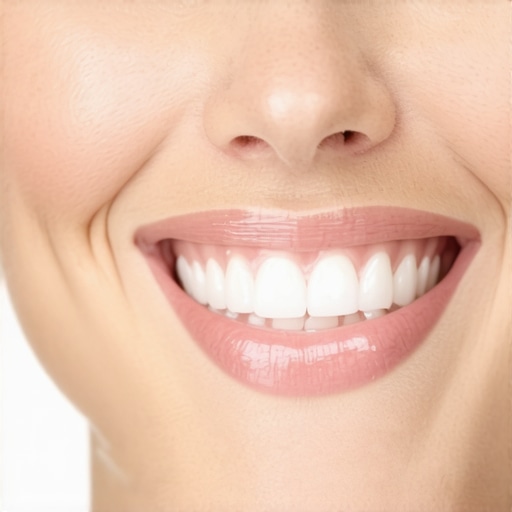
It happened on a Tuesday morning. I looked in the mirror and saw my reflection—smiling, but not quite as confident as I used to be. My teeth had become dull and stained over the years, and I was desperate for a brighter smile. Like many, I had tried those over-the-counter whitening strips with high hopes, only to end up with sensitivity and patches that looked worse than before. That lightbulb moment made me realize: I needed a safer, enamel-friendly approach to whitening.
Discovering a Gentle Way to Shine Bright
For years, I believed that more potent whitening products meant better results. Turns out, aggressive chemicals and abrasive pastes can damage your natural enamel, leading to long-term problems like increased sensitivity and even chipped teeth. It was a wake-up call I wish I had earlier. Today, I want to share what I’ve learned — a method to whiten teeth effectively without risking the health of your natural enamel. This journey isn’t just about aesthetic improvements; it’s about safeguarding our smiles for the future. After all, healthy teeth are a lifelong investment, not a quick fix.
Is Whitening Honestly Worth the Hype?
I made the mistake early on of assuming that any whitening product promising immediate results was safe. I ignored the importance of understanding what ingredients could harm my enamel. The truth is, many popular whitening options contain harsh chemicals like hydrogen peroxide at high concentrations, which can erode enamel if used improperly. For instance, I learned that professional guidance and gentle, enamel-safe products give far better, longer-lasting results. If you’ve ever wondered whether all that whitening hype is justified, I invite you to discover safer strategies that are backed by dental experts. Curious? Keep reading, because what I found out can truly transform your approach to a brighter smile.
Start with Proper Oral Hygiene Habits
Before attempting any whitening, establish a solid foundation with consistent brushing and flossing. Use a fluoride toothpaste and gentle brushing techniques to remove surface stains and plaque, which can dull your teeth’s natural shine. Regular cleaning prevents new stains from forming and maintains overall oral health. For effective tips on family dental routines, check out these oral health tips.
Choose Enamel-Friendly Whitening Products
Opt for products labeled as gentle or enamel-safe. Look for options containing lower concentrations of hydrogen peroxide or carbamide peroxide. These over-the-counter gels or whitening toothpaste can provide subtle improvements without risking sensitivity or enamel erosion. I recommend reading advice on safe whitening methods to pick the right product for your needs.
Applying Whitening Treatments Correctly
Follow the manufacturer’s instructions meticulously. For instance, when using whitening strips, ensure they cover all stained areas without overlapping onto gums, which can cause irritation. My first attempt involved carefully aligning strips while watching a movie, but I forgot to remove excess gel from my gums, leading to irritation the next day. This experience taught me the importance of precise application and adhering to recommended duration for safety and efficacy.
Adjust Your Diet to Limit Further Staining
Reduce consumption of coffee, red wine, and dark berries, which are notorious for staining teeth. If you indulge, rinse your mouth with water afterward to minimize stain absorption. Using a straw can also help prevent direct contact with your teeth. These simple dietary habits can prolong your whitening results and protect your investment.
Enhance Results with Consistent Maintenance
Regular professional cleaning plays a crucial role. Scheduling a dental cleaning with your dentist at least twice a year ensures surface stains are removed and your enamel remains healthy. Consider visiting a dental specialist to discuss personalized whitening plans or if you desire more noticeable results.
Think Long-Term Care and Protection
Once your teeth are visibly whiter, focus on safeguarding your new brightness. Avoid abrasive toothpaste that can wear down enamel, and maintain proper brushing techniques. For those with crowns, note that whitening products won’t change their color; instead, consult a dentist about matching crowns or replacing them to blend seamlessly. Learn about caring for crowns for longevity and shine.
Seek Professional Guidance When Needed
In cases of persistent staining or sensitivity, consult a dental professional. They can assess your enamel health and recommend whitening options tailored to your situation, including in-office treatments, which yield faster, safer results. Remember, ensuring your smile’s health is just as vital as its appearance.
Many believe that brushing twice daily and visiting the dentist annually are enough for optimal oral health, but this oversimplifies a complex system. A common myth is that whitening, flossing, and crowns are purely cosmetic; in reality, they play vital roles in preventing serious issues like periodontal disease and tooth loss. For instance, relying solely on traditional brushing ignores the importance of removing biofilm beneath the gum line, which requires proper flossing techniques or adjuncts like water flossers; neglecting this can lead to pocket formation and gum recession. An advanced mistake many make is assuming that crowns are permanent repairs; in truth, they can degrade or cause decay at the margins if not properly maintained, necessitating regular check-ups and specific maintenance routines such as caring for crowns.
Tools I Recommend for Long-Term Oral Maintenance
Maintaining a healthy, bright smile requires more than just periodic dental visits; it involves using targeted tools that support your oral hygiene routine daily. One device I personally swear by is the SonicSmile UltraCare electric toothbrush. Its oscillating head and multiple brushing modes, including a gentle mode specifically designed for crowns and sensitive areas, allow for thorough cleaning without over-aggressiveness. The built-in timer ensures you brush for the optimal two minutes, helping prevent missed spots and over-brushing that can damage enamel. I also incorporate a water flosser like the HydroJet Pro, which uses pressurized water to dislodge debris and plaque from hard-to-reach spaces—especially around crowns and between teeth—where traditional floss may struggle. In addition, an ultrasonic scaler like the PlaqueMaster X helps me periodically remove stubborn tartar buildup at home, especially after a dental cleaning, prolonging the effects of professional treatments.
For software, I rely on the SmileTrack app, which syncs with my electric toothbrush to provide feedback on brushing habits, duration, and coverage. Monitoring my technique helps me improve over time and ensures consistent maintenance. Digital reminders to replace toothbrush heads and schedule professional cleanings keep my routine proactive rather than reactive. Importantly, I trust reading credible sources; for instance, the expert advice on crowns and teeth cleaning gives guidelines that align with my regimen.
How do I maintain my dental crown and prevent issues long-term?
Proper maintenance of crowns involves gentle but effective cleaning, avoiding sticky or hard foods that can damage the crown, and regular check-ups to catch early signs of wear or decay at the margins. I often recommend using special soft-bristled brushes like the UltraCare SoftLine, which clean effectively without scratching porcelain surfaces. Scheduling biannual professional cleanings and evaluations ensures that crowns, along with surrounding tissues, remain healthy and intact. For more detailed tips, visit these crown maintenance tips.
Predicting the Future of Oral Care Tools
Looking ahead, I believe innovations like AI-powered brushing devices and smart sensors embedded in oral appliances will further personalize and optimize oral health regimens. Wearable technology may soon monitor pH levels, detect early signs of gum disease, and alert you before problems escalate. Integrating these tools with tele-dentistry platforms could make routine maintenance more convenient, proactive, and data-driven, helping you catch minor issues before they become major concerns.
Ask Yourself How to Keep These Tools in Top Shape
Maintaining your dental tools over time involves regular replacement and proper cleaning. For example, replace toothbrush heads every three months or sooner if bristles fray. Clean your water flosser nozzles weekly with vinegar or specialized cleaning tablets to prevent microbial buildup. Store tools in dry, well-ventilated areas, and follow manufacturer instructions for disinfection. Implementing these habits ensures your investments support your oral health journey effectively. For comprehensive guidance, check out this routine enhancement guide.
Feel inspired? Try integrating a water flosser into your daily routine today, and observe how it enhances your ability to maintain your crowns and overall oral health with less effort. Remember, consistent use and attentive maintenance are your best allies for a lasting, healthy smile.
Lessons That Changed How I Care for My Smile
One of the most unexpected lessons I learned is that prolonged use of harsh whitening products can weaken enamel over time, making teeth more susceptible to sensitivity and damage. This realization pushed me to prioritize enamel-friendly options and focus on strengthening my teeth instead of just whitening them superficially.
I also discovered that consistent, gentle oral hygiene habits—like proper brushing, flossing, and regular professional cleanings—are the foundation of lasting whiteness and health. Skipping routine visits may seem harmless, but it can allow plaque and stains to build up invisibly, undermining my efforts.
Another deep insight was understanding that some DIY whitening tricks can do more harm than good. For example, overuse of activated charcoal or baking soda can erode enamel, emphasizing the importance of trusting evidence-based, professional advice.
Tools and Resources That Elevate My Dental Routine
My electric toothbrush, the SonicSmile UltraCare, has become indispensable because it provides thorough cleaning without damaging sensitive areas or crowns. It ensures that I reach places manual brushing might miss, effectively reducing stains and plaque.
The WaterJet Pro water flosser is another game-changer—it cleans hard-to-reach spots around crowns and braces, preventing buildup and gum issues. I also rely on credible sources like expert advice on crowns and teeth cleaning to refine my technique and stay updated on best practices.
For more comprehensive guidance, I review routine tips for strengthening your smile, ensuring my daily habits support long-term oral health and brightness.
Your Turn to Brighten and Protect Your Smile
Maintaining a radiant smile is a journey that combines smart choices, quality tools, and professional guidance. Remember, a healthy, beautiful smile isn’t just about appearance—it’s a reflection of overall well-being and confidence. Start with gentle, consistent care, and don’t hesitate to seek expert advice when needed. Your future self will thank you for making these mindful decisions today.
What small change will you try this week to improve your oral health? Share your plan below and let’s support each other on the way to a brighter, healthier smile!
,