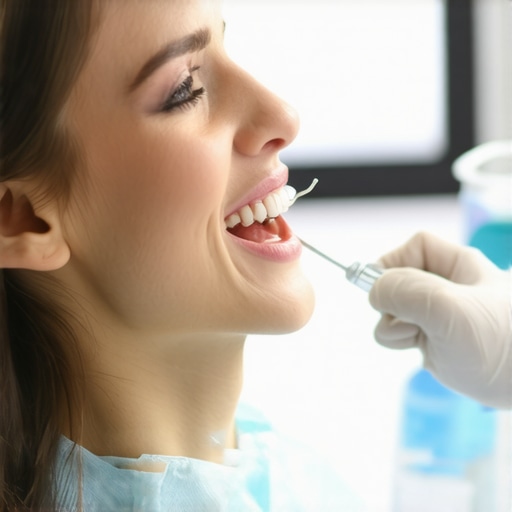
It happened again. I left the dentist’s office feeling like I had just completed a marathon—that dull, aching soreness in my jaw was a familiar, unwelcome souvenir. For years, I thought this soreness was just part of the process, a normal consequence of a thorough cleaning or a quick filling. But one day, I had a lightbulb moment: could there be more to this discomfort than I initially believed? That realization led me down a path of understanding, and now I want to share what I’ve learned with you.
Understanding Jaw Soreness After Dental Visits
Many people experience jaw soreness after a dental appointment, especially if they had a lot of work done or if they clench their teeth during the procedure. This soreness stems from muscle fatigue, pressure applied during treatment, or even the position you hold during the visit. Early on, I made the mistake of ignoring this pain, thinking it would go away on its own. However, neglecting it can sometimes lead to more serious issues like temporomandibular joint (TMJ) problems. Recognizing this, I started paying attention to how my jaw felt post-appointment and learned some practical ways to manage and prevent discomfort. Today, we’ll explore the causes of this soreness and practical steps to keep your jaw comfortable after dental work, so you can get back to your day without the lingering pain and worry.
Could This Common Discomfort Be a Warning Sign?
It’s easy to dismiss jaw soreness as just a temporary side effect, but it might hide underlying issues if it persists or worsens. The good news? Most cases are manageable, and with the right approach, you can minimize discomfort. If you’ve been ignoring your jaw pain after dental visits, it’s worth paying closer attention. Sometimes, these symptoms can be a sign of stress on your jaw muscles or even teeth misalignments that need addressing. Curious if you’re experiencing something more serious? Check out how regular dental care and proper technique can make all the difference, and don’t hesitate to reach out to a dental professional if your discomfort persists, perhaps through [this contact page](https://periodontistcare.com/contact-us). Understanding your jaw’s response to dental work is the first step toward healthier, more comfortable visits.
Implement Gentle Jaw Exercises to Relax Muscles
After your dental visit, gently opening and closing your mouth can help ease tension. I once tried this by slowly stretching my jaw muscles for a few minutes, which surprisingly reduced lingering soreness. Think of it as stretching a tired muscle after a workout—it encourages blood flow and relief.
Start with Small Movements
Use your fingers to support your jaw and slowly move it side to side or forward and back, avoiding any sharp or painful movements. Consistency is key; perform these stretches twice daily to help loosen tight muscles and prevent stiffness.
Manage Discomfort with Hot and Cold Therapy
Applying a warm compress can relax tense muscles, while a cold pack helps reduce inflammation and numb pain. I found success by alternating between the two—placing a warm towel on my jaw for 10 minutes, then switching to an ice pack for another 10, which significantly lessened my soreness.
Use Proper Temperature Settings
Wrap the ice or heat source in a cloth to prevent skin burns or frostbite. Avoid applying either directly to your skin, and never exceed 15-minute durations to prevent skin damage. This simple routine mimics the way athletes manage muscle fatigue.
Practice Good Posture During and After Dental Visits
Maintaining an upright position minimizes strain on your jaw and neck muscles. I noticed that slouching or leaning forward increased my discomfort, so I made a conscious effort to sit upright during and after appointments, which helped keep my jaw relaxed and reduce soreness.
Adjust Your Sitting Position
Keep your head aligned with your spine, and avoid craning your neck forward. Using ergonomic chairs and maintaining good posture can prevent unnecessary muscle tension, much like proper form helps prevent injuries during exercise.
Opt for Soft, Easy-to-Chew Foods
Consuming soft foods reduces the need to chew vigorously, decreasing strain on your jaw muscles. I started incorporating smoothies, yogurt, and mashed potatoes after my dental procedures, which kept my jaw from working overly hard and eased soreness.
Avoid Hard and Sticky Items
Stay away from crunchy nuts, sticky caramel, or tough meats that require significant jaw effort. Think of it as giving your muscles a break—enabling healing and reducing discomfort during recovery.
Maintain Regular Dental Care for Preventive Relief
Regular checkups and cleanings can prevent issues that lead to excessive muscle strain. Visiting my dentist periodically helped identify minor issues early, reducing the likelihood of post-appointment soreness. For tailored advice, consider reaching out to your dental professional through this contact page.
Follow Up on Your Oral Routine
Adopt a comprehensive oral health routine that includes gentle brushing and proper flossing techniques. For proven methods, visit this guide to ensure your mouth stays healthy and reduces the risk of soreness from overcompensation or muscle fatigue.
Many people believe that frequent, aggressive teeth brushing is enough for optimal oral health, but this common misconception often leads to enamel erosion and gum recession. In fact, overbrushing can do more harm than good—it’s essential to understand the nuance of proper technique and the role of gentle cleaning. Additionally, the myth that dental cleanings alone can prevent cavities overlooks the importance of comprehensive oral hygiene routines, including flossing and diet adjustments.
Are All Dental Practices Equal for Long-Term Results?
Contrary to popular belief, not all family dentistry clinics employ the same standards or techniques. Some may overlook the significance of personalized preventive care, which is crucial for addressing individual risk factors. For example, choosing a dentist who integrates advanced tools like laser gum therapy can significantly improve outcomes and reduce recovery times. This highlights the necessity of seeking professionals who focus on evidence-based practices rather than one-size-fits-all solutions. Remember, maintaining your oral health isn’t solely about scheduled cleanings but involves a proactive approach tailored to your unique needs. Want to know how to identify a practice aligned with your health goals? Visit this page for insights on selecting the right family dentist.
What About Crowns: Do They Last Forever?
The durability of dental crowns often surprises patients. Many assume crowns are permanent, but neglecting proper care can shorten their lifespan dramatically. Common mistakes include using abrasive toothpastes or neglecting regular check-ups, which can lead to fractures or microleaks. Research shows that timely maintenance and avoiding hard foods can extend crown longevity by several years. For advanced tips on preserving your crowns, explore this comprehensive guide. Remember, a crown’s success depends not just on the material but on how well you care for it. Do you think your crown care routine is sufficient? Share your experiences in the comments!Maintaining your oral health over time demands the right tools and a proactive mindset. I personally swear by a high-quality electric toothbrush, like the Philips Sonicare DiamondClean, because it offers superior plaque removal, especially around crowns and hard-to-reach areas. Its ultrasonic vibrations help prevent stain buildup and reduce the risk of gum inflammation, making it an indispensable part of my daily routine. For flossing, I recommend water flossers, such as the Waterpik Ultra, which effectively clean between teeth and around crowns without damaging delicate gums. Regular use of these tools, combined with a good oral routine detailed in this guide, ensures long-lasting results. Looking ahead, the trend leans toward smart dental devices that can sync with apps to monitor your brushing and flossing habits, providing real-time feedback to optimize your technique. This tech-driven approach aims to empower users, minimizing plaque risk and extending the lifespan of dental work.
How do I maintain my dental tools over time?
Proper maintenance involves replacing brush heads every three months and descaling water flossers monthly. Disinfecting your electric toothbrush head with a hydrogen peroxide solution weekly also prevents bacterial buildup. Paying attention to the manufacturer’s instructions ensures these tools perform their best, saving you from unnecessary replacements and costly dental repairs. For optimal results, I regularly visit my dentist, which helps catch issues early and keeps my tools’ performance on point. Want to improve your tool maintenance routine? Start by setting reminders to change your brush head every three months, leveraging the longevity of your dental investments. Remember, using well-maintained tools and advanced techniques not only protects crowns and fillings but also strengthens your oral resilience—making dental visits less daunting and more effective. For a detailed review on crown maintenance, visit this resource. Take this step today and feel the difference in your oral health journey.
Lessons That Changed My Approach to Dental Discomfort
- Realizing that persistent jaw pain isn’t just a normal side effect opened my eyes to addressing potential underlying issues like misalignment or TMJ disorders early, saving me from long-term problems.
- Understanding the importance of gentle exercises and proper posture during dental visits made a significant difference in reducing my post-appointment soreness and preventing future discomfort.
- Discovering that routine maintenance of tools like electric toothbrushes and water flossers can prolong the health of crowns and fillings was a game-changer, emphasizing proactive care over reactive fixes.
- Learning that diet plays a crucial role in recovery—soft, easy-to-chew foods can make a noticeable difference in easing muscle strain and speeding up healing—prompting me to rethink my meal choices after dental work.
- Recognizing the value of choosing dental practices dedicated to tailored, evidence-based care ensures a more comfortable and effective experience, underscoring that quality professional support is vital for long-term oral health.
Tools and Resources That Elevated My Dental Journey
- Expert Advice on Crowns and Teeth Cleaning: This comprehensive guide provided insights into preserving dental crowns and maintaining effective cleaning routines, directly improving my confidence in managing my oral health. (Learn more here)
- Good Habits Made Easy: The oral health routine recommended in this resource helped me adopt better daily practices, reducing sensitivity and preventing future soreness. (Find out how)
- Tool Maintenance Tips: Regularly replacing brush heads and disinfecting my tools as advised has kept my tools working optimally, ensuring the health of my crowns and overall oral wellness. (Details here)
- Clear Guidance for Families: For my loved ones, I followed suggestions from this family-friendly resource, helping my children develop healthy habits early, preventing issues like mouth breathing and misalignment. (Explore tips here)
Embrace Your Smile—Your Next Chapter Starts Now
Taking charge of your oral health with mindful routines, the right tools, and expert guidance is empowering. Every small step you take today builds a foundation for a healthier, more comfortable future. Don’t hesitate—your journey toward lasting dental comfort and confidence begins with a single decision. Remember, you deserve a smile that feels as good as it looks. Are you ready to make that change today? Share your experiences or questions below—we’re in this together!