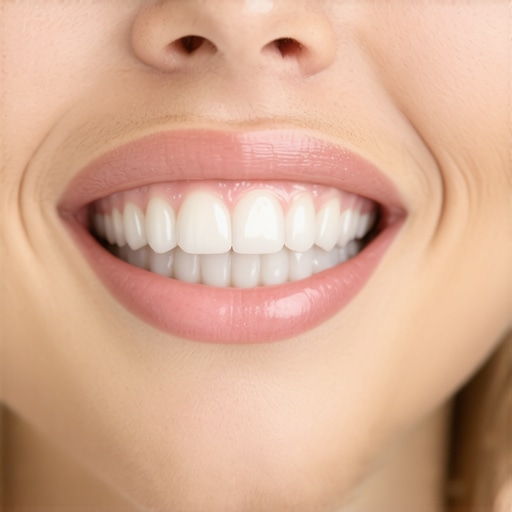
I remember the shock of feeling that tiny, unsettling click in my mouth when my dental crown unexpectedly fell out during a family dinner. It was one of those moments that immediately makes you wonder, “What did I do wrong?” and sends you rushing to Google in a panic. If you’ve ever experienced your crown coming loose or falling out, you know exactly how startling and frustrating it can be. Those little dental marvels are meant to protect your teeth and boost your confidence, but sometimes, they don’t stick around as long as we’d like.
So today, we’re going to dive into the most common reasons dental crowns fall out and, more importantly, what you can do about it. Facing this problem can be overwhelming, but understanding the cause can help you take effective steps to fix it—sometimes even before a trip to the dentist becomes urgent.
What Causes Dental Crowns to Loosen or Fall Out? The Usual Suspects
Is Your Oral Hygiene to Blame?
One of the biggest culprits behind a crown falling out is inadequate oral care. If plaque and tartar build-up undermine the tooth structure beneath the crown, it weakens the bond. Regular cleaning, flossing, and dental check-ups are essential in keeping your crowns securely in place. Remember, neglecting routine care can lead to decay or gum disease, which compromises the crown’s hold.
Early in my own experience, I made the mistake of thinking that once a crown was placed, my part was done. I didn’t realize that a diligent oral health routine, such as following expert advice on [maintaining your dental crowns](https://periodontistcare.com/maintaining-your-dental-crowns-dos-and-donts-for-best-results), is vital for longevity. Over time, everyone misses a brush or a floss session—it’s human. But consistent care makes all the difference.
> Did you know? According to the World Health Organization, maintaining good oral hygiene can significantly reduce the risk of crown failure due to secondary decay (WHO, 2023). That tiny effort at home can prevent costly repairs later.
Now, let’s look at other reasons a crown might decide to take a leave of absence from your mouth.
Common Causes and How to Prevent Them
Master Your Oral Hygiene Routine
Think of your mouth as a busy city, with each tooth a vital building. Regular cleaning is like garbage collection; neglect it, and waste accumulates, weakening structures. To keep your crown firmly in place, brush twice daily with a soft-bristled toothbrush, just like gently sweeping away debris without damaging delicate surfaces. Floss meticulously around every tooth, including your crown, to remove plaque that can undermine the bond. I remember one time, I used floss with a gentle sawing motion, which removed stubborn plaque but avoided pulling on the crown, preventing potential dislodgement.
Prioritize Professional Dental Check-ups
Regular visits to your dentist are crucial—think of these as city inspections ensuring everything’s in balance. During these check-ups, your dentist can spot early signs of decay or gum disease beneath or around the crown. This proactive approach helps you fix issues before they escalate, similar to fixing a small leak before flooding occurs. Scheduling biannual exams can significantly extend your crown’s lifespan and safeguard your oral health. Find a trusted family dentist, like those at family dentistry clinics, to guide you through this process.
Follow a Diet That Protects Your Teeth
What you eat directly impacts your dental health. Limit sugary, acidic foods and drinks—they’re like corrosive chemicals attacking your teeth and crown bond. Opt for balanced meals rich in calcium and phosphate, which reinforce your enamel, much like strengthening the foundation of a building. Chewing sugar-free gum after meals can stimulate saliva production, acting as an in-house cleaning crew that neutralizes acids. Remember, even hard candies or sticky snacks can dislodge a poorly bonded crown; treat these with caution. For deeper insights on dietary choices supporting oral health, visit family oral health tips.
Adopt Proper Brushing and Flossing Techniques
Using the right tools and methods is like fine-tuning your car for optimal performance. Use a soft-bristled toothbrush and gentle circular motions to clean your teeth without applying excessive pressure that could loosen your crown. Floss carefully beneath the gum line and around the crown, ensuring no plaque hides in tight spaces. Remember, aggressive brushing can harm your gums and weaken the cement holding the crown. Watching videos or consulting your dentist for a demonstration ensures you’re doing it right—think of it as receiving personalized coaching to keep your smile intact.
Be Cautious with Hard and Sticky Foods
Hard foods like nuts or ice and sticky candies might seem harmless but can act as saboteurs, knocking your crown loose. Think of these Like tiny, relentless storms battering the fortress of your crown. When handling these foods, use gentle biting motions and avoid giving in to the temptation to chew directly with your front teeth. If you accidentally bite into something hard, inspect your crown for chips or looseness. Taking these precautions minimizes the risk of damage and ensures your crown stays secure for years.
Use Protective Measures When Needed
If you grind your teeth at night or during stressful times, a custom night guard provides a shield—much like a protective helmet—to prevent undue pressure that can loosen or fracture your crown. Consult your dental professional for a properly fitted guard; it’s a small investment that offers big protection, especially if you’re prone to bruxism. Additionally, avoid using superglue or DIY fixes if your crown falls out, as improper repairs can cause further damage and complicate professional reattachment. For more tips on protecting your crowns, see caring for crowns.
While brushing and flossing are the cornerstones of oral hygiene, many people overlook the subtle complexities that truly impact their dental health. Contrary to popular belief, simply scrubbing away plaque isn’t enough; technique, timing, and understanding your unique dental needs play a crucial role. For instance, aggressive brushing can wear down enamel and gum tissue, leading to sensitivity and recession—yet many still believe harder is better. According to a comprehensive review in the Journal of Dental Research, proper brushing technique reduces plaque more effectively than brute force, emphasizing the importance of gentle, thorough cleaning. Moreover, many assume that family dentistry only involves routine check-ups. In reality, experienced family dentists tailor preventive strategies, including customized cleanings and patient-specific recommendations, to forestall advanced issues like decay around crowns or early gum disease. An often-missed nuance is understanding the significance of crown maintenance after placement. Proper care can extend the lifespan of crowns significantly, as detailed in an article on crown longevity from our expert tips. A common myth is that teeth whitening options will permanently alter your natural shade—when in truth, adherence to good oral hygiene and professional guidance are key to maintaining brightness over years, not just days. For the advanced enthusiast, exploring the role of micro-leakage beneath porcelain crowns reveals how tiny imperfections can lead to decay underneath a seemingly sealed surface, underscoring the importance of regular check-ups to catch these issues early (learn more about crowns). Remember, oral health isn’t just about keeping teeth clean; it requires nuanced understanding, tailored actions, and avoiding common pitfalls that most overlook. Have you ever fallen into this trap? Let me know in the comments.
Keep Your Dental Work in Top Shape with the Right Tools
Maintaining oral health over the years requires more than just daily brushing and flossing; it involves investing in high-quality, effective tools that make routine care both easier and more thorough. I personally rely on a combination of electric toothbrushes, water flossers, and professional-grade cleaning aids to keep my family’s smiles bright and healthy. An electric toothbrush with a oscillating-rotating head, like the Oral-B Genius series, provides superior plaque removal compared to manual brushes, especially in hard-to-reach areas around crowns and bridges.
How do I maintain my tools for lasting performance?
Proper maintenance of your dental tools is essential for long-term results. I make it a habit to replace my electric toothbrush heads every three months—this ensures maximum efficiency and reduces bacterial build-up. Water flossers, such as the Waterpik Quantum, require regular cleaning of the tip and reservoir to prevent mold and bacteria accumulation. Disinfect your tools weekly using a diluted hydrogen peroxide solution, following guidelines from dental experts, to keep them sterile and effective. Regularly inspecting your tools for wear and tear helps prevent damage that could compromise your oral health routines.
Investing in Technology for Better Outcomes
Emerging innovations in oral care technology are shaping the future of family dentistry. Smart toothbrushes that connect via Bluetooth to your smartphone app, like the Philips Sonicare DiamondClean Smart, provide real-time feedback on your brushing habits and pressure applied, helping you refine technique. This becomes especially valuable when managing crowns or other restorations, as proper brushing frequency and technique directly impact their longevity. Additionally, ultrasonic scalers with advanced models can help maintain gum health between dental visits, reducing the risk of complications that might dislodge or damage dental work.
Where do I see the future of oral health tools heading?
Expect more integration of AI and IoT devices that monitor your oral health 24/7, providing personalized recommendations and early warnings for issues like plaque buildup or gum inflammation. As these tools become more affordable and user-friendly, maintaining complex dental work like crowns or implants will be more manageable at home, reducing the need for frequent trips to the dentist. Staying ahead of the curve can protect your investments in your smile and overall wellness.
Key Tips for Long-Term Maintenance of Crowns and Restorations
Consistent use of recommended tools and techniques helps prolong the life of crowns and other dental restorations. Regular check-ups and professional cleanings, as discussed at understanding the role of crowns, complement at-home maintenance. Always avoid hard, sticky foods that could dislodge or damage these restorations, and consider using a night guard if you grind your teeth—preventing undue stress on your dental investments. Moreover, scheduling routine professional cleanings, typically twice a year, removes stubborn plaque and tartar, reinforcing your at-home efforts.
To maximize your tools’ impact, try experimenting with a water flosser combined with an electric toothbrush—these two devices together can significantly reduce plaque around crowns and bridges, avoiding decay underneath them. Remember, investing in quality tools and maintaining them properly translates into fewer dental emergencies and better long-term outcomes. For personalized advice on selecting the best equipment for your family, consider consulting a trusted dental professional or visiting our contact page.
The Hardest Lesson I Learned About Dental Crowns and Oral Care
One of my most surprising realizations was that even with a perfect crown placement, neglecting daily care can lead to unexpected issues. I once believed that the crown was a set-it-and-forget-it solution, but personalized routines and mindful habits are essential for its longevity. It taught me that understanding the nuances of crown maintenance prevents many common problems, saving time and money in the long run.
Tools That Make All the Difference in Family Dentistry
Investing in high-quality tools like electric toothbrushes and water flossers has revolutionized how my family maintains oral health. I trust devices such as the Philips Sonicare for their proven efficacy, which complements professional cleanings and helps preserve dental work like crowns. Proper tool maintenance, including replacing heads and disinfecting, ensures they continue to serve us well, making daily routines more effective and less stressful.
Embracing Technology for Smiles That Endure
Smart dental devices, from Bluetooth-enabled toothbrushes to ultrasonic scalers, are powerful allies in protecting crowns and overall oral health. They offer real-time feedback and data-driven insights, which have helped us catch minor issues early. As technology advances, integrating these innovations can significantly extend the life of dental restorations, giving confidence that your smile stays healthy and radiant.
Letting Go of Myths, Embracing Real Results
I used to believe that products promising whitening or immediate fixes would permanently protect my crown and teeth. Over time, I learned that consistent, correct routines—like gentle brushing, regular check-ups, and a balanced diet—are far more effective. Dispelling misconceptions about quick fixes empowers you to make informed decisions that truly benefit your oral health beyond fleeting appearances.
Where Your Knowledge Can Truly Make a Difference
Applying what you’ve learned about crowns and oral hygiene—such as lifelong routines, cautious diet choices, and professional guidance—can profoundly impact your smile’s durability. Remember, your proactive measures today set the stage for a healthier future. For deeper insights, exploring resources on understanding the role of crowns can be eye-opening, helping you see how small habits build long-lasting results.
Your Next Step Toward a Fearless Smile
Protecting your dental crowns isn’t just about avoiding emergencies; it’s about empowering yourself to maintain confidence and comfort in your everyday life. Start integrating these expert tips into your routine today—your future self will thank you. Have you ever experienced a moment that changed how you approach oral care? Share your story below and inspire others to take control of their dental health!
,