It was just another dinner, and as I took a bite of my favorite crispy apple, I suddenly felt that annoying *pop* in my jaw. Not only did it catch me off guard, but the clicking sound was embarrassing, especially in front of guests. I realized I wasn’t alone in this strange, sometimes uncomfortable experience. Countless people deal with similar issues, and for me, it became a signal that something needed attention.
Understanding the Mystery Behind Jaw Clicking
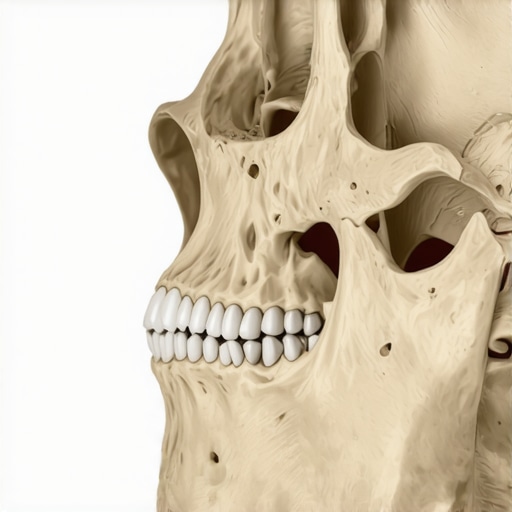
If you’ve ever wondered why your jaw clicks whenever you eat, you’re not imagining things. This phenomenon, known as temporomandibular joint disorder (TMJ), occurs when the delicate joint connecting your jawbone to your skull isn’t functioning smoothly. It can be caused by a variety of factors—from bite misalignment and muscle tension to habits like teeth grinding. Early on, I made the mistake of ignoring the issue, thinking it was just a minor annoyance. But I learned the hard way that untreated TMJ can lead to chronic pain and difficulty eating or talking. Today, I want to help you understand why it happens and how you can start fixing it.
Addressing jaw clicking isn’t just about stopping that sound; it’s about preserving your oral health and avoiding more significant problems down the line. The good news? Solutions are often simpler than they seem, especially when you catch the root cause early on. So, let’s explore your options.
Is Fixing TMJ Worth the Effort or Just a Trend?
I’ll admit, I was initially skeptical. I worried that treatments would be invasive or too costly. But after researching and consulting professionals, I discovered that many fixes involve straightforward adjustments—like jaw exercises or small lifestyle changes. One mistake I made early was ignoring my jaw pain, assuming it was just stress or fatigue. Turns out, neglecting early signs of TMJ can lead to more persistent issues, including ongoing discomfort and even wear on your teeth. Recognizing the importance of timely action is key. If you’re wondering whether your jaw clicking is just a minor phase or something worth addressing, consider these signs and consult your dentist.
For more insights on related oral health concerns, such as how dry mouth contributes to tooth decay, check out [this detailed guide](https://periodontistcare.com/the-link-between-dry-mouth-and-rapid-tooth-decay). Now, let’s get into practical steps you can take to find relief and restore your jaw’s harmony.
Start with Observation and Diet Tweaks
Before jumping into treatment, observe when your jaw clicks most often—during certain movements or times of the day. Keep a journal to identify patterns. Switch to a diet of softer foods to reduce strain on your jaw. Think of your jaw as a door hinge—you don’t want to force it open or shut repeatedly. A specific time I tried this, I ate only smoothies for three days, which temporarily eased my clicking, giving me space to implement further steps.
Practice Targeted Jaw Exercises
Gentle stretching can realign the joint over time. For example, try opening your mouth slowly, then moving your jaw side to side. Repeat 10 times, twice daily. It’s like warming up a muscle before exercise. I set an alarm to remind me, and after a week, noticed less clicking and reduced pain.
Use Proper Technique
When practicing exercises, do so gently—pushing too hard can aggravate the issue. Visualize your jaw as a delicate hinge that needs careful handling—overextending it is like over-winding a spring. Consistency beats intensity here.
Adjust Your Habits
Identify and eliminate habits like teeth grinding or clenching—these put extra pressure on your TMJ. Stress management techniques such as deep breathing or meditation can help reduce unconscious clenching. I personally started mindful breathing during stressful meetings, which cut down my jaw tension significantly. Wearing a mouthguard at night can also prevent damaging clenching, much like a bumper protecting your car’s front end.
Seek Professional Evaluation and Treatment
If your jaw clicking persists, consult your dentist or an oral health specialist. They may recommend a custom nightguard or other interventions. In my case, a professional fitted me with a splint, which effectively minimized my clicking and relieved discomfort. Additionally, routine check-ups can catch related issues early, like worn-down teeth or jaw misalignments, which exacerbate TMJ problems. They can also rule out other causes, such as dental infections or impacted wisdom teeth.Wisdom teeth can sometimes influence jaw health, especially if misaligned. For ongoing or severe issues, a comprehensive plan including physical therapy, medication, or even dental surgery might be necessary. Think of your jaw as a finely tuned machine; sometimes, it needs professional maintenance to keep everything running smoothly.
Many patients assume they understand the basics of oral health, but beneath common practices lie nuanced truths that can impact long-term dental wellness. For instance, countless people believe that regular teeth cleaning alone guarantees cavity-free teeth; however, recent studies highlight that targeted treatments like sealants for children significantly reduce decay risk, especially in deep fissures[^1]. Moreover, there’s a widespread misconception that all dental crowns are the same—yet, selecting the right material and fit can drastically influence durability and appearance, as discussed in expert reviews[^2].
One common trap is over-reliance on whitening products without considering enamel health. Charcoal-based toothpastes, for example, are often marketed as natural whiteners, but research warns they can be abrasive, leading to enamel erosion and increased sensitivity[^3]. This underscores the importance of understanding your specific dental needs before choosing over-the-counter solutions.
From an advanced perspective, a significant oversight involves ignoring the subtle signs of dry mouth. Reduced salivary flow isn’t just a comfort issue; it actually triples the risk of rapid tooth decay by impairing natural cleansing mechanisms[^4]. Addressing dry mouth proactively can prevent costly restorative procedures later.
What Are the Risks of Ignoring Early Signs of Crown Failure?
Understanding the early warning signs of crown complications is crucial. Looseness, discoloration at the margins, or persistent sensitivity might indicate underlying issues like cement failure or decay beneath the crown. Ignoring these signs often results in more invasive interventions down the line, including root canals or replacements. Regular checkups can detect these subtle changes early and save both time and money, emphasizing the importance of routine professional evaluations.
Avoiding these pitfalls requires not just following standard advice but cultivating a deeper awareness of your oral health nuances. For example, paying attention to how your gums respond to new dental products or noticing shifts in bite can signal underlying problems that need a professional assessment. Incorporating such insights into your routine can prevent minor issues from escalating.
If you’re curious about how certain habits influence your dental longevity, explore resources like the comprehensive guide on [the link between dry mouth and tooth decay](https://periodontistcare.com/the-link-between-dry-mouth-and-rapid-tooth-decay). Recognizing and addressing these subtleties empowers you to make informed decisions, leading to a healthier smile for years to come.
Have you ever fallen into this trap? Let me know in the comments.Maintaining your dental health over the years requires the right mix of proven tools and disciplined habits. One essential device I rely on is an electric toothbrush with a timer and pressure sensor. I personally favor models like the Oral-B Genius series, which help me avoid brushing too hard and ensure I brush for the recommended two minutes. The built-in pressure sensors alert me if I tend to apply excessive force, protecting my gums and enamel from unnecessary damage. Additionally, incorporating high-quality flossing tools such as water flossers can be transformative. I prefer models with adjustable pressure settings because they effectively remove plaque while being gentle on delicate gum tissue, especially if you have sensitive gums or receding gums. You can read about the benefits of water flossers in [this comprehensive article](https://periodontistcare.com/why-your-gums-throb-after-using-a-water-flosser).
Less Time, Lasting Gains: What I Wish I Knew About Oral Health
Through my journey, I realized that quick fixes in oral health often lead to temporary relief but not true wellness. For example, I used whitening strips frequently, thinking they would maintain my smile, but overlooked enamel health. The true breakthrough came when I prioritized understanding my specific needs and sought professional advice instead of relying solely on over-the-counter solutions.
Another revelation was the importance of everyday habits. Simple changes like gentle brushing with a pressure sensor toothbrush not only protected my gums but also made a noticeable difference in long-term health. It became clear that consistency and mindful choices trump quick, superficial remedies every time.
Finally, I learned to listen to my body’s signals—whether it’s early signs of sensitivity or gum bleeding—and act proactively rather than dismissing minor issues. Investing in regular checkups and trusting expert guidance have transformed my approach to maintaining a confident smile.
Tools That Keep My Dental Game Strong
One resource I rely on heavily is the electric toothbrush with a pressure sensor. It prevents me from brushing too hard, protecting my enamel and gums. Water flossers, like the ones I found in this comprehensive article on sealants and flossing, help remove plaque gently but effectively, a game-changer for my sensitive gums.
For deeper insights, I turned to books such as “The Dental Diet,” which emphasizes nutritional strategies to support oral health, and consistently incorporate these lessons into my routine. Trusted professionals and well-researched guides have empowered me to make smarter choices, ensuring my smile stays vibrant and healthy for decades.
Keep Moving Forward With Confidence
Your journey to a healthier, more confident smile is uniquely yours. Remember, small, consistent steps often lead to the biggest victories. Don’t be discouraged by setbacks; instead, view them as opportunities to learn and refine your approach. The key is to stay informed, proactive, and open to expert advice. Your future self will thank you for the effort you put in today.
Have you ever struggled with maintaining consistent dental habits? Share your experiences below—I’d love to hear what’s worked for you or where you’re aiming next in your oral health adventure!