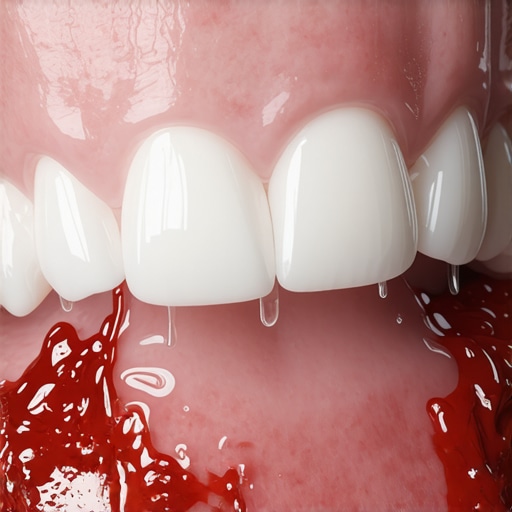
I vividly remember the day I first noticed blood on my floss. It was after what I thought was a routine cleaning routine. Annoyed, I brushed it off as a minor irritation—until it became a weekly pattern. That moment sparked a deep dive into what might be going wrong. Turns out, many people like you and me are puzzled because we’re diligently flossing, yet our gums still bleed. Why is that? What am I missing?
Uncovering the Hidden Reasons Behind Bleeding Gums
You see, what many don’t realize is that bleeding gums aren’t necessarily a sign of poor hygiene. Sometimes, it’s a sign that something more complex is at play—like inflammation, mineral deficiencies, or even underlying health issues. Despite my best efforts to keep my mouth clean, the bleeding persisted. It made me question my routine and crave clear answers.
Now, I promise that by the end of this, you’ll understand the core reasons for persistent gum bleeding and, more importantly, how to address them effectively. No more guesswork. Just practical, neighborly advice that I wish someone had shared with me from the start.
Skeptical? Is Gum Bleeding Actually Normal or Just A Worry?
When I first encountered this issue, my mistake was to assume that bleeding was just part of the process of starting flossing. I tell you, that was a rookie error. A common misconception is that bleeding gums are normal, especially if you’re diligent about brushing and flossing. In reality, persistent bleeding should never be ignored—it could be a sign of gum disease or other health concerns.
Surprisingly, studies show that nearly 50% of adults experience some form of gum bleeding, but many dismiss it as trivial, not realizing it may lead to serious issues like periodontitis if untreated (American Academy of Periodontology). So, if this sounds familiar, you’re not alone. But understanding why it happens is the first step toward resolution.
In the upcoming sections, I’ll walk you through the most common causes of bleeding gums, how to identify them, and practical steps to get back on track. If you’ve been staring at bleeding gums as an unavoidable nuisance, hold tight—you’re about to discover how simple adjustments, along with understanding your oral health, can turn things around.
Master Your Oral Hygiene Routine
Start by brushing twice daily with a soft-bristled toothbrush, using gentle circular motions to avoid damaging your gums. Incorporate a fluoride toothpaste to strengthen enamel and prevent decay, which can contribute to gum inflammation. Floss daily, ensuring you’re cleaning between each tooth thoroughly without snapping the floss, which can irritate gums. When flossing, curve the floss around each tooth to remove plaque along the gumline effectively. I recall a time I replaced my old stiff brush with a new soft one and committed to consistent flossing—I noticed less bleeding within a week. Regular brushing and flossing are the foundation, akin to maintaining a well-oiled machine—neglecting them invites trouble.
Implement Proper Teeth Cleaning Practices at Home
Deep-clean your mouth with interdental brushes or water flossers, especially if you have wider gaps or dental implants. These tools reach areas that traditional floss might miss, removing plaque buildup that irritates gums. Use antiseptic mouthwash after brushing to reduce bacteria, but avoid rinsing immediately after brushing to allow fluoride to work longer. My own experience with a water flosser was messy at first—I saturated my bathroom—but persistence paid off, and my gums responded positively. Think of this step as giving your oral cavity a thorough spring cleaning, clearing out hidden grime.
Adjust Your Diet for Better Gum Health
Consume foods rich in vitamin C and omega-3 fatty acids, which reduce inflammation and support tissue repair. Incorporate plenty of fresh fruits, vegetables, and fatty fish into your meals. Limit sugary snacks and beverages, as sugar fuels harmful bacteria that cause gum disease. I once changed my snack routine, swapping candy for nuts and berries, noticing my gums stopped bleeding as often. Consider incorporating supplements if your diet is lacking; consult your dentist or healthcare provider first. Proper nutrition is like fueling a car—without it, your oral tissues can’t fight off infections effectively.
Schedule Regular Professional Cleanings and Checkups
Visit your dentist every six months for professional cleanings, where plaque and tartar are removed beyond what you can achieve at home. These visits enable early detection of gum issues before they escalate, such as periodontal pockets or bone loss. During my appointment, the hygienist meticulously cleaned my teeth, revealing a brighter smile and healthier gums. Think of professional cleanings as a crucial tune-up—preventative maintenance that keeps your mouth in prime condition. Regular visits also offer an opportunity to discuss concerns like gum bleeding and receive tailored advice.
Evaluate and Address Underlying Health Concerns
Persistent bleeding may stem from systemic issues such as diabetes or vitamin deficiencies. If you’ve tried all the above steps and still experience bleeding, consult your healthcare provider to rule out medical conditions. Sometimes, medication side effects or immune disorders weaken gum tissues, making them prone to bleeding. Keeping track of associated symptoms like swelling or persistent bad breath can help your dentist diagnose the root cause. Think of this as professional diagnostics—identifying the silent culprits behind your gum issues.
Explore Additional Supportive Treatments
If bleeding persists despite diligent routine, consider targeted treatments like scaling and root planing or gum therapy. These procedures remove deeper plaque deposits and promote gum reattachment. Sometimes, addressing bite issues or correcting misaligned teeth with crowns or orthodontics can reduce stress on gums, preventing further bleeding. For example, after a deep cleaning, I was advised to avoid hard foods temporarily to let my gums heal. Remember, in some cases, specialized interventions like crowns can stabilize compromised teeth, indirectly improving gum health. Combining these steps with good habits maximizes your healing potential.Many people enter the world of dental care with misconceptions that can hinder their progress toward better oral health. While routine visits, whitening, and crowns are seen as straightforward solutions, the nuanced aspects of these treatments often go unnoticed. For instance, a widespread myth is that crowns are merely cosmetic; in reality, they serve as vital restorations that protect damaged teeth and restore function, as explained in [this detailed guide](https://periodontistcare.com/how-crowns-can-transform-your-dental-confidence). Overconfidence in a brushing routine can also lead to overlooked plaque buildup, which professional cleanings target effectively—don’t underestimate their importance, especially when paired with daily home practices outlined [here](https://periodontistcare.com/teeth-cleaning-secrets-effective-home-practices-for-family-dental-health).
Are All Dental Procedures Created Equal? Think Again
A common error is assuming that all dental work guarantees longevity. For example, not all crowns are made from the same material, affecting their durability and natural appearance. Selecting the right type involves understanding the differences, which you can explore [here](https://periodontistcare.com/maintaining-your-dental-crowns-dos-and-donts-for-best-results). Another misconception involves the frequency of dental visits; some believe annual checkups suffice, but evidence suggests biannual visits are more effective in catching issues early and maintaining optimal health, as supported by [research from the American Dental Association](https://www.ada.org).
One trap many fall into is neglecting the role of systemic health in oral wellness. Conditions like diabetes can profoundly influence gum health and the success of treatments like crowns or cleaning routines. Ignoring this connection can compromise outcomes, so regular communication with both your dentist and healthcare provider is crucial. Remember, combining professional care with your personal routine establishes a robust defense against oral issues, a philosophy underscored by experts in the field.
To truly master your oral health, it’s vital to question assumptions and consult reputable sources rather than relying solely on myths or anecdotal advice. Embrace a comprehensive approach that integrates regular professional care, tailored treatments, and an understanding of underlying health factors. If you’ve ever fallen into misconceptions that set back your dental journey, let me know in the comments. Sharing your experiences can help others avoid these pitfalls and pave the way for healthier smiles across your family.Maintaining optimal oral health over the years requires more than just good intentions; it demands the right tools and routines. Personally, I’ve found that investing in high-quality equipment significantly enhances my family’s dental outcomes and simplifies routine care. Today, I want to share some of the specific tools I recommend to keep your dental practice effective and efficient, as well as where I see this trend evolving in the future.
Why a Digital Dental Microscope Is a Game-Changer
For those of us committed to long-term oral health, a digital dental microscope is invaluable. I personally use a model like the Dino-Lite, which provides magnification up to 220x, allowing close inspection of gums and teeth for early signs of plaque buildup or inflammation. This tool helps me identify trouble spots before they become larger issues, saving time and money. As technologies advance, I predict that AI-powered diagnostics integrated into these microscopes will become standard, enabling even more precise and personalized preventive care.
Smart Plaque Disclosing Agents for Better Education
Encouraging family members to maintain their oral routine is easier when they see where plaque hides. I recommend using disclosing tablets or liquids that stain plaque, making it visually obvious. Personally, I like the AquaSlide formulas because they leave a vivid blue hue on plaque and gently fade away after brushing. This immediate visual feedback motivates better brushing habits and helps children understand the importance of thorough cleaning. The future may see these agents combined with app-based feedback, turning routine brushing into an interactive learning experience.
Incorporating these tools into daily routines can make a significant difference. Regular use of an electric toothbrush like the Sonicare DiamondClean, which I swear by for its sonic vibrations and timer, ensures a thorough clean once you’ve mastered technique. Combined with a water flosser such as the Waterpik Ultra, which I’ve found to be gentle yet effective, you can reach those hard-to-clean zones without damaging delicate gum tissue. For crowns and restorations, an ultrasonic scaler helps maintain longevity by removing stubborn deposits without scratching surfaces, echoing expert advice from dental professionals. As you consider scaling your toolkit, watch for innovations like cordless ultrasonic devices, which offer mobility and ease of use—perfect for busy families.
Monitoring Tools and Software to Track Progress
Digital health apps like Philips Sonicare app or MySmileDental help me keep logs of brushing habits, flossing frequency, and even track my progress over time. These insights allow me to adjust routines proactively rather than waiting for visible problems. Integrating such software with Bluetooth-enabled devices can alert you if your brushing technique diminishes or habits slip—keeping you accountable. Looking ahead, I believe AI-driven analysis combined with your dental records will personalize maintenance schedules further, making preventive care a seamless part of everyday life.
How do I stay consistent with these tools over the years?
The secret lies in anchoring these habits into your daily routine. For my family, I assign specific times for using each tool—brushing before breakfast, disclosing agents after dinner, and regular checks with a magnified mirror. Keeping equipment well-maintained is equally crucial; for instance, replacing toothbrush heads every three months and calibrating electronic devices ensures peak performance. Remember, the goal is consistency; high-quality tools used regularly will outperform cheap, neglected equipment every time.
In the end, combining these advanced tools with a well-structured oral health routine ensures that you’re not just maintaining but actively improving your family’s long-term dental wellness. I encourage you to try one of these recommendations—perhaps an ultrasonic scaler or disclosing agent—to see immediate benefits. These investments are small compared to the benefits of a lifetime of healthy smiles. Stay tuned for upcoming insights on how to optimize your routine further, and always visit trusted sources like the family dentistry foundation for comprehensive guidance.
Lessons I Wish I Learned Sooner About Family Dentistry and Gum Care
One of the most profound realizations I had was that consistent, mindful practices trump quick fixes. For example, many believe that flossing alone can prevent bleeding gums, but I discovered that technique and routine matter just as much as the tools I used. It was a lightbulb moment to realize that small adjustments—like switching to a soft-bristled brush or incorporating antiseptic rinses—can have a monumental impact over time. Additionally, understanding that underlying systemic health influences gum health shifted my approach from purely oral-focused to a holistic perspective. This insight transformed my daily routines and encouraged me to seek professional evaluations for persistent issues instead of ignoring them. If you’re serious about improving your family’s oral health, embracing these lessons can make all the difference. Remember, your gums are a window into your overall health—pay close attention, and they’ll reward you with a lifetime of smiles.
Tools and Resources That Elevated My Oral Health Journey
Over the years, I’ve leaned on specific tools that genuinely make a difference. The electric toothbrush with sonic vibrations has revolutionized my daily cleaning, ensuring thorough plaque removal without damaging delicate gums. The water flosser became indispensable, especially when tackling hard-to-reach areas or after meals. For monitoring my progress and staying accountable, I rely on smartphone apps like the Philips Sonicare or MySmileDental, which provide insights and reminders that keep habits consistent. Additionally, regular professional cleanings at my dentist—like those detailed in these expert tips—are vital in catching issues early and maintaining optimal oral health. These resources have empowered me to take control rather than just react to problems, and I believe they can do the same for you and your family.
Your Next Step Toward Confident Smiles
Achieving lasting gum health isn’t about overnight changes but building a sustainable routine rooted in knowledge and proper tools. Starting today, consider integrating some of these habits or resources into your family’s daily practices, emphasizing consistency and mindfulness. Ignoring minor issues like bleeding gums can lead to more significant problems down the line, so take proactive steps now—your future self will thank you. Remember, the journey toward a lifetime of confident smiles begins with a single step, and you’re already on the way. Ever wondered how a simple change can transform your entire oral health? Don’t hesitate to explore new routines—your happiest, healthiest smile awaits. What small adjustment will you try first to improve your family’s gum health? Let me know in the comments below.