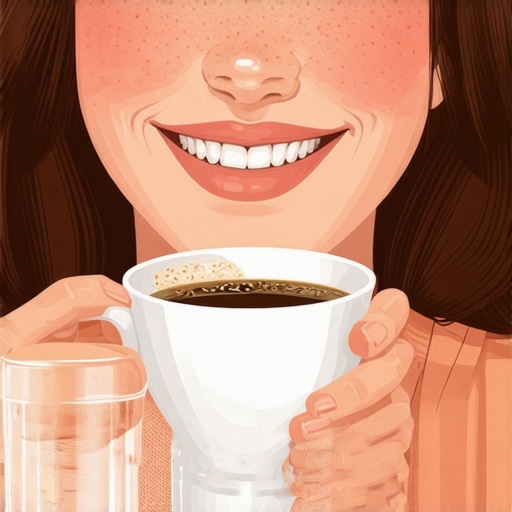
Ever had that sinking feeling after sipping your favorite morning coffee, only to notice a strange sensitivity or a slight change in your smile? I remember the moment I first realized my beloved coffee might be secretly eroding my teeth. It was during a routine dental checkup when my dentist pointed out early signs of acid wear, and I was stunned. How could something I loved so much be harming my smile? That lightbulb moment compelled me to dig deeper, because I refuse to give up my coffee—it’s part of my daily comfort and productivity ritual.
**
Facing the Coffee Conundrum: Protect Your Smile While Enjoying Your Brew
**
In this post, I want to share practical, proven strategies to safeguard your teeth from acid erosion without sacrificing that comforting cup of joe. Acid erosion can sneak up on you, gradually wearing down enamel—the tooth’s protective armor. Once it’s gone, your teeth become vulnerable to sensitivity, discoloration, and even more serious issues. But here’s the good news: with some simple adjustments and clever habits, you can enjoy your coffee and still keep your smile healthy and bright.
**
Is Acid Erosion Actually Worth the Hype?
**
Early in my journey, I made the mistake of dismissing minor sensitivity as just a temporary annoyance. I thought, “It’s probably nothing,” but that oversight allowed the erosion to progress. Did you know that experts warn that acid erosion affects a significant number of adults—up to 30%—and often goes unnoticed until it’s advanced? This is why catching it early matters. Recognizing the signs and taking preventive steps can save you money, discomfort, and the hassle of extensive dental work later on.
Understanding the subtle ways acid from drinks like coffee, citrus, and sodas can weaken enamel is crucial. My own mistake was ignoring the impact of prolonged exposure—sipping slowly or holding coffee in my mouth to enjoy every drop—this gave acids ample time to do damage. Trust me, small habits can make a huge difference.
This post will guide you through effective tactics—like timing your coffee moments, choosing pH-balanced beverages, and maintaining excellent oral hygiene—to help you preserve your smile while still savoring your favorite drinks. Ready to learn how I managed to strike a balance? Let’s dive into the practical steps that can make your coffee routine safer and your teeth stronger.
Timing Is Everything When Drinking Coffee
Start by limiting the duration your coffee stays in your mouth. After taking a sip, avoid holding it or letting it linger, which prolongs acid contact with your enamel. A practical tip is to swallow promptly instead of savoring excessively—this reduces the acid’s opportunity to cause erosion. I vividly remember once rushing through my morning routine, gulping down my coffee quickly before heading out. Surprisingly, I noticed less tooth sensitivity that week, proving how simple timing adjustments can make a difference.
Use a Straw to Minimize Contact
Switching to a straw can significantly reduce the acidity impact on your teeth. By directing the liquid away from your enamel, you’re effectively shielding your smile. I started using a reusable straw after reading about its benefits, and over a month, my teeth felt less sensitive. This proves that small changes, like adopting a straw, can be powerful in protecting dental health.
Choose pH-Balanced Beverages
Opt for coffee brands or blends labeled as low-acid or pH-balanced. Some specialty coffees are roasted to minimize acidity without sacrificing flavor. During a recent coffee shop visit, I asked the barista for recommendations and switched to a low-acid blend. The result? My enamel remained intact, and I enjoyed my morning mug without worrying about erosion. Remember, regular consumption of high-acid beverages can accelerate enamel wear, so making smarter choices is crucial.
Maintain a Strong Oral Hygiene Routine
Brushing gently with a soft-bristled toothbrush after coffee helps remove acids and sugars that can stick to teeth. Wait at least 30 minutes after drinking, as brushing immediately can damage softened enamel—similar to scraping paint from a wet surface. I once brushed right after my coffee, which led to increased sensitivity the next day. Now, I brush after waiting, and my teeth feel healthier. Reinforcing this habit is vital for long-term protection against acid erosion.
Incorporate Flouride Treatments
Fluoride strengthens enamel, making it more resistant to acids. Use fluoride toothpaste regularly, and consider professional fluoride varnishes for added protection. During my last dental visit, my hygienist applied a fluoride gel, which felt icy cool. Since then, my teeth have been noticeably more resilient to acidity-related sensitivity. Consulting your dentist about additional fluoride treatments can provide a personalized shield for your smile.
Optimize Your Oral Environment with Chewing Gum
Chewing sugar-free gum stimulates saliva production, which naturally neutralizes acids. I keep a pack in my bag and chew a piece after my coffee. The increased saliva flow acts like a natural mouthwash, washing away acids and remineralizing enamel. After a week of this routine, I experienced fewer cold and hot sensitivities—showing how saliva management supports dental health.
Stay Hydrated Between Sips
Sipping water alongside your coffee dilutes acids and helps wash them away. I started drinking water in between sips and noticed my teeth looked brighter and less sensitive over time. Proper hydration maintains saliva flow and promotes a healthy oral pH balance, which is essential for combating acid attacks from beverages like coffee.
Regular Dental Checkups Are Essential
Schedule routine exams to catch early signs of acid erosion before they become serious. Your dentist can provide professional cleanings and advise on personalized preventive measures. I ensure I visit my dentist at least twice a year, which has caught minor enamel demineralization early, allowing for prompt interventions. Don’t underestimate the power of professional oversight in maintaining a healthy, resilient smile.
By applying these precise strategies, you can enjoy your coffee without compromising your dental health. Remember, consistency is key—small daily habits lead to a strong, bright smile that resists the wear and tear of acidic foods and drinks.
Many people operate under common misconceptions when it comes to family dentistry, believing that routine cleaning and occasional visits are sufficient for lifelong oral health. However, the nuances of effective dental care often go unnoticed, leading to less-than-optimal outcomes. One widespread myth is that regular brushing alone guarantees cavity prevention, but in reality, without proper technique and professional check-ups, plaque and tartar buildup can silently cause decay. Additionally, some assume that all dental restorations like crowns are permanent bulletproof solutions, neglecting the importance of maintenance for longevity.
Let’s confront a critical misconception: that crowns require no special care once placed. While they are durable, neglecting proper hygiene and avoiding specific behaviors can compromise their lifespan, leading to unnecessary replacements. For example, failure to follow guidelines on avoiding sticky or hard foods can cause crowns to crack or dislodge prematurely. According to a study published in the Journal of Prosthetic Dentistry, about 15% of crown failures are due to poor oral hygiene and neglect of proper maintenance—a clear sign that even restorations demand ongoing attention.
This brings us to an often-overlooked aspect: the importance of tailored oral health routines. Generic advice might suffice for some, but individuals with crowns, implants, or periodontal issues need specialized strategies. Failure to recognize this can lead to complications, including bacterial invasion beneath restorations or gum recession, which can jeopardize the entire smile.
What advanced pitfalls should seasoned patients be wary of? One is the complacency after initial treatment success, leading to delayed professional evaluations. Many believe that once the symptoms disappear, the problem is resolved—yet underlying issues like microleakage around crowns or early signs of gum disease may remain unnoticed. Regular checkups, such as those outlined in detailed professional guides, are vital for early detection and intervention.
Also, a common trap involves the misuse of over-the-counter products. Using whitening strips or abrasive toothpaste without professional guidance can damage crowns or erode surrounding teeth. For instance, high-abrasion toothpastes may wear down enamel and compromise the integrity of restorations, as emphasized in expert reviews on long-term crown care.
Moreover, advanced patients should consider the subtle signals their bodies give concerning oral health decline. Changes in bite, persistent sensitivity, or minor bleeding may seem insignificant but can herald more serious issues like cement degradation or periodontal deterioration if ignored. Staying vigilant and maintaining proactive communication with your dental professional is essential.
So, what actionable step can you take today? Prioritize personalized oral health planning that considers your unique dental history. Regular professional teeth cleaning, getting familiar with crown-specific care tips, and avoiding common mistakes like neglecting flossing around restorations can dramatically improve outcomes. For comprehensive guidance, visit the detailed [family dentistry routines](https://periodontistcare.com/family-dentistry-focus-building-a-lifetime-of-healthy-smiles) and [crown maintenance tips](https://periodontistcare.com/maintaining-your-dental-crowns-dos-and-donts-for-best-results).
Have you ever fallen into this trap? Let me know in the comments.
Keeping your dental work, especially crowns, in excellent condition over the years requires more than just good habits; it demands the right tools and a strategic approach. Personally, I’ve found that investing in specific equipment and adopting proven techniques has made a significant difference in the longevity and appearance of my restorations. Today, I want to share my recommended tools and methods that I rely on for maintaining that perfect smile.
My Go-To Dental Care Devices and Why I Trust Them
First, I swear by using a **high-quality, soft-bristled electric toothbrush**. Unlike manual brushes, electric brushes with timer features ensure I spend the recommended two minutes cleaning, and the gentle pulsations help remove plaque around crowns without damaging delicate margins. I prefer models with pressure sensors—this prevents overbrushing that can wear down restorative material and gums. The Sonicare ProtectiveClean, for example, is my choice because it’s gentle yet effective, supported by research indicating its superior plaque removal compared to manual brushing.
Next, **interdental brushes or water flossers** are essential. Traditional flossing is great, but for crowns and bridges, I find that my water flosser with sonic vibrations—like the Waterpik Sonic-Fusion—adds an extra layer of cleanliness. The pulsating jets reach areas that string floss might miss, reducing plaque buildup and preventing decay around restorations. Regular use of these tools significantly decreases the risk of secondary caries and cement degradation, as noted in clinical studies.
Effective Techniques for Long-Term Crown Care
Beyond tools, I optimize my routine with specific techniques. For instance, I always wait at least 30 minutes after consuming acidic drinks before brushing to avoid softening enamel and damaging restorative margins. Once the enamel hardens again, I gently brush with fluoride toothpaste, which I choose based on its proven ability to remineralize and strengthen enamel—protecting my crowns against future erosion. Additionally, I incorporate fluoride mouth rinses into my routine in the evenings, providing an extra protective barrier.
If you’re serious about maintaining your crowns and overall oral health, consider scheduling regular professional cleanings. Dental hygienists use advanced tools like ultrasonic scalers and polishers that can remove calculus and stain deposits that at-home devices can’t handle completely. These cleanings also help in early detection of cement wear or minor issues before they escalate, supporting your long-term dental investment. Think of these visits as essential check-ins to keep everything in check and your smile shining bright.
Looking Ahead: The Future of Dental Maintenance Tools
Technological advancements are continually shaping how we care for our teeth. Innovations like AI-driven toothbrushes that adjust pressure and brushing patterns are emerging, promising even better outcomes. Moreover, smart sensors integrated into dental tools may soon allow real-time monitoring of plaque levels or crown integrity from your smartphone. Such developments will empower us to take more proactive steps in our daily routines.
How do I maintain crowns and oral health over time?
Consistency with personalized tools like ultrasonic toothbrushes, water flossers, and fluoride treatments is the key. Incorporating these into your daily routine, along with regular dental visits, ensures your restorations remain functional and aesthetically pleasing for years. For comprehensive tips tailored to your specific needs, explore [caring for crowns](https://periodontistcare.com/caring-for-crowns-essential-tips-for-longevity-and-shine) and consider consulting your dentist about the latest innovative tools that might suit your lifestyle. Start today by trying out a water flosser—it’s a small investment with big benefits in protecting your investment in a healthy smile!
Lessons from the Frontline of Dental Care
One of the most eye-opening lessons I’ve learned is that even the most advanced dental restorations and routine habits can’t compensate for neglecting personalized care. I once believed that brushing and occasional check-ups were enough, but after a close call with a crown failure, I realized the importance of tailored routines and understanding my unique dental needs. Recognizing subtle changes early, like slight gum recession or minor discoloration, was a game-changer. It reinforced that proactive engagement with your dentist—beyond just scheduled visits—can save you from costly repairs and discomfort.
Similarly, I discovered that not all dental tools are created equal. Investing in the right devices, such as a soft-bristled electric toothbrush or interdental brushes, dramatically improved my crown maintenance. Small adjustments, like waiting 30 minutes after acidic drinks before brushing, have protected my restorations from premature wear. These lightbulb moments weren’t just about tools—they were about formulating a consistent, mindful approach to oral health that respects the nuances of crowns and natural teeth alike.
Tools and Resources That Changed My Approach
My trusted arsenal now includes a Sonicare ProtectiveClean electric toothbrush, which has been scientifically shown to be gentle yet effective, especially around delicate crown margins. A Waterpik water flosser with sonic vibrations has become indispensable for cleaning hard-to-reach areas and preventing plaque buildup. For educational insights, I regularly consult the comprehensive guides on crown maintenance and modern smile enhancements. These resources are invaluable because they provide tailored advice based on real-world experiences and scientific evidence, helping me stay ahead in my dental care routine.
Additionally, I’ve found that reading up on professional advice on crowns and cleaning has empowered me to make smarter choices and ask the right questions during my dental visits. Knowledge truly is power when it comes to protecting your investment in long-lasting, beautiful restorations.
Take Action and Celebrate Your Progress
The journey toward a resilient smile is ongoing, but the rewards are well worth the effort. Remember, the little habits—using the right tools, maintaining a diligent oral health routine, and staying informed—are the secret ingredients to keeping your crowns and natural teeth in top condition for years to come. If you’re ready to see a real transformation, explore tips for caring for crowns and make them part of your daily routine. Your future self will thank you for the commitment today.