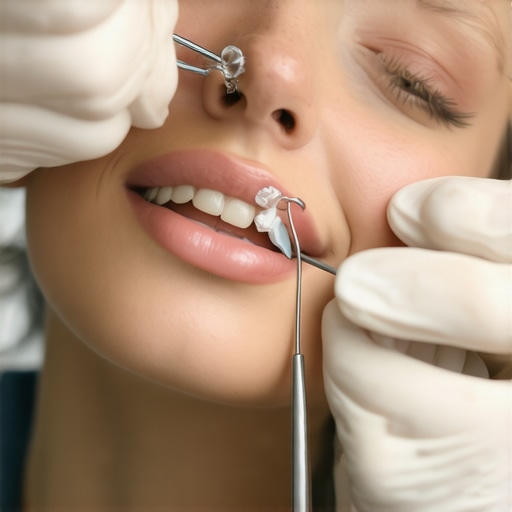
It happened suddenly—you’re savoring a meal, maybe something a little too sticky or crunchy, and suddenly, you feel that unsettling gap where your crown used to feel smooth. Panic sets in as you realize a piece of food is lodged beneath or around your dental crown. I remember the first time it happened to me; I felt helpless, almost like I was about to do more harm than good trying to remove it. But over the years, I’ve learned that patience and the right approach make all the difference.
Why Is Removing Food from a Crown Such a Big Deal?
Dental crowns are designed to mimic natural teeth and protect the underlying tooth structure. When food gets stuck, it can cause discomfort, bad breath, or even lead to decay if not handled properly. Many folks underestimate how delicate this situation is. Removing debris improperly can damage the crown, irritate your gums, or worse, dislodge the crown entirely. Protecting your investment and your oral health means understanding the gentle, effective methods to address this common issue.
The First Step: Stay Calm and Assess
Before panicking or trying aggressive removal methods, take a deep breath. Check the area visually—use a mirror to see if the food is visible and accessible. If you’re experiencing pain or bleeding, that’s a sign you should proceed with extra caution. Remember, rushing might do more harm than good. Proceeding thoughtfully ensures you won’t undermine your dental work or worsen any discomfort.
Have you faced this frustrating dilemma too? Don’t worry—you’re not alone, and there are proven methods to handle it safely. In the next sections, I’ll walk you through the steps that have worked for me and countless others, backed by dental experts. Plus, I’ll share some common mistakes to avoid, so you won’t accidentally damage your crown or gums. By mastering these simple techniques, you can tackle this problem confidently and keep your smile healthy and bright for years to come. And if you’re looking for more tips on maintaining your crowns and overall oral health, check out our comprehensive guides on maintaining your dental crowns and daily oral health routines. Now, let’s delve into the safe and gentle ways I’ve discovered to remove that stubborn piece of food without risking damage or unnecessary pain.
Gather Your Tools and Prepare
Start by assembling gentle tools like unwaxed dental floss, a soft-bristled toothbrush, and if available, a water flosser. I remember a time I used my regular floss and felt it give slightly under pressure—reminded me to always opt for gentle materials in this delicate situation. Avoid using toothpicks, pins, or anything sharp that could dislodge or damage your crown.
Loosen Food with Floss
Slide Carefully Under the Crown
Take a length of unwaxed floss and gently slide it between your gum and the crown, mimicking slipping a thin sash beneath a door. Do it slowly; resist the urge to yank. During my first attempt, I carefully worked the floss back and forth, feeling the food lift slightly without forcing. This technique breaks the surface tension and dislodges trapped debris without risking damage.
Use the Sawing Motion
With gentle back-and-forth motions, glide the floss around the sides of the crown. Think of it as sawing a piece of wood—steady and controlled. Do not snap or press down hard, as this can crack the porcelain or loosen the cement. This method is often enough to remove most lodged bits and helps prevent irritation or injury.
Clean the Area Thoroughly
After dislodging the food, rinse with warm water or use a water flosser. This flushes out any remaining fragments and soothes irritated gums. I found that a gentle spray from my water flosser helped clear out stubborn debris—just remember to keep the pressure low. Maintaining cleanliness reduces the risk of decay or gum disease around the crown.
Brush Gently to Remove Residual Particles
Follow up with a soft-bristled toothbrush to gently remove any surfaces with remaining debris. Brushing at a 45-degree angle ensures you don’t dislodge the crown or irritate the gums. During a particular evening, I used light, circular motions and noticed the crown felt a lot more comfortable afterward.
Assess and Avoid Harmful Practices
If food remains or discomfort persists, don’t try to force it out further. Never use sharp objects or excessive force—these are major risks that can harm the crown or your natural tooth. Remember, in some cases, stubborn food may require professional removal, especially if the debris is deeply lodged or the crown is loose.
Know When to Seek Professional Help
Persistent discomfort, swelling, or if the crown feels loose, indicate it’s time to contact your dentist. I learned this lesson the hard way when I tried to force out food and accidentally dislodged my crown slightly. A quick call to the dental practice kept minor issues from becoming major problems.
For ongoing tips on how to maintain your crowns and ensure their longevity, check out this guide. Regular professional cleanings and proper hygiene routines are your best defense against recurring issues.
Many individuals believe that brushing twice daily and visiting the dentist annually are sufficient for optimal oral health. However, this oversimplification overlooks critical nuances that can significantly impact long-term dental success. One common myth is that all dental cleanings are equal; in reality, targeted professional cleaning tailored to your unique needs can prevent more severe issues like gum disease or enamel erosion. For instance, routine plaque removal is essential, but understanding the role of advanced techniques like scaling and root planing reveals their importance in managing periodontal health.
An often-overlooked aspect is the proper maintenance of dental crowns. Many assume that once a crown is placed, little else is needed; however, improper cleaning or neglecting to assess the crown’s fit can lead to microleakage or decay beneath the restoration. This nuance emphasizes the importance of specialized care and regular checkups.
What’s the most advanced way to evaluate crown integrity without invasive procedures?
Using intraoral cameras and digital imaging allows dentists to detect even subtle changes that might indicate issues before they become symptomatic. A study published in the Journal of Prosthodontics highlights how such technologies improve early detection and prolong the lifespan of crowns and other restorations.
Additionally, many people underestimate the impact of oral health on overall wellness. Poor dental hygiene can contribute to systemic issues such as cardiovascular disease or diabetes complications. Regular professional cleanings combined with daily routines, including flossing and tongue scraping, form a holistic approach to health that extends beyond a bright smile. For evidence-based routines, see our guide on daily oral health routines recommended by experts.
Correctly addressing these misconceptions requires adopting a nuanced understanding of dental science. Don’t fall into the trap of thinking that superficial care suffices; instead, invest in comprehensive strategies that prioritize early detection and individualized care plans. Regular consultations with your dental provider can uncover hidden issues and optimize your family’s oral health journey.
Have you ever fallen into this trap? Let me know in the comments and share your experiences with expert dental care. For more insights on maintaining your smile’s health and functionality, explore our detailed articles on the role of crowns in smile makeovers and professional teeth cleaning benefits.
Investing in the Right Tools Makes All the Difference
Maintaining a healthy smile, especially when you have dental crowns, requires the right equipment coupled with proper technique. Over the years, I’ve tested various tools to find what truly works for long-term success. One device I swear by is the Waterpik Sonic-Fusion. It combines a water flosser with a rechargeable toothbrush, allowing thorough cleaning around crowns and bridges without applying excessive force, which can cause damage. Its customizable pressure settings let me gently dislodge food debris and plaque, ensuring my restorations stay secure and my gums healthy.
Equally important is using high-quality, soft-bristled toothbrushes. I prefer the Philips Sonicare ProtectiveClean series because of its sonic technology that generates millions of gentle vibrations per minute. This sonic action penetrates hard-to-reach areas, cleaning beneath the crown margins and along the gumline without abrasion. The built-in pressure sensor alerts me if I press too hard, preventing potential damage to sensitive areas around the crown.
For those who want to deepen their maintenance routine, an intraoral camera like the DEXISE intraoral USB camera has become invaluable. It allows me to visually assess the health of my crowns and check for issues like marginal decay or gum recession—something regular mirrors cannot reveal. Regular self-inspections with this device catch problems early, saving time and money in the long run.
Embracing Digital Solutions for Better Results
Software also plays a role in my ongoing dental care. I utilize dental health apps like Philips Sonicare’s app, which tracks brushing habits and reminds me when it’s time for a professional cleaning. These digital tools foster consistency and help me identify areas where I might otherwise neglect, such as flossing around crowns or cleaning the tongue. Consistent use of such apps enhances my routine and is a trend I believe will continue to evolve, incorporating AI-driven personalized recommendations in the future.
Prediction for the future points toward smarter, AI-integrated dental devices that analyze your oral health in real time, providing immediate feedback and tailored tips. Staying ahead of issues before they develop not only preserves crowns but boosts overall wellness, reducing systemic health risks associated with poor oral hygiene.
How do I maintain my crowns and oral health over time?
Routine professional cleanings are vital, but supplementing them with advanced home equipment ensures consistent results. Remember, the goal isn’t just cleaning — it’s protecting your investment and ensuring your oral health is optimized. Regularly updating your tools and techniques is key, so I encourage you to try devices like the Waterpik Sonic-Fusion or a quality sonic toothbrush to see noticeable improvements.
Also, don’t forget to refer to our comprehensive guide on maintaining your dental crowns for detailed tips on how to keep your restorations in pristine condition over the years.
If you’re ready to elevate your dental routine, I suggest trying a water flosser with adjustable pressure settings. It’s a game-changer for cleaning around crowns and bridges, especially in hard-to-reach spots. Regular use of such tools can significantly reduce the risk of decay and prolong the lifespan of your dental work.
Final Thoughts
As technology advances, so does our ability to maintain oral health more effectively. Equip yourself with the right tools, stay consistent, and consult your dentist periodically to ensure everything remains in optimal shape. Remember, an investment in quality tools today pays off in a lifetime of healthy, confident smiles. For more insights, explore our dedicated articles on expert advice on crowns and teeth cleaning and personalize your approach to maintaining your dental health.
What I Wish Someone Told Me Before My First Crown Incident
Experiencing a crown mishap was my wake-up call. It revealed that the real learning often comes through small, unexpected lessons—like how even simple food can pose risks if not handled properly. Over time, I realized that patience, combined with a gentle approach, is what truly makes the difference in preventing damage or discomfort.
Tools That Turn Frustration Into Confidence
After much trial and error, I found that having the right tools—soft floss, a water flosser, and a soft toothbrush—transformed my routine. These aren’t just gadgets; they’re allies that protect your investment. Trust me, investing in quality tools has saved me countless trips to the dentist and preserved my smile’s integrity.
The Power of Mindful Technique Over Force
Gentle, deliberate movements—like sliding floss carefully or using a water flosser on low pressure—build confidence. Rushing or using sharp objects is tempting but can undo years of work in seconds. Patience and precision are your best friends in maintaining crown health and preventing further complications.
Learning When to Call in Reinforcements
Even with the best techniques, some issues require professional attention. Persisting discomfort or a loose crown isn’t something to overlook. Recognizing your limits and consulting your dentist early often saves time, money, and your peace of mind.
Beyond Basic Care: Embracing Technology for Lasting Results
Modern dental advances, like intraoral cameras and digital diagnostics, are game-changers—they enable early detection of potential issues before they become painful or costly. Incorporating these technologies into my routine gave me a proactive edge, ensuring my crowns function perfectly for years. For tailored advice, check out our article on the role of crowns in smile transformation.
Some Lessons That Took a Fall or Two to Learn
- Never underestimate the importance of a gentle touch—your gums and crowns both thank you.
- High-quality tools aren’t an expense—they’re an investment in your dental future.
- Consistency beats intensity—regular, light cleaning preserves crowns far better than occasional scrubbing.
- Seek professional help sooner rather than later—early intervention can prevent bigger problems.
Tool Up: My Personal Favorites for Crown Care
From a trusted water flosser like the Waterpik Sonic-Fusion to a quality sonic toothbrush like Philips Sonicare, these tools have become essential in my routine. They allow for gentle cleaning around crowns, ensuring debris doesn’t turn into decay. For a comprehensive strategy, explore our guide on maintaining your dental crowns.
Think Ahead: Embrace Smarter Dental Care
The future of crown preservation lies in digital health tracking and smart devices. These innovations help monitor your oral health, remind you of routine care, and catch issues early. Making these part of your routine isn’t just smart—it’s essential for long-term success.
Keep Moving Forward—Your Bright Smile Awaits
Remember, good dental habits extend beyond just cleaning—invest in quality tools, stay informed, and seek professional guidance when needed. Your crown is a small part of a larger, lifelong journey toward health and confidence. For more insights on how to keep your smile shining, explore our articles on expert advice on crowns and teeth cleaning.