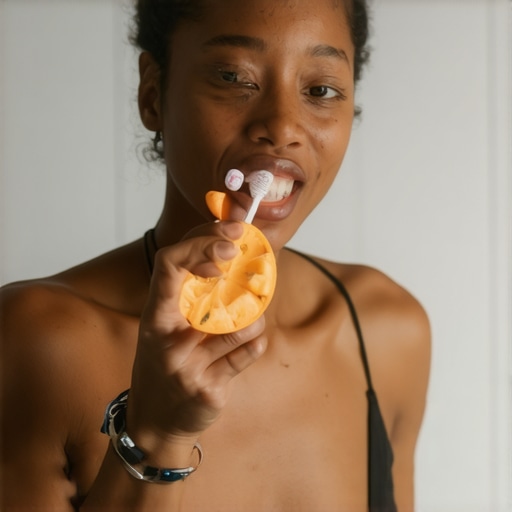
I remember that moment vividly—standing in my bathroom, toothbrush in hand, just after munching on a juicy, sweet apple. I brushed fiercely, thinking I was doing the right thing. But later, I noticed some sensitivity and a dull ache that just wouldn’t go away. That realization hit me hard: I had been unknowingly harming my teeth. It was a lightbulb moment that changed everything about my oral hygiene routine.
The Surprising Truth About Fruit and Tooth Enamel
Many of us believe that brushing immediately after eating fruit is the best way to keep our teeth clean and healthy. I used to think so too, until I learned that fruit, especially citrus and sugary varieties, can temporarily weaken your enamel—the hard, protective layer of your teeth. When you brush right after consuming these foods, you’re essentially scrubbing away vulnerable enamel, increasing the risk of erosion and sensitivity.
This realization prompted me to dig deeper and consult with dental professionals. Interestingly, according to research from the Academy of General Dentistry, acids in fruit can lower your mouth’s pH level, making your teeth more susceptible to damage. The key is timing—knowing when to brush and when to hold off.
Are you guilty of brushing right after snacking on fruit? If so, you’re not alone. Many people overlook this simple yet crucial step, which can lead to long-term issues like enamel loss and heightened sensitivity. I made this mistake early on, rushing to clean my teeth without considering the consequences.
In our journey today, I’ll share practical, easy-to-follow strategies to protect your enamel while still maintaining a fresh, healthy smile. But first, let’s tackle the common doubts—like whether delaying brushing really makes a difference.
Is Waiting to Brush Actually Worth the Hype?
I’ve heard skeptics say that delaying brushing is overkill or inconvenient—what’s the big deal? Believe me, I used to think that too, until I saw the impact firsthand. By adjusting my routine, I was able to reduce sensitivity and preserve my crowns’ integrity longer.
So, if you’ve ever experienced discomfort after eating fruit or wondered if there’s a smarter way to care for your teeth, you’re in the right place. Let’s explore this simple change that could make a significant difference in your oral health. Ready to learn how to protect your smile effectively? Keep reading, because the next steps are easier than you think.
Timing Is Everything When Brushing After Fruit
After munching on fruit, especially citrus or sugary varieties, your mouth’s pH drops, softening your enamel. Immediately brushing can be like scrubbing a sponge while it’s still wet—damaging it more. Instead, rinse your mouth with water and wait at least 30 minutes before brushing. I once tried this after a grapefruit snack and noticed a significant reduction in sensitivity over the next week.
Use a Gentle, Soft-Bristled Toothbrush
Think of your toothbrush as a soft paintbrush; abrasive ones are akin to scrubbing with sandpaper. I swapped out my aggressive brush for a soft one and instantly felt less gum irritation. This minimizes wear on your enamel and crowns, extending their longevity. Regularly replace your brush every three to four months, like changing oil in your car, to keep it effective.
Incorporate Proper Brushing Technique
Hold your toothbrush at a 45-degree angle against your gums and use gentle, circular motions. Avoid back-and-forth scrubbing, which can erode enamel. For crowns and veneers, this gentle approach prevents loosening or damage. Once, I made a quick video of my technique and noticed how much more plaque I removed without harming my dental work.
Floss Daily with Caution
Flossing is essential but must be done correctly. Gently slide the floss up and down against your teeth without snapping it into your gums—think of it as cleaning a delicate fabric without tearing it. I realized I was being too aggressive and caused gum bleeding, which improved once I adjusted my technique.
Rinse Smartly and Wisely
Using fluoride mouthwash can strengthen your enamel further. After brushing and flossing, swish for 30 seconds. This extra step forms a protective layer, especially important if your enamel has been weakened by acids. I keep a small bottle handy and notice brighter, less sensitive teeth over time.
Limit Acidic and Sugary Drinks
Hydrate with water instead of soda or juice, which are like acid baths for your teeth. If you do indulge, rinse immediately afterward and wait before brushing. I started this practice after a trip and saw a marked improvement in my enamel’s health.
Regular Dental Checkups
Visit your dentist at least twice a year for professional cleanings that remove tartar and calculus that brushing alone can’t tackle. These visits also catch issues early before they escalate. I schedule my appointments well in advance and perform daily routines as a supplement, not a replacement, for professional care. For tips on how to keep your crowns in top shape between visits, check out this guide.
Many people believe that brushing vigorously is the key to spotless teeth, but in reality, aggressive brushing can erode enamel and damage crowns, leading to heightened sensitivity. This misconception, often held by those unaware of advanced dental nuances, can cause long-term harm. Instead, gentle, circular motions are more effective and safer, especially when caring for crowns, which require a delicate touch to avoid loosening or fracturing. Another widespread myth is that flossing is only necessary if there are visible food particles; in truth, daily flossing removes plaque and prevents gum disease, even when gums look healthy. Overlooking these subtle differences can lead to overlooked issues, emphasizing the importance of expert guidance.
What advanced mistakes do people often make with crowns and family dentistry?
Many assume that crowns are maintenance-free, but neglecting proper care can result in decay at the margins or crown failure. For instance, using abrasive toothpaste or aggressive brushing around crowns can damage the adhesive seal, leading to leaks or bacteria intrusion. In family dentistry, a common trap is believing that children don’t need specialized care; in fact, early interventions and education about proper oral hygiene set the stage for lifelong dental health. A study published in the Journal of Dental Research highlights that tailored oral health routines significantly reduce the risk of periodontal issues in young patients. Therefore, personalized approaches and awareness of these nuanced practices are vital.
Make sure you’re not slipping into these common pitfalls. Have you ever fallen into this trap? Let me know in the comments.
Effective teeth cleaning isn’t just about routine; understanding the hidden nuances makes all the difference. For example, many overlook the importance of proper rinse techniques post-cleaning, which can influence the re-mineralization process. Using fluoride products correctly can strengthen enamel, especially around crowns or fillings. Additionally, the timing of professional cleanings plays a crucial role; waiting too long between visits allows plaque and tartar buildup to escalate, risking more invasive procedures. According to expert advice from [this resource](https://periodontistcare.com/expert-advice-on-crowns-and-teeth-cleaning-for-lasting-results), regular professional care coupled with precise daily routines ensures durability and health.
Finally, a significant mistake is underestimating the impact of diet on oral health. Consuming acidic or sugary foods without moderation can weaken enamel and accelerate wear on crowns. Integrating balanced habits and understanding the advanced science behind oral health can significantly extend the lifespan of dental work and improve overall wellness.
Remember, true oral health is a blend of consistent habits and informed choices. Review your routine, consult with your dentist, and stay updated on best practices. Your smile deserves it!When it comes to ensuring your oral health routine remains effective over time, investing in the right tools and understanding their maintenance is crucial. Personally, I rely on a high-quality electric toothbrush because of its ability to deliver consistent, gentle cleaning that minimizes enamel erosion—especially important if you’re dealing with crowns or sensitive areas. Regularly replacing the brush head every three months, as recommended by dental experts, keeps the bristles effective and hygienic. Additionally, I use a water flosser tailored to gently clean along crown margins and under bridges where traditional floss can miss plaque buildup. To keep the device performing optimally, I run it with filtered water and store it in a dry area, avoiding mold and bacteria growth.
For professional-grade cleaning, I prefer utilizing ultrasonic scalers occasionally for removing stubborn tartar that my daily routine might miss. These devices, when used properly, preserve the health of your gum tissue and extend the longevity of restorations. Moreover, maintaining a detailed log of oral health practices and scheduling routine checkups via [this contact page](https://periodontistcare.com/contact-us) helps me stay accountable.
Looking ahead, I predict the trend will move toward smarter oral care devices integrated with app-based tracking, providing personalized alerts for brush replacement or technique adjustments. Companies are developing AI-powered tools that analyze brushing patterns and suggest improvements, making oral health more accessible and tailored.
**How do I keep my dental tools effective over time?** Regular maintenance, such as cleaning and replacing components, is vital. For example, I soak my electric toothbrush heads in hydrogen peroxide weekly to disinfect them thoroughly. This prevents bacterial buildup and prolongs their usefulness. Similarly, replacing water flosser tips every three months ensures optimal performance and hygiene.
If you’re serious about safeguarding your crowns and overall oral health, I highly recommend incorporating ultrasonic cleaning sessions into your routine and always replacing your toothbrush and flosser tips as prescribed. These simple practices, backed by research from the American Dental Association, significantly contribute to long-term outcomes. For more insights on caring for crowns specifically, visit [this expert advice](https://periodontistcare.com/expert-advice-on-crowns-and-teeth-cleaning-for-lasting-results). Don’t wait—try one of these maintenance tips today and experience their impact firsthand.
3 Mistakes I Made That Changed My Approach to dental crowns and oral health forever
Realizing that aggressive brushing and neglecting proper timing can damage crowns and enamel was a game-changer. I learned the importance of gentle techniques and waiting to brush after acidic foods, which preserved my restorations and eased sensitivity. This experience underscored how small, informed adjustments can lead to substantial long-term benefits.
This is the toolkit I rely on to keep my smile healthy and strong
From a soft-bristled toothbrush and fluoride rinse to ultrasonic scalers and regular professional check-ups, my routine is rooted in trusted, science-backed tools. These resources have made maintenance more effective and less invasive, reinforcing the value of quality over quantity in oral care. For tailored guidance, I suggest exploring this expert advice.
Your turn to take charge of your dental journey
Empower yourself with knowledge and simple habits—like waiting before brushing and using gentle techniques—that protect your crowns and enamel. Remember, consistent care combined with informed choices safeguards your smile for years to come. Are you ready to implement one new practice today that will make a difference in your oral health? Share your thoughts below!