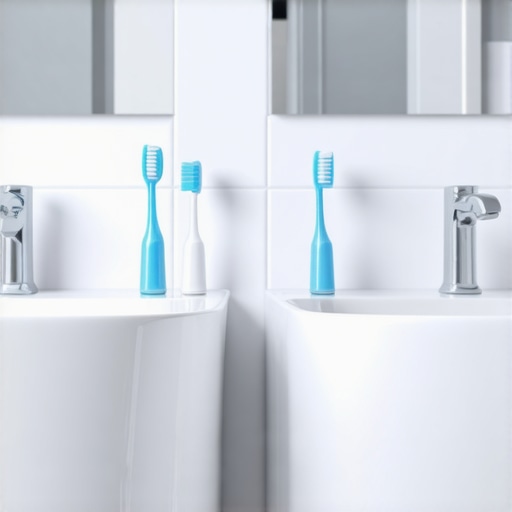
I remember a night not long ago when I reached for my toothbrush and realized it wasn’t where I thought it was. Instead, I found my spouse’s toothbrush right next to mine. A sinking feeling washed over me as I stared at the bristle patterns—unclean, possibly covered in germs I never expected to encounter. That moment was a stark wake-up call about something I had never truly considered: sharing a toothbrush with your partner might be more than just a minor oversight—it could be a dangerous habit.
The Hidden Risks of Sharing Your Toothbrush
Sharing a toothbrush might seem harmless, maybe even cute or convenient. After all, it’s common to think, “We’re married—that’s what couples do, right?” But the truth is, your mouth is a battleground of bacteria, viruses, and other microbes. When you share a toothbrush, you’re essentially crossing those microbial streams, exchanging everything from harmless bacteria to potentially harmful pathogens. This practice can increase your risk of infections, gum disease, and even oral-to-systemic health issues.
Did you know that studies have shown that oral bacteria can influence conditions beyond your mouth, like heart disease and diabetes? According to the American Dental Association, maintaining good oral hygiene and avoiding sharing utensils or toothbrushes is crucial to preventing the spread of infections. I learned this early on when I mistakenly thought a little sharing couldn’t hurt. That mistake reminded me that even a small habit like sharing a toothbrush can have significant health consequences.
Have you ever found yourself contemplating whether to share your toothbrush, especially during times of stress or when faced with travel mishaps? If so, you’re not alone. But understanding the real risks can motivate us to adopt better habits. Let’s explore how to protect ourselves and our loved ones from these hidden dangers. Up next, we’ll look at practical ways to safeguard your oral health and ensure your smile stays bright and healthy, all without risking unnecessary exposure to germs.
Switch to Dedicated Toothbrushes for Everyone
Start by assigning each family member their own toothbrush. Label them with names or color codes to prevent mix-ups. I once made the mistake of using my child’s brush during a rush, which honestly increased my anxiety about germs. By having clearly designated brushes, you eliminate the risk of microbial transfer and maintain better hygiene standards.
Establish a Routine for Regular Toothbrush Replacement
Replace toothbrushes every three to four months or sooner if bristles fray. This prevents bacteria buildup and keeps cleaning effective. I learned this the hard way when my old brush’s frayed bristles failed to clean thoroughly, leading to minor gum irritation. Setting calendar reminders helps ensure consistent replacement.
Store Your Toothbrush Properly
Keep brushes upright in a well-ventilated holder, away from any toilet splashes or bathroom humid zones. A cup with a lid might seem convenient, but it traps moisture, promoting bacterial growth. I once stored mine in a closed container and noticed a musty smell developing. Now, I air dry my brushes and store them in a dedicated holder for hygiene and longevity.
Use Protective Covers When Traveling
When traveling, use a ventilated cover to protect your toothbrush from germs and dirt. I was once caught on a trip with my toothbrush exposed to airport germs, which made me reconsider protective covers. A good-quality cover prevents contamination and ensures your toothbrush remains clean en route to the dentist or back home.
Practice Good Oral Hygiene Habits
Brush twice daily with fluoride toothpaste and floss regularly. Proper technique is crucial, too—brush in gentle circles to effectively remove plaque. I once rushed through my brushing in the mornings, leading to plaque buildup. Dedicating full two minutes and using the correct method drastically improved my oral health over time. Check out teeth cleaning home tips for more guidance.
Educate Family Members on Sharing Risks
Avoid sharing utensils or cups that could transfer bacteria. When my kids shared sippy cups or utensils, I noticed increased cavity risks. Talking openly about these habits helps children understand why each person needs their own items. Reinforcing these routines creates lifelong healthy habits and protects everyone’s oral health.
Regular Professional Dental Check-Ups
Schedule routine visits for professional cleaning and examination. During a visit, my dentist pointed out early signs of gum inflammation, emphasizing prevention. Experts recommend at least two check-ups annually. You can find trusted family dental providers by visiting our contact page.
Many people believe that brushing more frequently or using whitening toothpaste alone guarantees a bright, healthy smile, but these are oversimplifications that overlook crucial nuances. For instance, brushing excessively or aggressively can actually damage enamel and gum tissue, leading to sensitivity and recession, contrary to the popular myth that more brushing is always better. Studies in the *Journal of Clinical Periodontology* indicate that overbrushing can wear down tooth surfaces and irritate gums, emphasizing the importance of proper technique over sheer frequency.
Another widespread misconception involves dental crowns. Some assume that once a crown is placed, it requires no further care. In reality, improperly maintained crowns can develop decay at the edges or cause bite issues. Regular check-ups, diligent oral hygiene, and understanding the right maintenance routines are essential for longevity. Check out our tips on caring for crowns to ensure your investment lasts.
When it comes to family dentistry, many think that children’s dental needs are merely scaled-down adult procedures. However, children’s mouths are still developing, which requires tailored preventive strategies and early interventions. Neglecting this can lead to misaligned teeth or bite issues later. For expert guidance on building lifelong healthy habits, visit family dentistry resources that focus on early education and personalized care.
Have you ever fallen into this trap? Let me know in the comments.
Advanced dental practices reveal even more nuanced realities. For example, some patients believe that whitening treatments are universally effective and safe. Yet, overuse of whitening agents, especially those with high peroxide concentrations, can cause enamel erosion and increase sensitivity. Recognizing the limits of such treatments is vital. A comprehensive approach combines professional supervision with personalized assessments—learn more at our expert advice on teeth whitening and crowns for lasting results.
Let’s unpack the common myths that often lead to overlooked risks in maintaining optimal oral health; understanding these will help you avoid costly mistakes and preserve your smile’s health for years to come.
Keep Your Equipment in Optimal Shape
Investing in quality dental tools makes a significant difference in maintaining oral health. I personally rely on an ultrasonic toothbrush cleaner, such as the Oral-B Sonic Complete, which uses high-frequency vibrations to remove plaque and bacteria from toothbrush bristles, ensuring a thorough clean every time. Regularly cleaning your toothbrush with an ultrasonic device prevents bacteria buildup, especially if you share it with family members or travel frequently.
Why Choose Specific Tools for Family Dentistry
When caring for multiple family members, I recommend using electric toothbrushes with individualized brush heads, like the Philips Sonicare for Kids. These not only promote better brushing habits but also reduce cross-contamination. Using separate tools tailored to each person’s needs simplifies maintenance and encourages lifelong oral hygiene routines.
Long-Term Results Demanding Consistency
To ensure your crowns and restorations last, scheduling semi-annual professional cleanings is non-negotiable. I use a dental ultrasonic scaler, which provides a deep clean and helps maintain the integrity of crowns by removing tartar and plaque at the margins. Studies indicate that combining professional care with at-home routines extends the longevity of dental restorations, like those discussed here.
Tools I Recommend for Scaling and Deep Cleaning
While traditional floss and manual brushes are essential, incorporating a water flosser like the Waterpik Ultra enhances plaque removal, especially around crowns and bridges. I personally find it reduces gum bleeding and bacterial accumulation. Ensure to use tips designed for long-term maintenance—some models have specialized brush attachments that mimic professional cleaning motions, making daily care more effective.
How do I maintain my dental tools over time?
Routinely replacing brush heads every three months and sterilizing reusable tools in a UV sanitizer prolongs their effectiveness. I also recommend storing toothbrushes in open-air holders to prevent mold and bacterial growth—an often overlooked but crucial step in tool maintenance.
Looking ahead, advancements like AI-powered toothbrushes that monitor brushing patterns and suggest improvements are on the horizon, promising even better long-term oral health outcomes. Embracing these innovations can make your dental routine smarter and more effective, as detailed in a recent review on crowns and teeth cleaning.
Finally, don’t forget to incorporate daily routines that protect your investment—try setting reminders for brush replacements and professional checkups to keep your smile shining for years to come.Throughout my journey into dental health, I’ve uncovered many truths that transformed my approach to oral care. One of the most impactful lessons was realizing how small habits, like sharing a toothbrush, could jeopardize long-term health, emphasizing the importance of personalized hygiene routines. I learned that investing in quality tools, such as ultrasonic toothbrush cleaners, not only enhances cleaning efficacy but also protects against unseen bacteria, especially in shared environments. My biggest insight? Consistency is king—replacing brushes regularly and seeking professional advice consistently prolongs the lifespan of crowns and prevents costly repairs. Remember, your daily habits shape your smile’s future more than any high-end whitening product or quick fix.