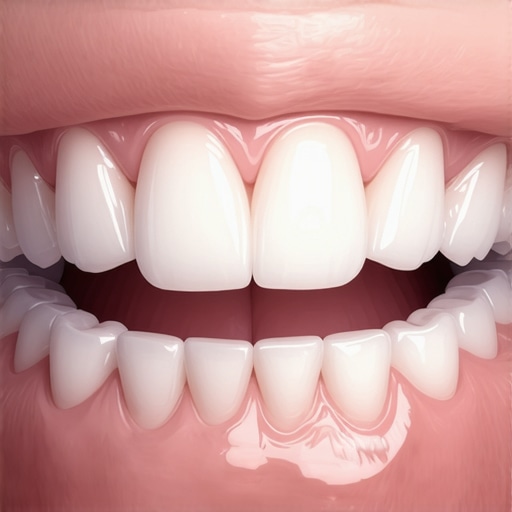
I still remember the moment vividly—my mirror reflecting a stubborn yellowish hue along my gumline, despite what I thought was diligent brushing. That sigh of frustration hit hard because, honestly, I didn’t understand why tartar kept forming there, no matter how much I cleaned. It was a lightbulb moment for me—I realized that tartar buildup isn’t just about bad habits but also about unique factors within our mouths.
Unraveling the Mystery of Tartar Formation
It turns out, some people are naturally more prone to tartar accumulation. Their saliva composition, oral pH levels, and even genetic factors can create the perfect environment for plaque hardening into tartar faster than others. Knowing this was a game-changer; it made me realize that a one-size-fits-all approach to oral care isn’t effective. If you’ve noticed stubborn deposits that refuse to budge, despite your best efforts, you’re not alone—and there might be underlying reasons that are out of your control.
My early mistake was assuming that regular brushing and flossing would handle everything. Sure, they help, but they can’t reach every nook and cranny, especially if your saliva chemistry favors tartar formation. That’s why professional cleanings and tailored oral hygiene strategies matter so much. Studies have shown that individuals with certain saliva compositions are more susceptible, highlighting the importance of personalized dental care (source). And I learned this the hard way—skipping routine check-ups only made my problem worse.
Is Tartar Buildup Actually Worth the Hype?
At first, I dismissed tartar as a mere cosmetic issue. But the reality is, if left untreated, it can lead to gum inflammation, cavities, and even periodontal disease. This realization prompted me to seek expert advice, and I found that regular professional cleanings are the most effective way to manage stubborn tartar. If you’re wondering whether tackling tartar is worth the effort, I can tell you from personal experience: it’s absolutely essential for preserving your overall oral health.
So, have you ever faced persistent tartar deposits that just won’t go away? If so, know you’re not alone—and the good news is there are effective strategies tailored to your specific needs. Next, let’s dive into practical steps that can help you keep tartar at bay and protect your smile for years to come.
Master Your Daily Oral Hygiene Routine
Begin with brushing twice daily using a soft-bristled toothbrush, focusing on all surfaces of your teeth, especially along the gumline. Incorporate a fluoride toothpaste to strengthen enamel and prevent plaque formation. Remember, a good routine is like tending a garden—consistent care keeps unwanted weeds at bay.
Use Proper Brushing Techniques
Angle your toothbrush at 45 degrees toward your gums and use gentle, circular motions. Avoid harsh scrubbing, which can irritate gums and damage enamel. I once rushed through my brushing, missing tricky spots; switching to a timer helped me ensure I brushed thoroughly for two minutes.
Enhance Cleaning with Flossing and Mouthwash
Floss daily to remove plaque and food particles trapped between teeth. Flossing disrupts the bacteria fortress that loves to hide where brushes can’t reach, much like clearing a hidden corner in your house. Follow with an antimicrobial mouthwash to reduce bacteria levels, giving your mouth an extra layer of defense against tartar.
Target Problem Areas with Specialized Tools
If certain spots, like behind molars, are prone to tartar, consider using interdental brushes or water flossers. These tools act like power washers for your teeth, reaching places strings and regular floss might miss. I personally incorporated a water flosser into my routine, which made a noticeable difference in stubborn deposits.
Seek Professional Cleanings Regularly
Scheduled dental visits are essential, especially if you have a history of tartar buildup. Professional cleanings, or scaling, remove hardened tartar that can’t be eliminated at home. Think of it as giving your teeth a spa day—professional tools gently lift away years of deposits, restoring fresh smoothness. I schedule cleanings every six months; it’s a small investment for long-term oral health.
Discuss Personalized Prevention Strategies
Your dentist might recommend specific treatments or products based on your saliva chemistry and genetic predispositions. For example, high saliva phosphate levels can boost tartar formation; tailored advice can help you adjust your diet or hygiene habits accordingly. Remember, your mouth is unique, and so should be your care plan.
Adopt Dietary and Lifestyle Habits That Support Oral Health
Limit acidic foods and sugary snacks, which fuel bacteria that produce plaque. Drinking water after meals rinses away residual sugars and neutralizes acids, helping maintain a balanced oral environment. I made a conscious effort to drink more water during meals, noticing reduced plaque buildup over time.
Avoid Habits That Accelerate Tartar Formation
Smoking and chewing tobacco can dry out your mouth and promote tartar growth. Addressing these habits not only benefits your teeth but also your overall health. Quitting was tough for me, but with support and awareness, I gradually reduced my tobacco use, seeing positive changes in my oral condition.
Stay Consistent and Vigilant
Consistency is your best ally. Make brushing, flossing, and professional visits a non-negotiable part of your routine. Keep an eye on areas prone to tartar, and if stubborn deposits persist, consult your dentist about specific treatments or preventive products. A proactive approach can save your teeth from more invasive procedures later on.
By embracing these actionable steps, you take control of your oral health—much like maintaining a well-tuned instrument, every small effort counts towards a healthier, brighter smile. Remember, managing tartar is a continuous journey, but with each diligent act, you’re building a stronger foundation for lifelong dental wellness.
While many believe that regular brushing and flossing are enough to maintain optimal oral health, there are nuances that often go unnoticed even by diligent patients. One common myth is that professional cleanings are only necessary if you have noticeable plaque or tartar buildup. In reality, routine professional cleanings help prevent the early stages of gum disease and maintain the overall health of your mouth, not just cosmetic appearance. Skipping these visits can lead to hidden issues like periodontal pockets forming silently, which are much harder to treat later (source).Maintaining your oral health effectively requires the right equipment and consistent routines. Over the years, I’ve discovered that investing in high-quality tools can make all the difference in simplifying daily care and ensuring long-term results. One product I swear by is the **Water Flosser**—specifically, the **Oral-B Water Floss Pro**. Its pulsating stream not only reaches areas traditional floss can miss but also helps dislodge plaque from tricky spots, especially around crowns and braces. Personally, I use mine daily after brushing, and the improvement in gum health has been noticeable. Additionally, I rely on the **Electric Toothbrush**—the **Philips Sonicare DiamondClean**—because its sonic vibrations deliver micro-bubbles that effectively break down plaque and reduce bacteria. The built-in timers encourage me to brush for the full two minutes, ensuring thorough coverage. In my routine, I incorporate **Interdental Brushes** like **TePe Supreme** for cleaning around dental work or in hard-to-reach gaps, which regular floss sometimes misses. These small but powerful tools help prevent tartar buildup between cleanings. When it comes to maintaining crowns or veneers, I focus on using **pH-balanced Mouthwashes** such as **Crest Pro-Health** to reinforce enamel and minimize sensitivity, especially after long-term use of whitening products. Choosing the right tools is just part of the equation; incorporating them into a disciplined routine is what yields lasting benefits. I recommend trying the **Water Flosser** if you haven’t already—it’s a game-changer for stubborn areas and can prevent many issues before they start. Looking ahead, I predict the integration of AI-enabled oral health devices will become mainstream, offering personalized care tips and monitoring your plaque levels remotely, much like existing health wearables. To stay ahead, consider exploring current advancements in smart dental tools to enhance your routine further. Remember, consistency is key, so establishing a reliable regimen with these tools sets the foundation for a healthy, confident smile. For comprehensive guidance on maintaining crowns and ensuring their longevity, check out [this detailed article](https://periodontistcare.com/caring-for-crowns-essential-tips-for-longevity-and-shine). Do yourself a favor—try introducing a Water Flosser into your daily routine today and experience the difference it can make.
The Unexpected Lessons from My Oral Care Journey
One of the most eye-opening realizations I had was how deeply personalized dental health truly is. I used to believe that brushing twice a day and flossing were enough—until stubborn tartar refused to budge. That stubborn deposit taught me that factors like saliva composition and genetics play significant roles, reminding me that a tailored approach makes all the difference. It wasn’t until I embraced professional cleanings and personalized strategies that I saw real progress, highlighting the importance of consulting with your dentist about what works best for your unique mouth.
Another lesson was the misconception that professional cleanings are merely cosmetic. In reality, skipping routine visits can silently lead to gum disease and more complex issues. Regular professional cleanings are like maintenance for your smile—preventive care that saves you from costly repairs down the line. This understanding pushed me to prioritize consistent dental visits, which has maintained my oral health far better than reactive care ever could.
Tools and Techniques That Transformed My Routine
Investing in high-quality tools has been a game-changer. A water flosser like the Water Flosser helps reach those tricky spots and prevents tartar buildup in hard-to-access areas. Pairing this with an electric toothbrush, such as the Sonicare DiamondClean, ensures thorough cleaning and micro-bubble plaque disruption. Incorporating interdental brushes like TePe Supreme further strengthens my defense against tartar, especially around crowns and bridges. These tools work synergistically, making my daily routine more effective and less time-consuming.
Looking ahead, I keep an eye on emerging smart dental devices that personalize oral health monitoring. Imagine devices that track plaque levels and provide real-time feedback—this is where future innovations are heading. Staying proactive with such technology will ensure your smile remains healthy and radiant for years to come.
Igniting Your Drive to Keep That Smile Bright
Your journey to a healthier, brighter smile is within your hands. Every small effort—be it mindful flossing, choosing the right tools, or scheduling regular check-ups—builds a foundation for lifelong oral wellness. Remember, managing tartar and maintaining oral health isn’t a one-time task but a continuous commitment. Embrace these insights, and you’ll be well on your way to a confident, gorgeous smile that reflects your true health and vitality.