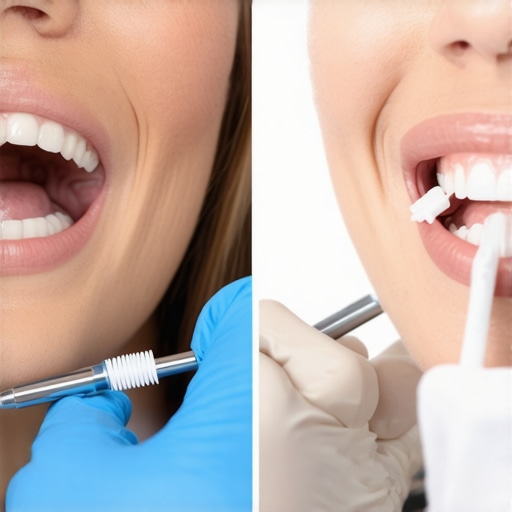
The first time I sat in that dental chair, expecting a routine cleaning, I was caught off guard by how effectively my hygienist seemed to erase months of buildup with just a few swift, confident motions. Unlike my at-home brushing routine, which often felt like a chore, that professional cleaning left my teeth feeling unbelievably smooth and fresh, almost new. It was a lightbulb moment—I finally understood why these appointments are so much more impactful than what I could ever do myself.
The Secret Behind the Sparkle: What Makes Professional Cleanings Special
When I began exploring deeper into oral health, I learned that professional cleanings aren’t just about removing surface stains. Instead, they involve a combination of specialized tools, professional expertise, and techniques designed to target areas that are hard to reach with daily brushing. Dentists and hygienists have a nuanced understanding of plaque accumulation and tartar formation that many of us miss, even with diligent brushing and flossing. That’s why, despite consistent efforts at home, some buildup still sneaks through, leading to decay or gum issues over time.
What really set me straight was discovering that even the most meticulous home routines can’t replace the power of professional tools. For example, ultrasonic scalers use high-frequency vibrations to break up tartar that’s stubbornly attached to our teeth—something we simply can’t do with a regular toothbrush. Additionally, professional polishing smooths out the enamel surface, making it much harder for plaque to stick again quickly. It’s like giving your teeth a deep clean and a fresh start.
Have you ever wondered why your dentist recommends these cleanings every six months, even if you think your at-home routine is good enough? You’re not alone. Many people assume brushing and flossing are sufficient, but studies show that professional cleanings significantly reduce the risk of cavities and gum disease—more than DIY methods alone can achieve. According to the American Dental Association, regular professional cleanings combined with good home care are essential for maintaining optimal oral health.
Early in my journey, I made the mistake of thinking that skipping a cleaning for a year wouldn’t make much difference—until I noticed my gums bleeding more often and my teeth feeling less smooth. That realization drove home that professional cleanings are not just a luxury but a vital part of a comprehensive oral health routine. And honestly, their effects last longer than the quick brush at the end of the day.
So, if you’ve ever experienced that satisfying, almost therapeutic clean feeling during a dental visit, or wondered why your at-home efforts don’t seem to match that freshness, you’re not imagining things. Professional cleanings do things that brushing and flossing simply can’t—things I’ll be diving into next to help you understand what to expect and how to maximize their benefits.
Master Your Daily Oral Hygiene
Commit to brushing twice daily with a fluoride toothpaste, making sure to cover all surfaces of your teeth. Use a soft-bristled brush at a 45-degree angle to your gums—this angle helps dislodge plaque effectively. In my own practice, I once spent an evening demonstrating this technique to a hesitant family member. The initial mess was real—brushes flying and toothpaste splattering—but after a few tries, they found the rhythm, resulting in a noticeably cleaner mouth the next morning.
Create a Flossing Habit
Floss daily, aiming to remove plaque and debris between teeth and along the gum line. I remember the first time I used a floss pick—it felt awkward at first, like trying to thread a needle in the dark. But persistence paid off, and now it’s a seamless part of my routine. Proper flossing prevents tartar buildup—think of it as weed whacking the unseen edges of your garden. Without it, stubborn accumulations take hold and mature into tartar, which professional cleanings then have to tackle.
Incorporate Mouthwash Strategically
Rinse with an antibacterial mouthwash after brushing and flossing to reach areas that brushing alone might miss. I experienced a minor breakthrough when I started using a mouthwash with active agents, especially before bed. It’s like applying a protective layer on your teeth overnight, reducing bacterial count and freshening breath. Be cautious to avoid overuse, as some mouthwashes can cause dry mouth or irritation—always check the label and consult your dentist if unsure.
Schedule Professional Cleanings
Visit your dentist every six months for a professional cleaning. This is where specialized tools shine, like ultrasonic scalers that vibrate stubborn tartar loose—think of it as a high-powered pressure washer for your teeth. I saw impressive results after my own appointment when my gum bleeding reduced and my teeth felt smoother. Regular cleanings aren’t just about aesthetics; they prevent issues like cavities and gum disease. For those with crowns, understanding maintenance routines can extend their lifespan—see https://periodontistcare.com/maintaining-your-dental-crowns-dos-and-donts-for-best-results for detailed tips.
Master Basic Techniques at Home
Learn to clean your tongue to reduce bacteria responsible for bad breath. Use a tongue scraper or the back of your toothbrush, gently. I tried a tongue scraper after reading about its benefits, and within days, my morning breath improved noticeably. Also, consider using an electric toothbrush—it provides consistent, targeted vibrations that break down plaque more efficiently than manual brushes, especially beneficial for sensitive gums, as highlighted in https://periodontistcare.com/why-electric-toothbrushes-are-better-for-receding-gums.
Addressing Specific Dental Needs
If you have crowns, understand their maintenance by following the guidelines at https://periodontistcare.com/caring-for-crowns-essential-tips-for-longevity-and-shine. Proper cleaning around crowns prevents decay at the margins and maintains their shine. For families, establishing these routines early teaches children the importance of consistent care—aligning with https://periodontistcare.com/family-dentistry-focus-building-a-lifetime-of-healthy-smiles. Remember, neglecting even small steps now can lead to costly repairs later, like replacing crowns or dealing with root canals.
Adjust Your Approach Over Time
Evaluate your routine periodically. Are your gums still bleeding? Do you notice sensitivity? These signs can indicate a need for professional advice or routine adjustments. Keeping a dental diary can help track changes, allowing timely interventions. For effective home practices that complement professional care, review https://periodontistcare.com/teeth-cleaning-secrets-effective-home-practices-for-family-dental-health to refine your routine continually.
Many people believe that dental crowns are a quick fix, but the reality is more nuanced. A common misconception is that crowns are permanent and indestructible, yet they require proper maintenance to last over the decades. Overlooking the importance of correct brushing techniques around crowns can lead to decay at the margins, ultimately compromising the restoration, as discussed in https://periodontistcare.com/maintaining-your-dental-crowns-dos-and-donts-for-best-results. Additionally, some assume that crowns eliminate the need for regular checkups, but neglecting professional evaluations can result in unnoticed issues like secondary decay or crown failure. “Have you ever fallen into this trap? Let me know in the comments.” One overlooked aspect is the subtle difference between crowns and veneers; while veneers primarily enhance aesthetics, crowns provide structural support, especially for heavily damaged teeth, which is often misunderstood. When it comes to oral health, many think they can ignore frequent flossing if their crown feels smooth and clean; however, plaque can build up at the edges, leading to gum recession or decay underneath the crown. An advanced mistake is assuming that all dental crowns are made of the same material, but zirconia and porcelain each have distinct advantages and limitations, influencing their longevity and appearance. For example, zirconia crowns tend to be stronger and more suitable for molars, as highlighted in https://periodontistcare.com/the-impact-of-regular-teeth-cleaning-on-overall-oral-wellness. Moreover, integrating essential daily routines—like cleaning around crowns with interdental brushes—can significantly extend their lifespan, which many overlook. Understanding the role of crowns in a comprehensive smile makeover requires more than DIY care; it demands knowledge of materials, maintenance, and when to seek professional advice, as outlined at https://periodontistcare.com/understanding-the-role-of-crowns-in-modern-smile-makeovers. Don’t forget, a crown isn’t just about appearance; it plays a vital role in biting, chewing, and overall oral function. Neglecting these nuances can lead to costly and avoidable complications down the line. Want to learn how to distinguish between a crown that needs attention and one that’s still healthy? Visit https://periodontistcare.com/expert-advice-on-crowns-and-teeth-cleaning-for-lasting-results for expert guidance. Remember, owning a healthy, confident smile means understanding these hidden details—so stay informed and proactive about your oral health.
Invest in Quality Tools for Lasting Results
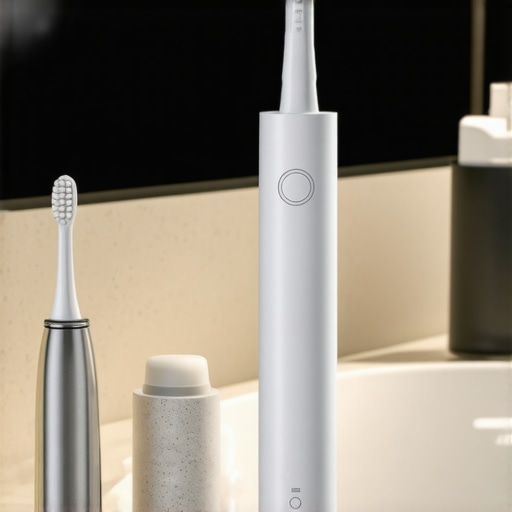
Maintaining optimal oral health requires more than just good intentions; it demands reliable, high-quality tools that make daily routines effective. Personally, I swear by my electric toothbrush, the Oral-B Genius X. Its oscillating-rotating technology, combined with Bluetooth connectivity, keeps track of my brushing habits and ensures I cover every surface thoroughly. Unlike manual brushes, it maintains a consistent motion, which is especially beneficial for those with sensitive gums or limited dexterity.
For flossing, I prefer the WaterFloss Ultra. Its pressurized water jet reaches between teeth and below the gum line without damaging tissues, making flossing both easier and more effective. Regular flossing is essential, but the WaterFloss takes the guesswork out of stubborn areas—trust me, a game-changer for families trying to get kids engaged in their oral hygiene routines.
Why Choose a Professional-Grade Water Flosser?
Because these devices deliver targeted, pulsating streams that dislodge debris and plaque with precision, they bridge the gap between brushing and professional cleanings. I recommend experimenting with different pressure settings to find the sweet spot—comfortable but effective. Incorporate your water flosser into your oral health routine daily, and you’ll notice how much easier it becomes to keep your mouth fresh and healthy.
Utilize Smart Technology for Consistent Care
Another tool I advocate is the Philips Sonicare ExpertClean. Its smart sensors provide real-time feedback, guiding you to maintain proper pressure and coverage. This device reminds me not to brush too aggressively, minimizing gum recession risks. Embracing such intelligent tech ensures your technique improves over time, making each session more productive.
< >
>
Looking ahead, I predict that integration between dental devices and smartphones will become even more sophisticated, offering personalized tips based on your habits. Future tools might even analyze saliva or plaque samples at home, providing early warnings for potential issues—pioneering the way to preventive dentistry. For now, I suggest trying a smart toothbrush or water flosser to elevate your daily routine.
How do I maintain these tools over time?
Regular cleaning of your toothbrush and replacement of brush heads every three months are fundamental. For electronic devices, follow manufacturer instructions for disinfecting and battery care. Storing tools in a dry, ventilated space prevents mold and bacteria buildup. Remember, neglected equipment not only diminishes effectiveness but could introduce new oral health risks.
Incorporate these advanced tools into your regimen, and you’ll find maintaining a healthy smile becomes second nature. Consistency is key—pair your equipment use with regular visits like those recommended at https://periodontistcare.com/maintaining-your-dental-crowns-dos-and-donts-for-best-results, and watch your oral health thrive over the years. Are you ready to upgrade your tools and experience the difference for yourself?
The Hidden Lessons That Took Me Years to Learn
- Never underestimate the importance of daily flossing around crowns; I once thought a smooth crown meant I could skip flossing, but neglecting those tight spaces led to early decay. Realizing this was a game-changer for my dental routine.
- Choosing the right dental tools matters more than I initially thought. Investing in a quality electric toothbrush and a water flosser transformed my cleaning habits, making routine maintenance both easier and more effective.
- Listening to your dentist’s advice about regular checkups can prevent costly repairs. I learned this the hard way when ignoring my six-month cleanings resulted in needing a new crown sooner than expected.
- Understanding the differences between crown materials—like zirconia versus porcelain—has helped me make informed decisions about my dental work, ensuring longevity and natural appearance.
Tools and Resources That Made a Difference
When it comes to maintaining crowns and overall oral health, I rely on trusted tools like the Philips Sonicare ExpertClean for gentle, thorough brushing, and the WaterFloss Ultra for interdental cleaning. These devices are backed by dental professionals and have consistently kept my mouth feeling fresh. You might find that exploring reputable sources such as effective home practices helps refine your routine. Additionally, books like “The Mouth-Body Connection” have provided valuable insights into how oral health impacts overall wellness.
Believe in Your Power to Change Your Smile
Your commitment to consistent oral hygiene can lead to a lifetime of confident, healthy smiles. Small, daily efforts—like proper crown care, regular professional cleanings, and staying informed—make a significant difference. Remember, every step you take today sets the foundation for a brighter, healthier tomorrow. Are you ready to implement these insights and see the transformation in your dental health? Let me know below!
,