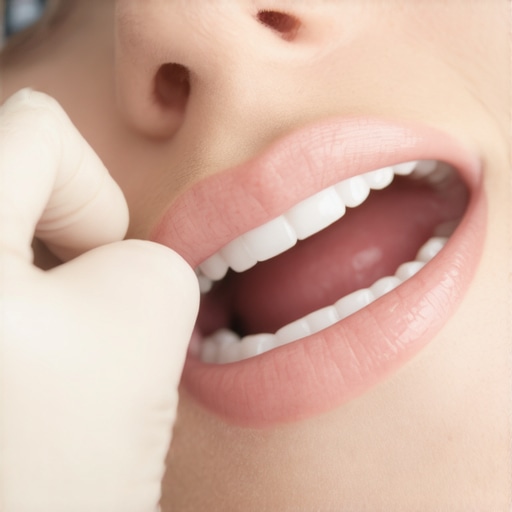
I’ll never forget the moment I looked in the mirror and noticed a dark shadow lurking at the edge of my dental crown. It wasn’t pain, it wasn’t noticeable at first glance, but there it was—a tiny, shadowy gap that made me second-guess my smile. As someone who’s navigated family dentistry and dental care routines for years, I knew this wasn’t just about aesthetics; it was a sign that something needed attention.
Why This Dark Gap Can Become a Big Problem
This little dark space between your gum and crown might seem insignificant—just a shadow, right? But over time, it can trap food, harbor plaque, and even lead to gum irritation or decay if left unaddressed. I learned that ignoring this gap could cause lasting damage, turning a simple fix into a more complicated and costly problem down the line. In fact, research shows that proper maintenance around crowns is crucial for long-term oral health, preventing infections and preserving your natural teeth.
Is Fixing the Gap Really Worth the Effort?
Back when I first faced this issue, I made a mistake many do—I thought it was just a cosmetic annoyance and tried to ignore it. Spoiler: that didn’t work. The gap grew darker, the gum around it became tender, and I worried about potential infections. I realized that addressing this early saves not only money but also unnecessary discomfort. If you’re asking yourself whether this concern is serious enough for action, trust me—when it comes to your oral health, it’s better to be safe than sorry. Curious about how to maintain your crowns effectively? Check out these tips for maintaining crowns to avoid issues like this in the future.
Establish a Daily Oral Care Routine
Start by brushing your teeth at least twice a day with a soft-bristled toothbrush. Use gentle circular motions to clean all surfaces, paying special attention around your crown and gum line. Incorporate flossing into your routine, sliding the floss carefully between the crown and gum to remove trapped debris. For optimal results, consider using an electric toothbrush with a timer to ensure thorough cleaning. Regular brushing prevents plaque buildup, which is essential in avoiding dark gaps and maintaining the integrity of your crown.
Choose the Right Dental Products
Select toothpaste and mouthwash that reinforce enamel and promote gum health. Look for fluoride-rich options and avoid abrasive whitening pastes that can damage your crown or gums. An antimicrobial mouthwash can help reduce bacteria and prevent infections around your dental work. Remember, using the correct products makes a significant difference in prolonging the life of your crown and keeping your smile bright.
Schedule Professional Cleanings Regularly
Book bi-annual appointments with your dentist or periodontist
Professional cleanings remove hardened plaque and tartar that daily brushing might miss. These visits allow your dentist to detect early issues, such as a developing dark gap, before it becomes serious. During cleaning, your dental hygienist will use specialized tools to meticulously clean around your crown and gums, ensuring your oral health is preserved.
Address Issues Promptly During Appointments
If you notice dark shadows, tenderness, or gaps between your crown and gum, bring it up during your visit. Early intervention can involve simple procedures like polishing or reseating the crown, preventing further decay or infection. Don’t wait for discomfort or visible problems—regular check-ups are your best defense against costly dental repairs later.
Increase Focus on Flossing Techniques
Incorporate flossing into your routine daily and master the proper technique—sliding the floss beneath the gum line and around the crown without snapping. A floss threader or interdental brush can reach tricky areas more effectively. Proper flossing dislodges food particles and plaque that cause dark shadows or decay, especially around crowns with hidden spaces.
Use Supplementary Cleaning Tools Wisely
Consider using an interdental brush or water flosser to clean hard-to-reach areas. These tools can supplement your regular brushing and flossing, especially around crowns and bridges. Be cautious to avoid applying excessive force that might loosen the crown or irritate your gums.
Monitor and Maintain Your Gums
Healthy gums are vital for crown longevity. Keep an eye on signs of irritation, swelling, or bleeding. Use a soft brush and avoid aggressive scrubbing that can cause recession or gaps. Incorporate gum massages or gentle flossing to stimulate blood flow and reinforce gum tissue around your dental work.
Adjust Your Diet to Protect Your Smile
Limit sugary and acidic foods that can erode enamel or encourage plaque formation around your crown. Incorporate crunchy fruits, vegetables, and dairy products rich in calcium to strengthen your teeth and gums. Chewing sugarless gum after meals stimulates saliva, which neutralizes acids and washes away food particles.
Incorporate Preventative Habits for Long-Term Success
Stay consistent with these steps daily and attend your dental appointments diligently. Avoid habits like smoking, nail-biting, or using teeth as tools, which can weaken your crown and surrounding tissues. Educate yourself with trusted resources, such as these tips for maintaining crowns, to build a proactive approach toward your oral health. Remember, maintaining a healthy smile is an ongoing process that requires commitment and care.
Many people hold onto misconceptions about oral health that can inadvertently jeopardize their dental well-being. One prevalent myth is that once a crown feels normal, no further maintenance is necessary. In reality, crowns require ongoing attention, including regular professional check-ups and precise home care, to prevent issues like dark gaps or decay. Overlooking this can lead to costly repairs and compromised natural teeth, contradicting the belief that crowns are maintenance-free.
Another misconception is that flossing isn’t essential around crowns. Some assume that brushing suffices because they can’t see plaque buildup. However, neglecting flossing allows plaque and food debris to accumulate between teeth and around crowns, fostering bacteria that cause decay or gum disease. Mastering proper flossing techniques, including the use of interdental brushes, greatly enhances long-term crown health. For advanced tips, check expert advice on crowns and cleaning.
Why Do Many Oversimplify Post-Crown Care, and What’s the Hidden Nuance?
It’s tempting to believe that a crown’s primary purpose is aesthetics, but the truth is that crowns have complex implications for your oral ecosystem. Many underestimate the significance of the underlying gum tissue and how improper cleaning or neglect can lead to marginal gaps or inflammation. The misconception that crowns are ‘forever’ and require no additional effort ignores research showing that crowns can last decades only with diligent maintenance. A study published in the Journal of Prosthetic Dentistry emphasizes that neglecting peri-crown hygiene accelerates wear and the risk of periodontal disease, undermining your investment in dental health.
Misunderstanding the importance of regular family dental visits can lead to overlooked issues. Dental professionals can detect early signs of dark gaps or tissue recession that mere brushing can’t catch. This underscores the importance of routine family dentistry appointments, especially for those with crowns or other restorations.
Be aware of the trap that many fall into: thinking of dental visits only when experiencing pain or visible problems. Proactive check-ups help catch subtle changes before they require extensive treatment. If you’d like to optimize your routine, explore daily oral care routines tailored for long-term success.
Ultimately, the nuanced reality is that oral health is an interconnected system. Neglecting seemingly minor details around crowns or routine cleaning can cause significant damage over time. Understanding this complex interplay helps prevent common pitfalls and preserves your smile’s integrity. Have you ever fallen into this trap? Let me know in the comments and share your experiences.
Maintaining your oral health doesn’t end at home; the right tools and consistent routines ensure your crowns and teeth stay healthy and functional for years to come. Personally, I rely on a combination of high-quality equipment and proven methods to preserve my smile. One game-changer for me has been investing in an electric toothbrush with a timer. Brands like Sonicare or Oral-B offer models with customizable brush settings that gently yet thoroughly clean around crowns, bridges, and gum lines, reducing plaque accumulation and preventing dark gaps. Using such a device ensures I reach every nook, especially in tricky spots that manual brushing often misses.
Complementing my electric toothbrush, I incorporate interdental cleaning with a water flosser like the Waterpik. It’s remarkable how effective water jets are at dislodging food debris and plaque from hard-to-reach areas. I personally prefer models with adjustable pressure controls, so I can be gentle near sensitive areas but vigorous enough to clean thoroughly. These tools have made a noticeable difference in maintaining gum health and prolonging the lifespan of my crowns. For detailed guidance, see these tips for maintaining crowns.
How do I maintain my dental tools over time?
Keeping your equipment clean is critical. I regularly replace brush heads every three months and descale my water flosser as recommended by the manufacturer to prevent bacterial buildup. Sanitizing your toothbrush with a UV sterilizer can further reduce germs and prevent cross-contamination, especially important if you share your bathroom with family members. Proper storage—keeping brushes dry and in a clean area—also extends their effectiveness and lifespan.
Looking ahead, the trend toward intelligent dental devices is growing. Imagine toothbrushes that sync with smartphone apps to monitor your brushing habits or water flossers with built-in sensors that alert you when your technique needs adjustment. These innovations aim to personalize care, making long-term maintenance easier and more effective. If you want to optimize your routine today, try integrating a sonic toothbrush and a water flosser into your daily practice. They’re investments that truly pay off in preserving your dental restorations and natural teeth alike.
For example, using an electric toothbrush with real-time feedback can enhance your cleaning efficacy. Pair that with a quality interdental cleaner, and you’ll address the areas most prone to plaque buildup and dark gaps. Remember, consistency is key; a proper tool isn’t enough if neglected. Take the first step now and explore the latest options—you might be surprised how much easier maintaining your smile can become. For further insights, check out these advanced tips for crown longevity.”}]}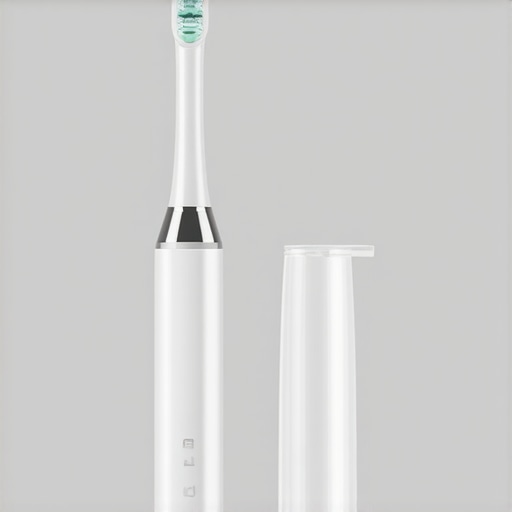 }# Alt: A modern electric toothbrush and water flosser on a bathroom counter, ready for daily use. Title: Essential Oral Hygiene Tools for Long-Term Dental Health.
The Hidden Lessons I Learned About Crowns and Family Dentistry
One of the most eye-opening lessons I encountered was realizing how easily neglected areas around crowns can silently wreak havoc on your oral health. I used to believe that as long as my crown looked good, everything was fine. However, I discovered that small gaps and overlooked cleanings could lead to significant issues over time. The biggest revelation was understanding that consistent, targeted maintenance around crowns is crucial—not just for aesthetics, but for long-term health and confidence.
My Go-To Tools That Keep My Smile Bright
After experimenting with various products, I found that investing in a high-quality electric toothbrush and a reliable water flosser genuinely changed the game. Brands like Sonicare have features that help me reach tricky spots around my crowns effortlessly, reducing plaque buildup and preventing dark gaps. These tools, paired with mindful habits, ensure my dental restorations last longer and my smile stays radiant. I wholeheartedly recommend consulting resources like these tips for maintaining crowns to find what works best for you.
Don’t Wait for Trouble – Act Now
Taking action today can save you from costly repairs tomorrow. Regular self-care combined with professional check-ups allows you to catch early signs of issues like dark shadows or gum recession—problems that are often unnoticeable until they cause discomfort. Embracing proactive habits, such as diligent flossing with interdental brushes and scheduling routine family dentistry appointments, forms the foundation of a resilient, healthy smile. Remember, your oral health is an ongoing story, one that you have the power to write proactively. Curious about how to elevate your routine? Explore these expert strategies for comprehensive care.