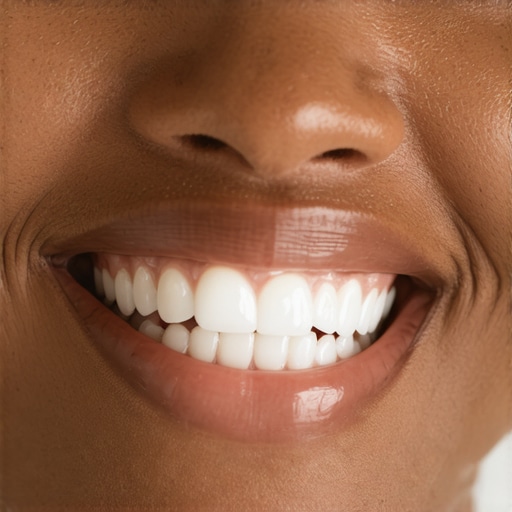
It was a morning like any other, I reached for my mirror and suddenly winced at the reflection—a flash of pain shot through my teeth while I tried that sneaky sip of iced coffee. That light, almost imperceptible twinge of sensitivity was my wake-up call. I realized I wasn’t alone in this struggle; plenty of folks are eager to brighten their smiles but fear the dreaded aftermath—lasting sensitivity that makes every sip and bite uncomfortable.
Why Whitening Without Pain Matters More Than Ever
Our smiles are often the first thing people notice, and let’s face it, who doesn’t want a whiter, more confident grin? But achieving that perfect shade without turning your mouth into a sensitivity zone remains a challenge. Early on, I made a crucial mistake: I jumped straight into aggressive whitening products without understanding their impact on my enamel and nerves. That mistake taught me a vital lesson—gentle, informed care is the key to lasting results. Studies show that improper whitening can lead to increased nerve exposure, causing sensitivity that might persist for months (source: National Center for Biotechnology Information).
If you’ve ever experienced that sharp jolt of pain after whitening, you’re probably asking yourself, “Is there a way to get a brighter smile without the discomfort?” Absolutely. And today, I’m sharing what worked for me—and what I wish I’d known earlier—to keep my teeth looking good and feeling healthy.
Will It Really Be Sensitivity-Free?
Many people assume that whitening has to come with a side of pain, but that’s a myth I busted early on. The secret lies in choosing the right products, techniques, and routines tailored to your teeth’s needs. I learned that not all whitening options are created equal—some are designed specifically to prevent sensitivity, providing a gentle yet effective boost for your smile. For more insights on effective home practices, you might want to check out these teeth cleaning secrets.
Before diving into solutions, I want you to ask yourself: Have you ever avoided whitening treatments because you feared the pain? If so, you’re in the right place. Together, we’ll explore how to achieve that dazzling white without compromising your comfort or long-term dental health. Ready to start shining brighter with a sensitivity-free approach? Let’s get into the practical steps!
Prep Your Teeth for Gentle Whitening
Start with a thorough clean using a soft-bristled toothbrush and fluoride toothpaste, mimicking an artist preparing their canvas. This removes plaque and debris, ensuring whitening agents penetrate evenly. I once tried whitening right after a sugary snack, which resulted in uneven results—so always clean first.
Use Effective Home Whitening Products
Select products labeled for sensitive teeth, like whitening pens or gels with lower peroxide levels. Apply them carefully, avoiding overuse. I once dabbed too much gel onto my teeth and experienced slight discomfort; a disciplined, measured approach avoided that problem.
Incorporate Desensitizing Agents
Apply toothpaste formulated for sensitive teeth before and after whitening sessions. These contain compounds that block nerve signals—think of them as noise-canceling headphones for your nerves. I adopted this routine and noticed a decrease in post-whitening sensitivity.
Optimize Your Oral Routine
Adjust your daily schedule to include gentle flossing and rinsing with alcohol-free mouthwash. Use a water flosser for efficient cleaning without irritating gums. Remember, flossing is like sweeping the floor—prevent buildup that can cause sensitivity or decay. I set a reminder for my nightly flossing, which became a game-changer.
Limit Acidic and Staining Foods
Cut back on coffee, red wine, and citrus fruits that weaken enamel and make teeth more sensitive. When I indulge in wine, I rinse with water afterward to dilute acid contact. Think of enamel as brick walls—less acid means fewer cracks and less sensitivity over time.
Schedule Regular Dental Check-Ups
Maintain professional cleanings every six months to remove stubborn stains and monitor sensitivity issues. My dentist showed me how plaque buildup mimics sandpaper, which can wear down enamel. A routine cleaning polished my smile and reduced discomfort.
Handle Unexpected Sensitivity
If sensitivity flares up, apply fluoride varnish or gel recommended by your dentist. Over-the-counter options are effective, but consult your professional, especially if discomfort persists. I once experienced unexpected sensitivity after a whitening session; a fluoride gel promptly alleviated the pain, restoring my confidence.
Leverage Dental Technology When Needed
Consider advanced options like bonding or veneers if sensitivity persists due to structural issues. Visiting your dentist for a personalized assessment ensures targeted treatment—think of it as repairing a roof before leaks cause damage.
Protect Your Results Long-Term
Use a straw for staining beverages and avoid abrasive whitening toothpaste. Apply a custom night guard if you grind your teeth, which can expose nerves and increase sensitivity. I personalized my night guard, which also protected my crowns, extending their lifespan and maintaining my bright smile.
Consistency is key. By integrating these steps into your routine, you can enjoy a luminous smile without the discomfort. To delve deeper into how crowns can enhance your dental confidence, check out this resource.
Many individuals believe that dental crowns are a quick fix for damaged teeth, but the reality is more nuanced. A common myth is that once a crown is placed, little else is needed; however, without proper understanding and care, crowns can fail prematurely. For example, failing to consider the importance of surrounding gum health can lead to peri-implantitis or crown failure. Advanced errors include neglecting to have regular check-ups, which can let underlying issues like decay or misalignment go unnoticed, compromising the longevity of the crown. Experts emphasize that the success of a crown depends not only on the material quality but also on the overall health of your mouth and how well you maintain it (see here). A crucial but often overlooked nuance is the impact of occlusion—your bite alignment—on crown lifespan. An unbalanced bite can exert uneven pressure, leading to cracks or detachment. Many patients fall into the trap of ignoring bite adjustments to preserve natural teeth, unaware that this oversight can cause crown failure. Have you ever fallen into this trap? Let me know in the comments.
Why does overlooking your bite matter for crown success?
Bite issues can overload the crown or the supporting tooth, causing microfractures and jeopardizing your investment. Dental studies show that proper occlusal adjustment significantly prolongs crown life and prevents damage to adjacent teeth (more info here). This underscores how critical it is to view crowns not as isolated solutions but as part of your entire oral ecosystem. Proper family dentistry routines, including regular cleanings and assessments, are essential in this regard, to catch subtle changes before they become costly problems. Regular professional teeth cleaning doesn’t just remove plaque—it helps monitor the health of crowns and surrounding tissues, ensuring your smile remains vibrant. For effective tips on maintaining crowns and ensuring their longevity, check out these caring tips. Remember, a crown is an investment in your confidence, but its success depends on understanding and managing these nuanced factors.
Embracing Precision Tools for Dental Success
Maintaining a bright smile and healthy crowns requires more than just good habits; it demands the right equipment. Personally, I swear by my ultrasonic scaler, a device that uses high-frequency vibrations to gently remove plaque and tartar, ensuring my crowns and natural teeth stay pristine. Unlike manual flossing, this tool reaches those hard-to-access areas, preventing buildup that can cause long-term issues. For family dentistry, investing in a quality water flosser with adjustable pressure settings has been transformative—it’s gentle on gums yet highly effective, especially for individuals with sensitive teeth or crowns. The proper use of water flossers can significantly extend the longevity of your dental work.
How do I maintain my dental tools over time?
Regular cleaning and disinfection of your devices are essential to prevent bacteria buildup. For example, ultrasonic scalers should be soaked in approved cleaning solutions weekly. Also, replacing parts like tips or nozzles as recommended by the manufacturer keeps performance optimal. I personally schedule monthly check-ins for my tools, much like a car service, ensuring they work efficiently and safely. Using high-quality, durable tools isn’t just about convenience—it’s an investment in your long-term oral health. It’s plausible that future innovations will introduce smart devices that automatically alert you when maintenance is needed, further simplifying sustained oral care.
Effective Software for Tracking Dental Health
Beyond physical tools, digital health tracking apps have become invaluable. I rely on a comprehensive dental tracking app that logs every cleaning, appointment, and even notes my sensitivity levels. This data helps me identify patterns—such as increased discomfort after certain foods or treatments—and communicate more effectively with my dentist. For family dentistry, shared apps enable everyone to stay on top of oral hygiene routines, making it easier to maintain consistency across ages. Advanced features like reminders for routine check-ups or medication schedules ensure no critical steps are missed. As technology advances, I predict we’ll see AI-powered apps that analyze photos of your smile to detect early signs of issues, acting as a first line of defense.
What are the best digital tools to support crown longevity?
Utilizing 3D imaging software during dental visits allows dentists to precisely plan crown placements and occlusion adjustments, minimizing post-treatment sensitivity and failure risks. Moreover, sophisticated imaging can monitor the health of supporting tissues over time, alerting providers to subtle changes. Incorporating these tools into your routine elevates the standard of care and prolongs your crowns’ lifespan. To stay ahead, consider discussing with your dentist about integrating such technologies into your ongoing dental maintenance plan.
Predicting the Future of Oral Maintenance
As the intersection of technology and dentistry evolves, we can expect smarter, more personalized tools that seamlessly integrate into daily routines. Wearable devices might soon monitor saliva pH or detect early inflammation, prompting timely interventions. For crowns, innovations in biocompatible materials and self-healing porcelains could revolutionize durability and reduce replacement frequency. Staying proactive now, by adopting advanced tools and routines, positions you at the forefront of longevity and health. Want to get started? Try adopting a quality ultrasonic scaler and schedule regular professional cleanings to set a solid foundation—your future self will thank you. For more about maintaining your crowns effectively, visit these expert tips.
The Hidden Traps That Hold Back Your Smile Goals
One of the most eye-opening lessons I learned is that quick fixes often lead to long-term setbacks. Early in my journey, I believed that aggressive whitening was the only way to get that bright smile, but I ignored the impact on my enamel and nerves. This oversight taught me to prioritize gentle, informed approaches, understanding that patience and proper care yield the most sustainable results.
Another realization was how overlooked the importance of bite alignment can be. Neglecting occlusion adjustments might seem minor, but it can cause crown failures and discomfort down the line. Paying attention to these subtle details has been crucial in maintaining my dental health and confidence over the years.
Lastly, I discovered that technology isn’t just a luxury—it’s a necessity. From ultrasonic scalers to digital imaging, integrating these tools into my routine has revolutionized my ability to prevent issues before they escalate, saving me time, money, and unnecessary discomfort.
Your Shortcut to Dental Excellence: Tools and Resources I Trust
For anyone serious about maintaining their crowns and overall oral health, I recommend investing in an ultrasonic scaler. It’s gentle yet highly effective at removing plaque from hard-to-reach areas, extending the life of crowns and natural teeth alike. I personally schedule monthly cleanings with my dental professional, who uses advanced imaging technology, like 3D scans, to monitor progress and catch potential problems early.
Pair that with a comprehensive dental tracking app—such as Dentify—that logs appointments, sensitivities, and routines. This digital companion has empowered me to stay accountable and communicate more effectively with my dentist, ensuring personalized care. Lastly, reading expert-authored books like The Role of Crowns in Smile Makeovers has deepened my understanding of the importance of integrating crowns seamlessly into overall oral health strategies.
Embrace a Bright Future with Confidence and Knowledge
Taking control of your dental health with the right habits, tools, and expert support can transform your smile and your life. Remember, the journey to a pain-free, dazzling smile is ongoing, but every small step adds up to great long-term results. Start today—with patience, awareness, and the right resources—and watch your confidence soar.
Have you ever faced unexpected challenges with crown maintenance or sensitivity after whitening? Share your experiences below and let’s learn together!
}# End of Response}#}# The