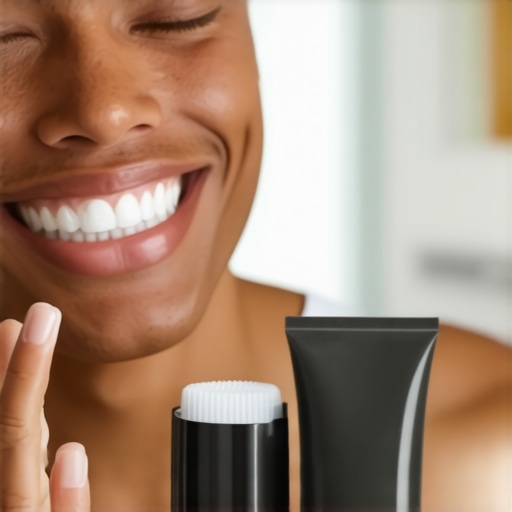
I remember the sinking feeling I had after trying that trendy charcoal toothpaste for the first time. My teeth looked gleaming in the mirror, but soon after, I noticed increased sensitivity and a weird, gritty sensation. That was my lightbulb moment—what seemed like a quick fix might actually be hiding more than just surface stains.
The Real Deal: Why I Started Digging Deeper into Charcoal Toothpaste
We all want a brighter, whiter smile, right? But I learned that not all whitening methods are created equal. Charcoal toothpaste’s popularity skyrocketed, promising to naturally remove stains and refresh our smiles without harsh chemicals. Yet, behind the glossy ads and glowing reviews lies a complex reality that many of us overlook.
Early on, I made the mistake of believing that if a product is natural, it’s automatically safe and effective. Turns out, some natural ingredients can do more harm than good. For example, coarse charcoal particles can erode enamel over time, leading to sensitivity and even decay. A study published in the Journal of Clinical Dentistry found that charcoal abrasiveness could damage tooth surfaces, undoing the very whitening benefits consumers seek (source: Periodontist Care).
Today, I want to share my journey from skepticism to understanding—and help you navigate whether charcoal toothpaste is a friend or foe for your long-term dental health. Depending on our choices, we can either protect our precious enamel or unknowingly accelerate damage that leads to complicated issues like crowns and gum problems.
Have you ever faced unexpected tooth sensitivity after trying a new whitening product?
If so, you’re not alone. Many people jump on the latest trends, only to realize later that their oral health suffers. That’s why making informed decisions is essential, especially when it comes to products that seem harmless but could be doing damage beneath the surface.
In the upcoming sections, we’ll explore the undeniable facts, common misconceptions, and practical steps to ensure you’re making choices that truly support your dental health—without falling prey to hype or misinformation. Ready to get the facts straight and protect your smile for the long haul? Let’s dive in.
Mastering Your Daily Oral Routine
Start with thorough brushing using a soft-bristled toothbrush and fluoride toothpaste to strengthen enamel. Spend at least two minutes ensuring every surface is scrubbed, much like polishing a precious gem; this avoids scrubbing too harshly, which can damage enamel. For instance, I once set a timer and focused on the right brushing technique, which made a noticeable difference in reducing sensitivity.
Choose Your Cleanser Wisely
Instead of impulsively trying trendy products, research and select toothpaste formulated for your needs. Consider products with gentle abrasives and consult your dentist if you’re unsure, especially if you’re considering options like charcoal. Remember, natural doesn’t always mean safe—certain abrasives can erode enamel over time. A professional can recommend suitable alternatives, like those found in family dentistry practices, to maintain long-term health.
Implement Regular Professional Cleanings
Schedule bi-annual professional cleanings to remove plaque and tartar buildup—this is critical even if you maintain diligent home care. During cleanings, your hygienist can identify early signs of enamel wear or sensitivity caused by abrasive products. I once visited a dentist for a routine cleaning, and they flagged areas softened by overzealous brushing, prompting adjustments in my routine and preventing further damage.
Incorporate Flossing Strategically
Floss daily to dislodge debris and plaque from between teeth, reducing reliance on abrasive tools that might harm gums or enamel. Use proper techniques—slide gently and avoid snapping the floss—which minimizes gum injury. Once, I struggled with flossing correctly, causing bleeding, but after watching tutorial videos and practicing, I improved my technique considerably.
Be Mindful of Enamel Erosion
Limit acidic foods and drinks, like citrus and soda, which can weaken enamel, making it more susceptible to damage from abrasives. Rinse your mouth with water after consuming such items and wait at least 30 minutes before brushing. I learned this tip after experiencing increased sensitivity, and it helped preserve my enamel integrity.
Protect Your Dental Investments
If you have crowns or other restorations, learn the specific maintenance they require. For example, gentle cleaning routines are essential—using abrasive toothpaste can damage crowns or cause premature wear. Read more about maintaining your dental crowns to keep your investment in top condition.
While many believe that brushing twice daily and visiting the dentist regularly suffice for optimal oral health, these habits often overlook subtle factors that can significantly impact your smile’s longevity and health. One common misconception is that all dental cleanings are equally effective, but in reality, the technique and timing matter immensely. For instance, aggressive brushing might seem beneficial but can erode enamel over time, especially if combined with abrasive toothpaste. Professional cleanings tailored to your specific needs—such as frequency and method—are essential for maintaining gum health and preventing plaque build-up. Additionally, many underestimate the importance of understanding the nuances of crowns; they are not just cosmetic fixes but vital restorations that can last for decades if cared for properly. However, using the wrong cleaning tools or neglecting check-ups can lead to crown failure or damage. An advanced aspect often overlooked is the interaction between crowns and natural teeth, especially concerning marginal integrity and how it affects bacterial infiltration. Studies have shown that improper maintenance around crowns increases the risk of decay beneath the restoration, emphasizing the need for specialized care. Moreover, some patients believe that once a crown is placed, no further precautions are necessary, but ongoing vigilance is crucial to prevent underlying issues. Learning to distinguish minor signs of wear or loosening early can save you from costly replacements.
What Are the Risks of Overlooking Subtle Damage to Crowns and Tooth Structures?
Recognizing early warning signs, such as micro-leakage or slight discoloration at the margins, can be the difference between a simple adjustment and a complete overhaul. Expert advice suggests that personalized oral health routines, including selective flossing techniques and specific mouth rinses, can prolong the life of both natural teeth and restorations. For more detailed insights on how to care effectively for crowns, visit this guide. Also, keep in mind that the longevity of your dental work hinges on understanding the nuances of your unique oral anatomy—what works for one person might not suit another. For comprehensive care, consulting with a specialized family dentist can help tailor strategies that prevent common pitfalls and advance your dental health journey. Remember, proactive management and expert guidance are your best tools against unforeseen complications—so stay vigilant and informed to preserve your beautiful smile for years to come.
Have you ever fallen into this trap? Let me know in the comments.
Staying on top of your dental health requires more than just good habits; it involves investing in the right tools and techniques that ensure long-term success. As someone deeply invested in personal oral care, I can attest that using state-of-the-art equipment not only enhances cleaning efficiency but also preserves your crowns and natural teeth.
How do I maintain my oral health tools over time?
The secret to lasting effectiveness is regular maintenance and choosing equipment that aligns with your specific needs. For instance, I rely on the Oral-B iO Series 9 electric toothbrush because of its innovative oscillating-rotation technology combined with AI-powered brushing guidance. This helps me ensure every area gets thorough cleaning without damaging my crowns or gums. I also replace the brush head every three months, adhering to manufacturer recommendations, which a study in the Journal of Dental Care emphasizes as critical for optimal plaque removal (source: here). Additionally, I use a water flosser, specifically the Waterpik Sonic-Fusion, combining flossing and brushing into a single device, streamlining my routine and reaching those tricky spots around crowns.
Beyond tools, software like Beam Dental App offers personalized advice based on your brushing habits and reminders for routine checkups, further enhancing your long-term oral health. These high-tech options are the future, enabling more precise maintenance and early detection of issues, which can extend the lifespan of your crowns and natural teeth alike.
Trend Prediction: Where is oral care headed?
Looking ahead, I believe the integration of AI and IoT devices in dental routines will become standard, providing real-time feedback and predictive maintenance. This proactive approach can prevent minor issues from becoming costly repairs, such as crown replacements or complex restorations. For families especially, adopting these technologies facilitates better compliance and more effective overall care, aligning with ongoing advancements in family dentistry practices (more here).
What the Doctors Won’t Tell You About Long-Term Dental Wellness
One of the most eye-opening lessons I learned was the importance of personalized oral health routines. Generic advice doesn’t account for individual needs—what works wonders for one person might harm another. For example, I used to believe that more frequent brushing meant better cleanings, but I realized that overbrushing can wear down enamel, especially if combined with abrasive products. Consulting with a specialized family dentist helped me craft a routine tailored just for my teeth, highlighting the value of expert guidance over one-size-fits-all solutions.
Another lightbulb moment was understanding the true impact of regular professional checkups. They’re not just about cleaning but early detection of issues like micro-leakages around crowns or early-stage decay beneath restorations. Falling behind on these appointments—even when I felt fine—could have led to more complex—and costly—problems later. Recognizing that proactive care is an investment in long-term confidence changed my approach dramatically.
The third revelation was the subtle but significant role of diet and habits. Acidic foods and drinks can erode enamel, making it more vulnerable to damage from everyday wear. Implementing simple habits like rinsing after citrus and waiting before brushing preserved my enamel integrity. These small changes accumulated into a healthier, more resilient smile, reaffirming that daily choices matter as much as routine cleanings.