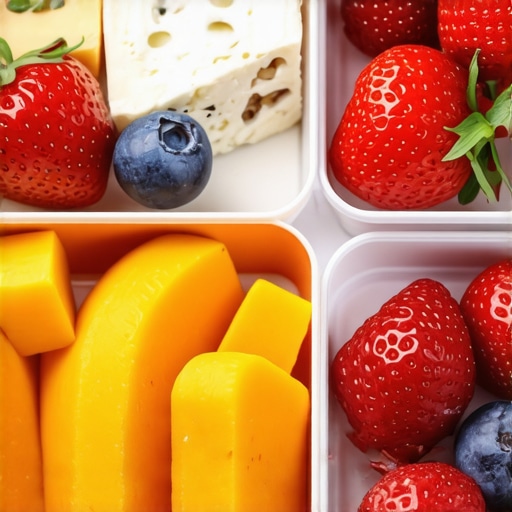
One evening, I watched my little one awkwardly try to bite into an apple, only to grimace and declare, “It hurts my loose tooth!” That moment was my lightbulb moment. I realized how tricky mealtime can be for kids with loose baby teeth—every bite feels like a mini adventure, often ending with frustration or hesitation. As parents, we want to keep mealtime enjoyable and nourishing, but managing loose teeth adds a whole new layer of concern. Wouldn’t it be wonderful to pack foods that are gentle on those wobbly teeth but still packed with nutrients? Well, I’ve been there, and I want to share what I’ve learned about choosing the best foods for these tricky times.
Why Picking the Right Foods Matters More Than Ever
Loose teeth might seem like a minor stage in your child’s dental journey, but ignoring the nuances of their diet can lead to discomfort or accidental injury. Soft, nutritious foods can help your child feel confident during meals and prevent damage to their delicate, wobbly teeth. Interestingly, according to the American Dental Association, proper nutrition supports not only oral health but also overall immunity and development in children. Ensuring the foods we pack are both safe and nourishing becomes a vital step in nurturing healthy smiles.
Are foods like smoothies and yogurt enough to keep my child satisfied?
Early on, I made the mistake of assuming soft foods without considering their nutritional balance. Sure, mashed potatoes and pudding are easy, but missing out on vital vitamins and minerals can hinder growth. It’s about finding a balance—delicious, soft options that provide calcium, vitamin D, and protein. Believe me, with a little creativity, snacks like smoothies made with Greek yogurt, mashed avocado, or soft-cooked veggies can be nutritious and fun. Want to know more about maintaining a comprehensive oral health routine? Check out this guide for daily tips to strengthen those radiant smiles.
Now, let’s dive into some specific foods and strategies that will make both you and your child feel more confident about their snacks and meals during this delicate phase. But first, have you ever faced the challenge of convincing your child to eat soft but nutritious foods? Or worried about causing more damage? If yes, stay tuned—I’ve got practical solutions to share that will turn mealtime into a stress-free experience for everyone involved.
Choose Soft, Nutritious Foods That Support Growth
Start by incorporating foods that are gentle on your child’s wobbly teeth but still rich in essential nutrients. Think of it as creating a protective cushion—just like padding in a shock absorber—that prevents further damage while providing nourishment. During my own experience, I learned to prepare smoothies with Greek yogurt, mashed bananas, and soft-cooked vegetables, which my child loved and benefited from. Blend ingredients thoroughly to ensure no chunks cause discomfort, and experiment with flavor combinations so meals remain appealing. Regularly check their diet to ensure calcium, vitamin D, and protein are adequately supplied, aiding both dental and overall health.
Modify Consistency with Proper Preparation Techniques
Softening Techniques for Better Comfort
Transform tougher foods into easily manageable textures. For example, steam carrots until they’re tender enough to mash with a fork, or peel and cook fruits thoroughly. Grains like rice and pasta should be cooked until very soft—think of them as the ‘sponges’ of nutrition, soaking up healthy flavors without risking irritation. When I first tried this, I found that steaming carrots for an extra 10 minutes made them so soft my toddler could almost suck them from the spoon, significantly reducing their hesitation at mealtime. This approach minimizes the risk of sudden discomfort or injury from hard bites.
Creating Uniform Food Pieces
Cut foods into small, manageable sizes—roughly the size of your child’s fingertip—to avoid unintentional bites that could jeopardize loose teeth. Use a sharp knife or food processor for even chopping. For instance, I learned to dice cooked sweet potatoes into tiny cubes that my child could chew easily, fostering independence and confidence. Uniform pieces also promote safer eating, preventing frustration or accidental injury.
Implement Strategic Serving Methods
Layer Flavors and Textures for Engagement
Arrange meals so that textures change gradually—starting with purees and moving towards slightly firmer foods as comfort increases. Think of it as a journey from velvet to suede, easing your child’s palate. While preparing a lunchtime bowl, I layered mashed avocado with soft-cooked rice and shredded cheese, gradually easing my child into more textured bites over days. This method encourages adaptability without overwhelming their sensitive teeth.
Encourage Slow, Mindful Eating
Teach your child to take small bites and chew slowly, reducing the chance of accidental damage. Demonstrate by modeling slow eating yourself, making it a fun and calm activity. When I was nervous about my child’s eating pace, I found that setting a timer helped them focus on each bite. This not only protects their teeth but also instills good habits for future dental care routines.
Maintain Consistent Oral Hygiene Routines
Integrate gentle cleaning techniques suitable for wobbly teeth—think of it as guiding a delicate flower without damaging its petals. Use a soft-bristled toothbrush and gentle strokes, especially around the loose tooth area. For more tailored advice, I refer to this routine that emphasizes daily, caring oral hygiene practices. Regular cleaning prevents plaque buildup, which can complicate the healing process and promote further dental issues.
Monitor and Adjust as Needed
Observe your child’s response to different foods and techniques, making adjustments to optimize comfort and nutrition. Keep an open dialogue—ask what feels good and what doesn’t. I found that early in the process, my child preferred colder foods, which helped numb discomfort. This adaptability ensures mealtime remains a positive experience, reducing anxiety around eating with loose teeth.
By applying these concrete steps—selecting soft, nutritious meals, preparing foods thoughtfully, serving in manageable sizes, encouraging mindful eating, and maintaining gentle oral hygiene—you turn a challenging phase into an opportunity for healthier habits. Remember, patience and responsiveness are key, and each small victory builds confidence for your child’s ongoing dental journey. Want more insights on preserving your family’s dental health? Explore family dentistry tips to keep everyone’s smile shining bright.Many assume that brushing regularly and visiting the dentist twice a year are enough to maintain optimal oral health, but the truth is far more complex. A common misconception is that all dental restorations, like crowns, are lifetime fixes—yet, many overlook the importance of proper maintenance to ensure longevity. For example, neglecting the specific care instructions post-crown placement, such as avoiding sticky or hard foods, can significantly shorten their lifespan. According to expert insights, understanding the nuances of your dental restoration is crucial for long-term success. Similarly, many underestimate how critical it is to tailor teeth cleaning routines to individual needs; what works for one patient might be ineffective or even harmful for another. For instance, someone with sensitive gums might need a special soft-bristled brush or specific techniques, which are often overlooked. Moreover, there’s a widespread myth that professional cleanings alone suffice for complete oral health, but in reality, effective home care practices are equally vital. Integrating routine flossing with proper technique reduces plaque accumulation more efficiently and prevents gingivitis, especially around crowns and bridges where bacteria tend to hide. Curious about how family dentistry can go beyond basic checkups? Explore this detailed guide to comprehensive care tailored for all ages. Another overlooked aspect is the subtle difference between routine cleaning procedures and targeted plaque removal; the latter is key in preventing periodontal disease. Many think that a quick polish is sufficient, but specialists emphasize the importance of thorough scaling which can be compromised during rushed visits. Did you know that improper technique during teeth cleaning can cause micro-abrasions that make enamel more susceptible to decay? It’s a fine line that many don’t realize. Additionally, some patients believe that crowns do not require special attention, yet they are just as vulnerable to decay if oral hygiene isn’t adjusted accordingly. Regular professional advice can guide the best practices specific to crowns, including using interdental brushes or water flossers effectively. Overlooking these details can lead to costly repairs or replacements down the line. Keep in mind that each aspect of dental care, from choosing the right toothpaste for sensitive teeth to scheduling professional cleanings, plays a role in your overall health. Do you want to explore more about avoiding common pitfalls with crowns or family dentistry? Visit this article for in-depth insights. Remember, mastering the subtle nuances in your dental routine not only preserves your smile but also prevents major issues. Have you ever fallen into this trap? Let me know in the comments.
How do I maintain my dental tools and routines for lasting results?
Maintaining your oral health routine and tools is essential for long-term success, especially with crowns, implants, or regular family checkups. I personally swear by using a water flosser like the Waterpik Water Flosser. Unlike traditional floss, it reaches deep into periodontal pockets and around crowns, flushing away plaque and preventing gum disease. I incorporate it into my daily routine after brushing, which ensures no hidden plaque lingers in hard-to-reach spots. As dental technology advances, I also recommend using an ultrasonic toothbrush such as the Sonicare DiamondClean, known for its superior plaque removal capabilities and gentle cleaning action, particularly vital around restorations. In this way, I uphold effective cleaning without risking damage to delicate crowns or fillings.
Another key aspect is regularly replacing your toothbrush or brush head. Dentists suggest every three months or sooner if bristles appear frayed. This not only guarantees optimal cleaning but also prevents bacteria buildup. For individuals with sensitive gums or worn restorations, I suggest trying a soft-bristled brush, which I personally find gentler yet effective. Additionally, using customized toothpaste for your specific needs—like those formulated for sensitivity or whitening—can enhance long-term results. I favor this approach for its targeted benefits and use it alongside routine professional cleanings.
What future trends will shape effective long-term dental maintenance?
Looking ahead, I see the integration of AI-driven diagnostics and smart devices transforming oral care. Biometric sensors embedded in toothbrushes or flossers could monitor plaque levels and alert you when to replace tools or schedule appointments, making maintenance more personalized and proactive. For example, apps connected to these devices might suggest adjusted techniques based on your unique oral microbiome, as evidenced by recent studies on digital health integration. This evolution emphasizes the importance of embracing cutting-edge technology to optimize our routines and prevent issues before they escalate.
To enjoy the maximum benefit, I recommend adopting advanced tools like ultrasonic toothbrushes or water flossers now and pairing them with daily habits reinforced by professional guidance. Regularly reviewing your maintenance plan ensures it adapts to your evolving needs, keeping your smile healthy for years to come. For more comprehensive tips on routine care and professional recommendations, check out this detailed guide. Try incorporating a water flosser into your daily routine today, and experience firsthand how it makes a difference.
What No One Tells You About Caring for Loose Teeth
One of the biggest realizations I had was that patience truly is a virtue when managing loose teeth. I learned that rushing the process or ignoring minor discomfort can lead to setbacks. The delicate balance between encouraging independence and providing safety requires intuition and experience—something that only comes with navigating these moments firsthand. Embracing a gentle approach, from soft foods to careful cleaning, turned what I once saw as a challenge into an opportunity for bonding and education.
Tools and Resources That Transformed My Approach
Over time, I discovered that having the right tools makes all the difference. A soft-bristled toothbrush tailored for sensitive gums, a water flosser for thorough yet gentle cleaning, and a trusted guide to understanding dental development created a solid foundation. I swear by this comprehensive resource for maintaining crowns, which surprisingly shares many practical tips applicable during the loose tooth phase. It helped me see the bigger picture—how everyday routines influence long-term success.
Feeling Empowered to Keep Smiles Healthy
The most profound lesson is that proactive care and informed choices can turn fears into confidence. Knowing that I was actively supporting my child’s budding smile, even during uncomfortable phases, inspired me. The journey taught me that every small step—like adjusting food textures, gentle brushing, and patience—adds up to a healthy, resilient smile. If you’re wondering where to start or how to make mealtime less stressful, I encourage you to explore this article for actionable tips that genuinely make a difference.
Remember, the lessons learned through these experiences aren’t just about dental health—they’re about nurturing trust and confidence in your child’s ability to care for themselves. Do you have a story about managing your child’s loose teeth that taught you something unexpected? Share your insights below—I’d love to hear your journey of discovery and growth.