I vividly remember the day I got my dental crown. It was supposed to be a quick fix to restore my damaged tooth, but I didn’t anticipate the sudden chaos it would cause in my eating habits. The first bite of my favorite sandwich felt awkward, almost painful, and I was faced with a surprising realization: my diet needed a serious rethink. That moment was a lightbulb for me—understanding what foods to enjoy and avoid post-crown can make or break your recovery, comfort, and even the lifespan of the restoration itself.
Why Food Choices Matter After a Dental Crown
When you receive a dental crown, your mouth is in a delicate state. The new crown needs time to settle and bond securely to your tooth. Eating the wrong foods too soon can cause discomfort, disrupt the bonding process, or even damage the crown. Trust me, early missteps are common. I once tried to nibble some popcorn right after my appointment—big mistake. It caused sensitivity and delayed my full recovery. This is why understanding and choosing the right foods isn’t just about comfort; it’s about the health of your smile.
Is It Really Worth Being Careful About Food?
Absolutely. Early eating habits directly influence how well your crown sticks, how long it lasts, and your overall oral health. I used to think I could just return to my normal diet in a day or two, but I learned the hard way that patience pays off. Proper nutrition during this period can also prevent complications like chips or cracks, which could lead to more costly dental work. To avoid making the same mistakes, I consulted my dentist and researched extensively, discovering that a balanced, soft-food diet is the key to smooth healing. For more expert advice, check out this insightful resource.
Now, let’s dive into what foods you should embrace and which to steer clear of during this crucial recovery phase. But first, have you ever experienced discomfort or doubts about what to eat after a crown? If so, you’re not alone—many face this challenge, and knowing the right moves can make all the difference. Ready to discover the best foods for your new dental crown? Let’s get started.
.
Start with Gentle Cleanup
My first move after getting my crown was to adjust my brushing technique. Instead of scrubbing vigorously, I used a soft-bristled toothbrush and gentle circular motions, much like tuning a delicate instrument. This method prevented irritation and helped maintain the bond integrity. To make this routine effective, replace your regular brush with one designed for sensitive teeth and brush at a 45-degree angle along the gumline. Regular gentle brushing ensures you remove plaque without jeopardizing your crown’s stability.
Prioritize Soft-Meal Nutrition
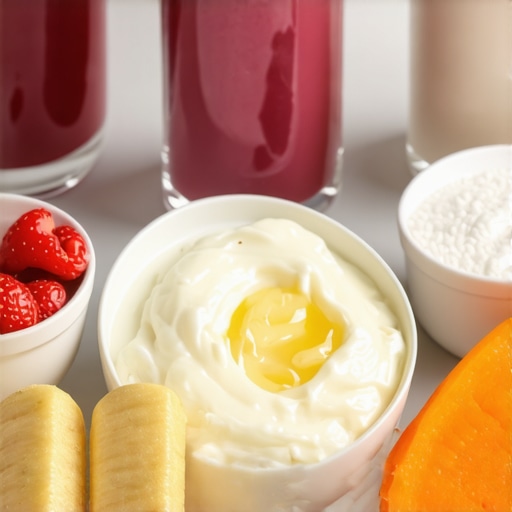
During my initial days, I relied heavily on smoothies and mashed foods, resembling the way you’d handle fragile glass—precise and careful. This approach reduces undue stress on the new crown. Avoid hard, sticky, or crunchy foods that can chip or dislodge it. Always cut foods into small, manageable bites. For example, when I had roasted vegetables, I avoided biting into large pieces and opted for smaller, softer portions—this significantly lessened discomfort and protected my restoration.
Incorporate Proper Flossing Techniques
Using floss around a crown can be tricky. I learned to slide the floss gently under the edge of the crown without forcing it, akin to threading a delicate needle. Use a waxed floss or special floss with a stiff end to guide it beneath the crown margin. Avoid snapping or forcing the floss, which might loosen the crown or damage gum tissue. This careful method prevents food debris accumulation that can lead to decay or gum disease, sustaining your oral health.
Choose the Right Oral Hygiene Products
Opt for toothpaste formulated for sensitive teeth—these contain mild abrasives that clean without scratching. I personally switched to a non-foaming, gentle gel, which I applied with a soft brush for a thorough yet gentle clean. Rinse with an alcohol-free mouthwash to reduce irritation. These choices help maintain the health of your gums surrounding the crown, reducing inflammation and prolonging the crown’s lifespan.
Schedule Regular Professional Cleanings
Though brushing and flossing are essential, professional cleanings are the backbone of long-term crown health. I scheduled appointments every six months, much like clockwork. During my visits, the hygienist used ultrasonics to remove tartar meticulously, akin to a sculptor chiseling excess material from a masterpiece. This prevents plaque buildup that can compromise your crown and underlying tooth integrity.
Stay Alert for Signs of Trouble
Pay attention to persistent sensitivity, discomfort, or food getting trapped around the crown. I once ignored a slight discomfort, which led to a minor decay developing beneath the crown. Recognizing early signs allows for prompt intervention—similar to catching a small crack before it becomes a fracture. Contact your dentist promptly at their office if you notice any issues. Regular check-ups are your best defense against future complications and will ensure your oral health stays on the right track.
Most people assume that a thorough brushing once or twice daily suffices for optimal oral health. However, this oversimplification overlooks nuanced aspects like proper technique, timing, and supplementary practices that genuinely make a difference. For instance, many believe that harder brushing cleans better, but in reality, aggressive brushing can damage enamel and gums, accelerating recession and sensitivity. A soft-bristled brush combined with gentle circular motions often yields superior results, safeguarding your teeth while removing plaque effectively. Remember, effectiveness often depends more on technique than brute force.
Common Misconceptions About Crowns and Their Maintenance
There’s a prevailing myth that once a crown is cemented, it requires minimal care—think of it as a set-it-and-forget-it scenario. On the contrary, crowns are susceptible to decay at the margins if oral hygiene isn’t meticulously maintained. Many neglect to use special floss or avoid certain foods, risking chipping or loosening. An overlooked mistake is assuming that crowns are invincible; recent studies corroborate that crowns, when properly cared for, can last over a decade, but neglecting routine check-ups or poor hygiene significantly shortens their lifespan. For more insights on extending your crowns’ durability, check out this guide.
Family Dentistry: Are We Missing the Point?
Many think of family dentistry as just a convenient way to get everyone in the same place. While convenience is valuable, the deeper advantage lies in establishing a consistent, personalized approach to oral health that adapts to each family member’s needs. A common trap is underestimating the importance of early preventive visits for children, which shape lifelong habits. Furthermore, dismissing the significance of comprehensive screenings can lead to overlooked issues like early decay or misaligned teeth. Emphasizing preventive care not only saves money in the long run but also builds a foundation for healthier smiles across generations. Learn more about this approach at this resource.
Are There Hidden Dangers in Routine Oral Hygiene?
Absolutely. Many unknowingly fall into pitfalls like overusing mouthwash containing alcohol, which can irritate tissues and disrupt the natural microbiome. Another overlooked mistake is flossing improperly—forcing floss under the gum line or using non-flavored, stiff floss can cause recession or bleeding. There’s also a tendency to ignore the significance of proper tongue cleaning, which can harbor bacteria contributing to bad breath and even systemic issues. Scientific research indicates that neglecting these nuances can compromise overall health; a study published in the Journal of Periodontology highlights how neglected oral hygiene is linked to cardiovascular risks. For practical tips, visit this detailed advice.
Understanding these hidden nuances helps avoid common pitfalls that undermine oral health efforts. Remember, small adjustments—like gentle brushing, using proper flossing techniques, and scheduling routine checkups—can yield significant long-term benefits. Have you ever fallen into this trap? Let me know in the comments.
,
Keeping It Working: Tools and Techniques for Long-Term Smile Wellness
Maintaining a healthy, confident smile doesn’t rely solely on good habits; having the right tools makes all the difference. After years of personal experience and professional advice, I’ve found that investing in specific equipment and following proven methods can significantly extend the lifespan of crowns, improve overall family oral health, and simplify your routine. Today, I want to share the tools I personally rely on and how they help me stay ahead in my dental health journey.
Why I Trust an Electric Toothbrush with Advanced Features
Traditional brushing is effective, but I’ve transitioned to using an electric toothbrush equipped with multiple modes—including a sensitive setting and a pressure sensor. The oscillating-rotating head provides a more thorough clean, reaching deep between teeth and along the gumline, which is crucial for those with crowns and family members with varying needs. I personally prefer models that have a built-in timer—like the Oral-B Genius series—ensuring I brush for the dentist-recommended two minutes. Regular use of such brushes reduces plaque buildup and prevents gum inflammation, helping my crowns last longer and supporting overall oral health.
The Power of a Sonic Flossing Option
Flossing is often overlooked or performed incorrectly. I suggest using a water flosser with sonic technology, such as the Waterpik Sonic-Fusion, which combines traditional flossing with pulsating water streams. This method is gentler yet more effective at removing debris and plaque—especially around crowns and bridges—than manual flossing. The water flosser also doubles as a massager for gums, promoting circulation and reducing bleeding. In my routine, incorporating this tool has prevented many minor issues from escalating into major problems, saving time and preventing costly dental visits.
How My Ultrasonic Scaler Keeps My Family’s Teeth Healthy
Professional tools are irreplaceable for deep cleaning and maintenance. At home, I use an ultrasonic toothbrush head designed for daily use, which helps break down tartar and biofilm accumulation. For professional cleanings, I trust ultrasonic scalers, which emit high-frequency vibrations to efficiently remove hardened plaque without damaging enamel or delicate crown margins. Dentists increasingly prefer ultrasonic tools for their safety and efficacy, and I recommend scheduling regular sessions with a dental hygienist to keep those hard-to-reach spots pristine. For comprehensive information, check out this insightful article.
How do I maintain these tools over time?
Proper maintenance prolongs their effectiveness. I rinse my electric toothbrush head thoroughly after each use, replace it every three months, and store it in a dry, open area. The water flosser’s tip is sanitized weekly in boiling water, and the device itself is cleaned with a damp cloth periodically. Ultrasonic scalers are professional-grade equipment, but for home use, replacing ultrasonic toothbrush heads every three months is essential. Staying disciplined about cleaning and replacing your tools ensures you’re always working with optimal performance, which directly impacts your long-term oral health.
Looking ahead, I believe the future of dental maintenance will integrate smart technology—think AI-powered brushes that adapt to your specific needs, or apps that alert you when a tool needs replacing. Embracing these innovations today can give you a head start in maintaining perfect oral health. For example, pairing a smart toothbrush with an app that analyzes brushing patterns can enhance technique and coverage, as supported by recent studies in dental tech evolution. Try integrating a smart cleaning device into your routine and see the difference it can make, especially if you’re managing crowns or caring for family members.
Remember, quality tools paired with proper technique are the backbone of sustaining your dental investments and ensuring a lifetime of confident smiles. If you’re eager to elevate your routine, start with a quality electric toothbrush with multiple modes, and don’t forget the water flosser—these are game-changers in effective home care. For more advanced tips, I recommend reviewing this comprehensive guide.
What I Wish I Knew Before My First Crown Experience
- I underestimated how critical soft food and gentle techniques were, believing I could jump back to my normal routine quickly—learning patience made all the difference.
- I ignored early signs of discomfort, thinking they would pass—prompt attention saved me from a more costly and painful complication.
- I thought regular brushing was enough, but proper flossing and professional cleanings were game-changers for crown longevity and family dental health.
- Skipping routine checkups might seem convenient, but regular professional visits are essential to catch issues before they worsen—investing in prevention is saving me money and pain long-term.
- Understanding the subtle cues your mouth gives you, like sensitivity or trapped food, helps prevent minor issues from escalating into major problems—listening to these signals is vital.
The Hidden Gems in My Dental Toolkit
- An electric toothbrush with sensitive modes and a pressure sensor—personalized cleaning that’s both gentle and effective, especially around crowns.
- A quality water flosser with sonic technology—removes debris more thoroughly and supports gum health better than traditional flossing.
- An ultrasonic scaler for professional cleanings—proven to remove plaque efficiently without damaging delicate crown margins.
- Educational resources like expert advice about crowns—empowering me to make informed decisions and care for my smile confidently.
Your Smile Journey Starts Now
Taking charge of your dental health, especially after getting a crown, is a transformative step toward a lifetime of confidence. Remember, the right habits combined with trusted tools not only preserve your beautiful smile but also brighten your overall quality of life. Believe in the process, be patient with your progress, and don’t hesitate to reach out to your dentist for guidance. A healthier, happier smile is within your grasp—start today, and watch your confidence grow!
What’s the biggest lesson you’ve learned about caring for your dental crowns or family dental health? Share below—I love hearing your stories and tips!
,